



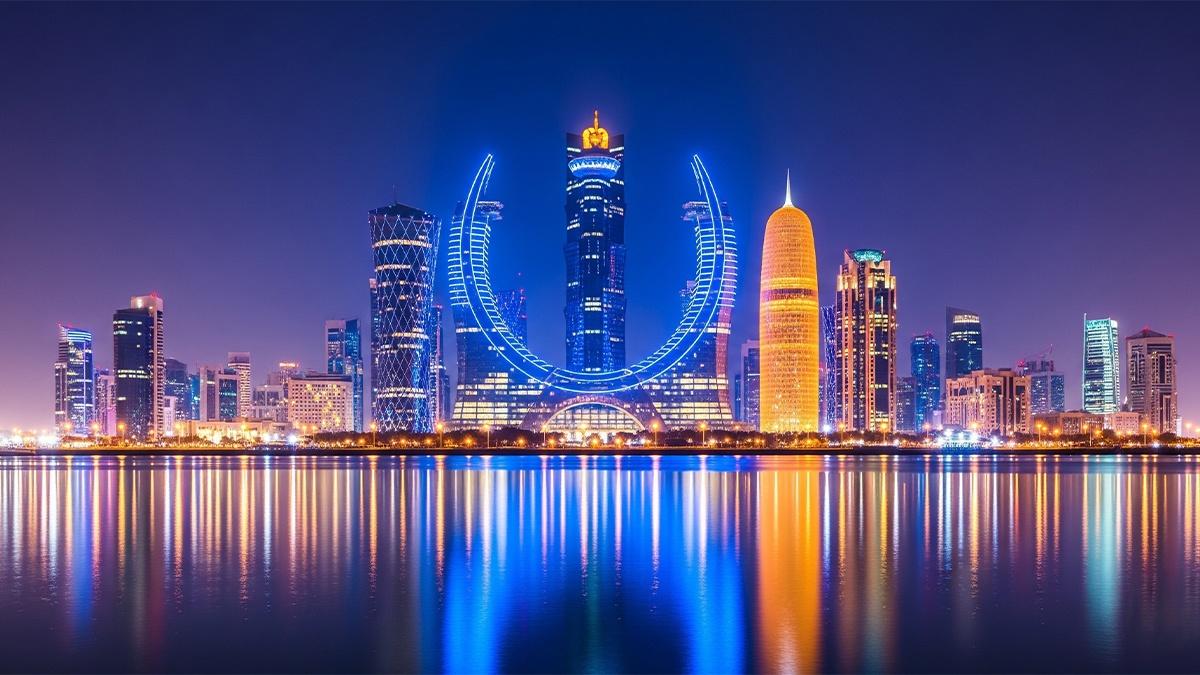
The National Planning Council (NPC) has announced the findings of the 2026 IMD World Competitiveness Yearbook, which places Qatar among the world’s top five most economically resilient countries and confirms its leading position regionally across key performance indicators.
The report highlights Qatar’s strong results across economic, business, institutional, and social dimensions, reflecting continued progress under the Third National Development Strategy and Qatar National Vision 2030.
Speaking on the findings, HE Dr Abdulaziz bin Nasser bin Mubarak Al Khalifa, Secretary General of the National Planning Council, said the results demonstrate the strength of Qatar’s economic foundations and the effectiveness of its long-term development planning. He noted that achieving such outcomes amid regional and global challenges reflects years of strategic investment that have strengthened the country’s ability to withstand external pressures while continuing to advance national development goals, expand opportunities, and reinforce Qatar’s role as a trusted global partner.
According to the report, Qatar recorded top global rankings in several key areas, including balance of trade performance, while also registering some of the lowest rates of unemployment, youth unemployment, and long-term unemployment worldwide. The country also maintained one of the highest levels of national savings globally, further supporting its classification among the most resilient economies.
Qatar also emerged as one of the world’s most competitive environments for both individuals and businesses. It ranked first regionally and globally in the absence of personal income tax, consumption tax, capital and property taxes, and social security contributions. The country additionally ranked first regionally and fourth globally in entrepreneurship, while leading the region in labour productivity, disposable income, banking sector assets, sovereign credit ratings, and the strength of small and medium-sized enterprises.
The report further underscores Qatar’s strong infrastructure base, noting leading regional and global positions in several sectors. It ranked first regionally and second globally for energy infrastructure, first regionally and third globally for health infrastructure, and first regionally and sixth globally for overall quality of life. These outcomes are supported by a safe and stable society, with Qatar also ranking first regionally and fifth globally in the effectiveness of its justice system, alongside recording the second-lowest homicide rate worldwide.
Officials said these achievements reflect the cumulative impact of sustained investment in infrastructure, public services, and institutional development, all of which continue to enhance economic competitiveness and quality of life in the country.
The IMD World Competitiveness Yearbook, published annually by the International Institute for Management Development (IMD), evaluates global economies based on economic performance, government efficiency, business efficiency, and infrastructure.





.webp?w=1920&q=100)

.jpeg?w=1920&q=100)
.jpg?w=1920&q=100)

.jpg?w=1920&q=100)
.jpg?w=1920&q=100)

.jpg?w=1920&q=100)
.jpg?w=1920&q=100)