



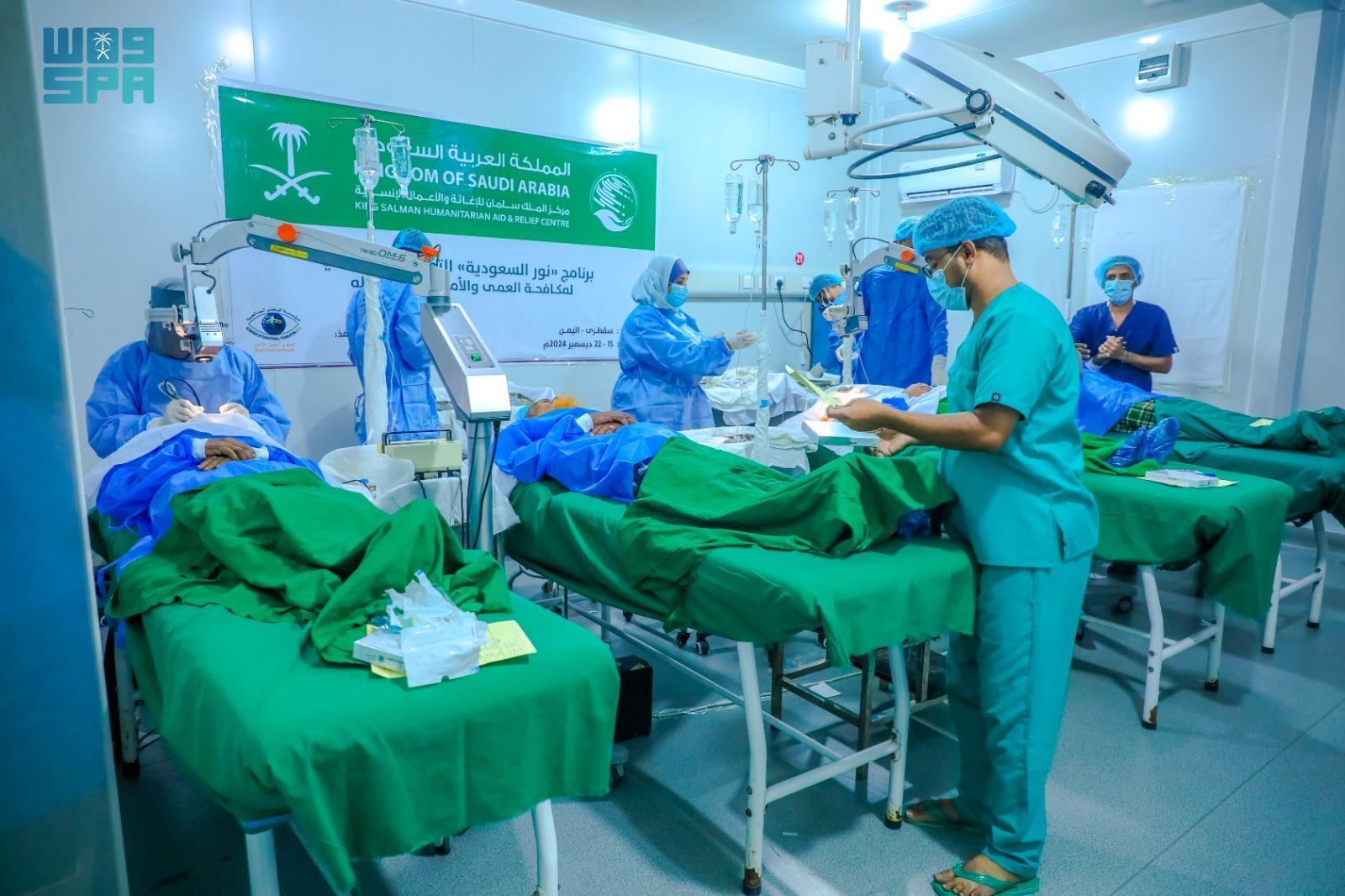
Hosting parents or relatives in Saudi Arabia requires some preparation, particularly when it comes to medical care. An unexpected illness or injury can leave families trying to arrange treatment while also dealing with insurance approvals and hospital expenses.
Checking the visitor’s insurance in advance can make that process easier. Families should know when the policy is valid, what it covers, how to contact the insurer and where to seek assistance if a claim is rejected.
Medical insurance is required under Saudi Arabia’s visit visa arrangements. However, visitor policies are primarily intended for emergencies. Coverage remains subject to the policy’s conditions, exclusions and financial limits, so families should not assume that every medical expense will be paid.
First, Confirm the Policy Is Valid
Before the visitor travels—or shortly after arrival—check that their insurance is active and that the recorded information matches their passport.
The Saudi Insurance Authority’s Visit Visa Travel Insurance Inquiry service allows visitors to verify their insurance status, validity and policy details using the passport number associated with the visa. (ia.gov.sa)
To complete the check:
- Go to the Saudi Insurance Authority website.
- Locate Visit Visa Travel Insurance Inquiry in the electronic services directory.
- Open the service using the start option.
- Enter the passport number used for the visa.
- Follow any verification or consent instructions shown.
- Submit the inquiry and check the information returned.
Review the visitor’s personal details and insurance dates. If the policy does not appear, or any information is incorrect, ask the insurance company to investigate.
Keep the inquiry result, policy document, policy number and insurer’s contact details on your phone. A printed copy can also be useful. Make sure another family member can access this information if necessary.
Understand the Benefits Before Treatment Is Needed
Visitor insurance mainly provides protection against urgent medical expenses. It should not be relied on as automatic coverage for routine consultations, planned procedures or regular prescriptions.
Emergency medical treatment: The policy covers eligible emergency care up to an overall limit of SAR 100,000, subject to its terms and conditions.
Emergency dental treatment: Urgent dental care is covered up to SAR 500 during the policy period.
Emergency pregnancy and childbirth: Eligible emergency expenses related to pregnancy and delivery are covered up to SAR 5,000 during the policy period.
Emergency dialysis: Emergency dialysis expenses are covered up to the maximum applicable benefit stated in the visitor’s insurance policy.
An emergency involves a medical situation that requires prompt intervention, such as an urgent illness or injury. The medical circumstances and policy wording determine whether particular expenses qualify.
The overall limit does not replace the smaller limits attached to individual benefits. Emergency dental treatment, for example, remains subject to the SAR 500 cap even when the policy’s overall maximum is higher.
Likewise, emergency pregnancy and childbirth benefits do not provide an unrestricted promise to pay for routine pregnancy appointments or planned delivery expenses. Coverage for emergency dialysis should not be interpreted as confirmation that every scheduled dialysis session is included.
Read the benefits schedule, exclusions and conditions carefully. Ask the insurer to explain anything that is unclear before the visitor needs treatment.
Discuss Existing Illnesses With the Insurer
A visitor who already has diabetes, heart disease, kidney problems or another medical condition should answer all requested health questions accurately.
The Insurance Authority advises applicants to disclose the illnesses and conditions requested in the medical disclosure form, allowing pricing and healthcare benefits to be assessed appropriately. (ia.gov.sa)
Before arranging travel for an elderly parent or someone with a chronic illness, ask the insurer:
- Does the policy cover sudden complications linked to the existing condition?
- Are regular medical appointments, tests or medicines included?
- Are there exclusions or restrictions affecting that condition?
- Does the company need additional medical reports or information?
Where possible, obtain the answers in writing. Disclosing a condition does not, by itself, guarantee coverage for every related treatment.
The visitor should also bring recent medical reports, current prescriptions and a list of regularly used medicines. Include the medicine names, doses and any known allergies.
Identify Suitable Hospitals in Advance
Ask the insurer which hospitals and clinics accept the visitor’s policy. Confirm how treatment approval is requested and whether eligible bills can be settled directly between the provider and the insurance company.
Save the details of nearby approved facilities. If treatment can safely be organised beforehand, check that the hospital accepts the policy and ask whether the patient must pay any charges personally.
Do not assume that an expatriate’s workplace insurance also covers visiting family members. According to the Insurance Authority, employers are not required to insure an employee’s spouse or children who enter Saudi Arabia on visit visas; those visitors are subject to their visitor policy. (ia.gov.sa)
When an Emergency Occurs, Arrange Medical Help Immediately
Urgent medical assistance should come first. Searching for documents or waiting for an insurance response must not delay a call for help in a serious emergency.
For Saudi Red Crescent ambulance assistance, dial 997. Provide the patient’s exact location, describe the situation and follow the dispatcher’s directions. Ambulance assistance can also be requested through the authority’s Asefni application. (srca.org.sa)
At the hospital:
- Explain the patient’s visa status. Tell staff that the patient is visiting Saudi Arabia and holds visitor medical insurance.
- Supply the relevant details. Provide the passport, visit visa, insurance policy number and insurer’s information when available.
- Contact the hospital’s insurance desk. Ask staff to communicate with the insurer and explain any approval requirements.
- Save insurance decisions. Retain approval messages, rejection notices and reference numbers.
- Collect the medical paperwork. Keep reports, prescriptions, admission records, invoices and payment receipts.
If another person handles these tasks, ensure they use the visitor’s correct passport and policy details.
If the Insurer Refuses to Pay
An insurer may decline a claim because it considers the treatment outside the policy’s coverage or for another stated reason. Before challenging the decision, find out exactly why it was made.
Ask the hospital or insurance company for an explanation. Request a written rejection and identify the policy clause or exclusion used to support it.
Then approach the insurer’s claims or complaints department:
- Give the visitor’s name, passport information and policy number.
- Provide the hospital name, treatment date and claim reference.
- Explain why you believe the expenses qualify for coverage.
- Submit medical reports and other relevant evidence.
- Ask whether any documents are missing and request a review.
- Retain the complaint number and copies of your communications.
Keep a record of telephone calls, including dates and the responses received. If the insurer does not resolve the dispute, the matter can be referred to the Saudi Insurance Authority.
Taking the Complaint to the Insurance Authority
The Insurance Authority accepts electronic complaints from insured persons and other parties involved in an insurance relationship. The service is available to Saudi citizens, residents and foreigners. (ia.gov.sa)
Follow these steps:
- Open the Insurance Authority website and find Complaint Against an Insurance Company.
- Choose Start Service.
- Log in through Nafath, or register using the available account-creation option.
- Continue to the complaint area and select Submit a Complaint.
- Complete the requested insurance sector and company information.
- Specify whether you are submitting the complaint for yourself or representing another person.
- Describe what happened, including treatment dates, the insurer’s decision and the result you are seeking.
- State whether you previously complained to the company and enter its complaint reference number, if available.
- Attach the documents relevant to the dispute.
- Check the information for accuracy before submitting.
- Keep the confirmation and complaint reference number for follow-up.
Complete all mandatory personal details and provide the supporting information relevant to your case. Incorrect entries or missing evidence may make the complaint more difficult to assess.
For assistance, the Insurance Authority lists the toll-free number 800 124 0551. (ia.gov.sa)
An official complaint allows the dispute to be reviewed, but it does not guarantee that the insurer will be required to cover the expenses.
Claiming Back Expenses You Have Already Paid
If you paid the hospital directly, preserve all invoices, receipts, medical reports and discharge documents.
Ask the insurer whether the expenses are eligible for reimbursement. Request its claim form and confirm the submission method, required documents and applicable deadline.
Submit the complete claim and keep a copy of everything sent. The visitor policy identifies medical evidence, identity and coverage details, and proof of payment among the documents that may be required to support a claim. (chi.gov.sa)
If reimbursement is declined, request the reason in writing and use the company’s complaint procedure. An unresolved disagreement can then be submitted to the Insurance Authority with the supporting documents.
Repayment depends on the policy and the circumstances of the treatment. Paying a medical bill yourself does not automatically establish a right to reimbursement.
Keep a Complete Record of the Case
Store the following documents together in a secure folder:
- The visitor’s passport and visit visa.
- The insurance policy and online validity-check result.
- Hospital admission and discharge records.
- Medical reports and prescriptions.
- Insurance approval and rejection messages.
- Itemised invoices and payment receipts.
- Claim and complaint reference numbers.
- Communications with the hospital and insurer.
- Ambulance or emergency records, where available.
Preserve the originals and make digital copies. Keep both invoices and receipts: an invoice shows the charges, while a receipt provides evidence that payment was made.
These records help the hospital identify the policy, support the insurer’s assessment and provide evidence if a complaint becomes necessary.
Additional Preparation for Visiting Parents
Families bringing older relatives should pay particular attention to existing health conditions and policy restrictions.
Before travel, review the benefits and exclusions with the insurer. Prepare a medical summary, collect current prescriptions and keep an updated medicine list. A family member should know the visitor’s medical history and how to access the documents.
If the visitor extends their stay, check the insurance expiry date again. Ask the insurer whether the policy needs to be extended or replaced. Do not assume that the insurance period is identical to the visa’s validity.
Preparation can save time when an unexpected illness occurs. Confirm the insurance before the visit, seek medical assistance promptly during an emergency and keep the evidence needed for claims or complaints afterward.
Note: Actual coverage depends on the visitor’s individual policy, medical circumstances, exclusions and benefit limits. Refer to the policy document and ask the insurer for clarification about any uncertain benefit.
Emergency dialysis: Emergency dialysis expenses are covered up to the maximum applicable benefit stated in the visitor’s insurance policy.


.webp?w=1920&q=100)


















.jpeg?w=1920&q=100)