



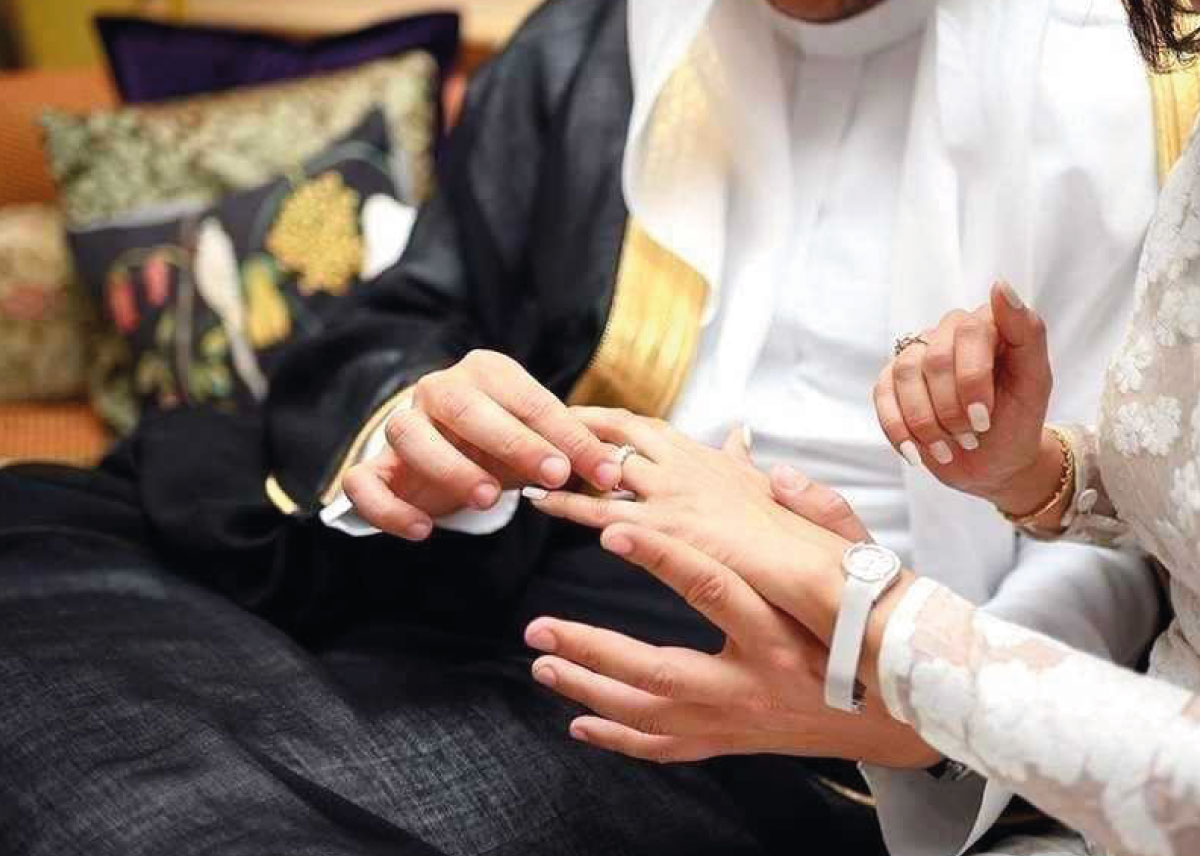
Mandatory premarital training courses could help strengthen family stability and reduce divorce rates in Kuwait, according to a legal academic who says making such programmes a requirement before marriage is permissible under Islamic Sharia. The proposal comes amid concerns about marital breakdowns, particularly during the early years of marriage.
Dr Abdulrahman Ibrahim Al-Kharraz, Associate Professor of Comparative Jurisprudence and Islamic Studies at Kuwait International Law School, said requiring couples to complete marriage preparation courses could serve the public interest without contradicting Islamic legal principles. Speaking to Al-Rai, he stressed that any mandatory programme should help couples understand their responsibilities rather than create additional obstacles or delays in completing marriage contracts.
The proposal was examined in an applied jurisprudential study titled The Ruling on Requiring a Qualifying Course for Those About to Get Married: The State of Kuwait as a Model, jointly prepared by Al-Kharraz and Dr Abdul Rahman Al-Baloul. The researchers concluded that premarital courses may be made compulsory when they serve a legitimate public interest and do not unnecessarily restrict marriage.
The discussion comes against the backdrop of Ministry of Justice statistics showing that Kuwait recorded 13,303 marriages and 7,865 divorces in 2023. According to the figures cited in the study, 35.8% of divorces occurred within the first five years of marriage, while approximately one in five took place during the first year.
Al-Kharraz identified several factors that can contribute to marital breakdown, including poor communication, incompatibility, lack of mutual acceptance and affection, family interference and the influence of social media. He also pointed to the tendency of some couples to resort to divorce without sufficient efforts to resolve disagreements.
Another concern highlighted in the study was inadequate awareness of the religious and legal principles governing marriage. These include choosing a spouse, engagement procedures, marital rights and responsibilities, financial maintenance, housing arrangements, divorce and child custody.
What would mandatory premarital courses include?
Al-Kharraz proposed a structured preparation programme combining religious, legal and social education with practical relationship skills. The objective would be to help prospective spouses understand their obligations and develop the skills needed to manage married life.
The recommended programme would cover several important areas of marriage preparation:
- Religious guidance: Islamic principles governing marriage and family responsibilities.
- Legal awareness: Marriage contracts, spousal rights, maintenance, housing, divorce and child custody.
- Communication skills: Developing constructive communication and mutual understanding between spouses.
- Conflict management: Learning practical approaches to resolving disagreements.
- Emotional control: Building the ability to manage emotions during marital disputes.
- Family relationships: Understanding the influence of relatives and external pressures on married life.
- Marriage preparation: Helping prospective couples develop realistic expectations and recognise their responsibilities.
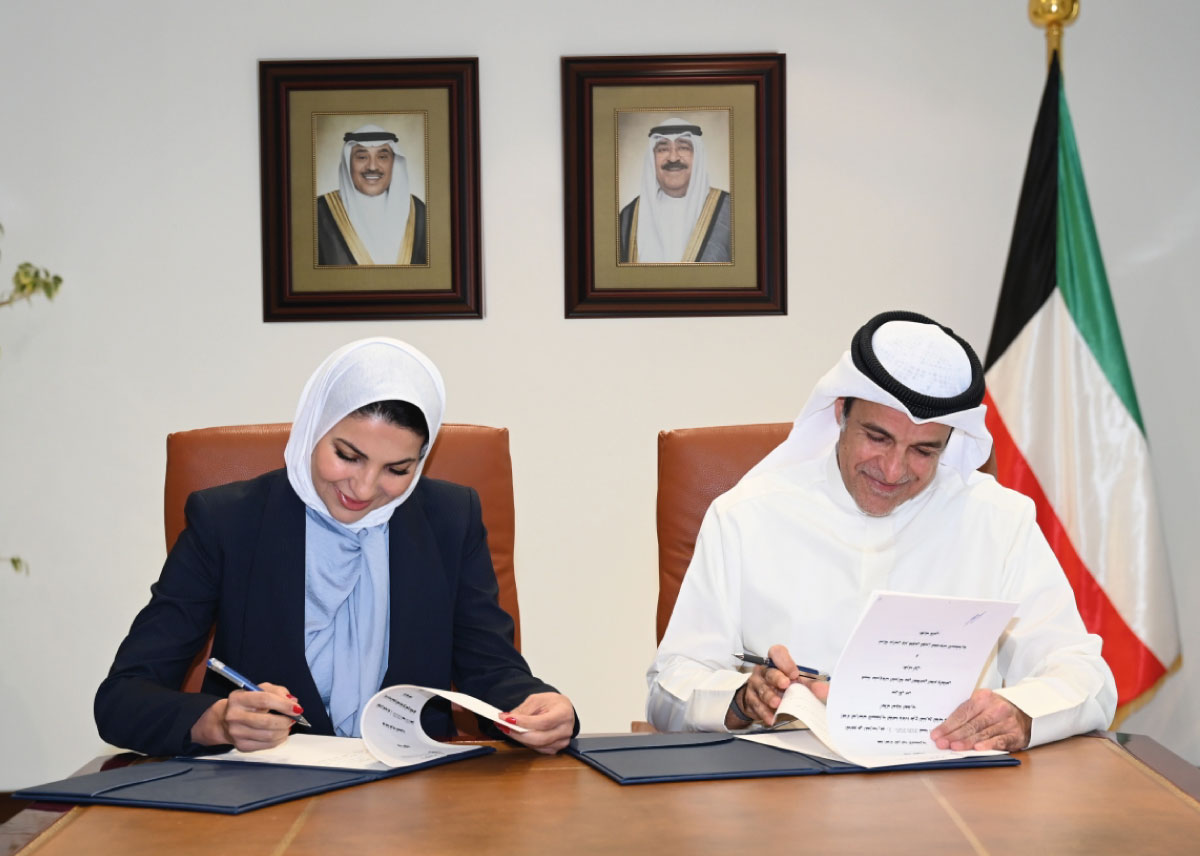
The academic recommended that qualified specialists conduct the courses under the supervision of Kuwait's Ministry of Justice. He also proposed providing the programmes free of charge throughout the year to ensure that cost and scheduling difficulties do not prevent couples from marrying.
He emphasised that the training should be preventive and educational rather than unnecessarily restrictive. In his view, an effective programme would equip prospective spouses with practical knowledge while preserving their ability to complete marriage procedures without avoidable delays.
Islamic legal basis for compulsory marriage preparation
Al-Kharraz said the proposal could be justified through Islamic jurisprudential principles concerning unrestricted public interests and the objectives of Sharia, particularly the protection of family relationships and lineage.
He explained that regulatory requirements may be permissible when they serve the public interest and do not contradict the essential conditions of a valid marriage contract or established Islamic legal rulings. On that basis, he argued that premarital training could be introduced as an administrative requirement.
The academic also referred to Fatwa No. 287H/2024, issued by the Fatwa Authority at Kuwait's Ministry of Awqaf and Islamic Affairs. According to the study, the fatwa permits premarital training as a preliminary requirement if the competent state authorities determine that it serves an overriding public interest.
Experiences from Malaysia and Gulf countries
Al-Kharraz pointed to international experiences as examples of how structured marriage preparation programmes have been introduced. He highlighted Malaysia, where premarital courses are mandatory for Muslims, as a case examined in the research.
According to figures cited in the study, Malaysia's divorce rate declined from 32% to 8%. However, the information provided does not establish the measurement periods or demonstrate that premarital courses alone caused the reported decline.
The academic also referred to experiences in Saudi Arabia, the UAE and Qatar as relevant examples of marriage preparation initiatives. He suggested that Kuwait could benefit from examining such programmes while designing an approach suited to its own legal and social circumstances.
The proposal remains an academic recommendation rather than an announced nationwide legal requirement. No official implementation date, mandatory course duration or registration procedure has been specified for couples intending to marry in Kuwait.










.jpeg?w=1920&q=100)

.jpg?w=1920&q=100)


.jpg?w=1920&q=100)


.jpg?w=1920&q=100)

.jpg?w=1920&q=100)