


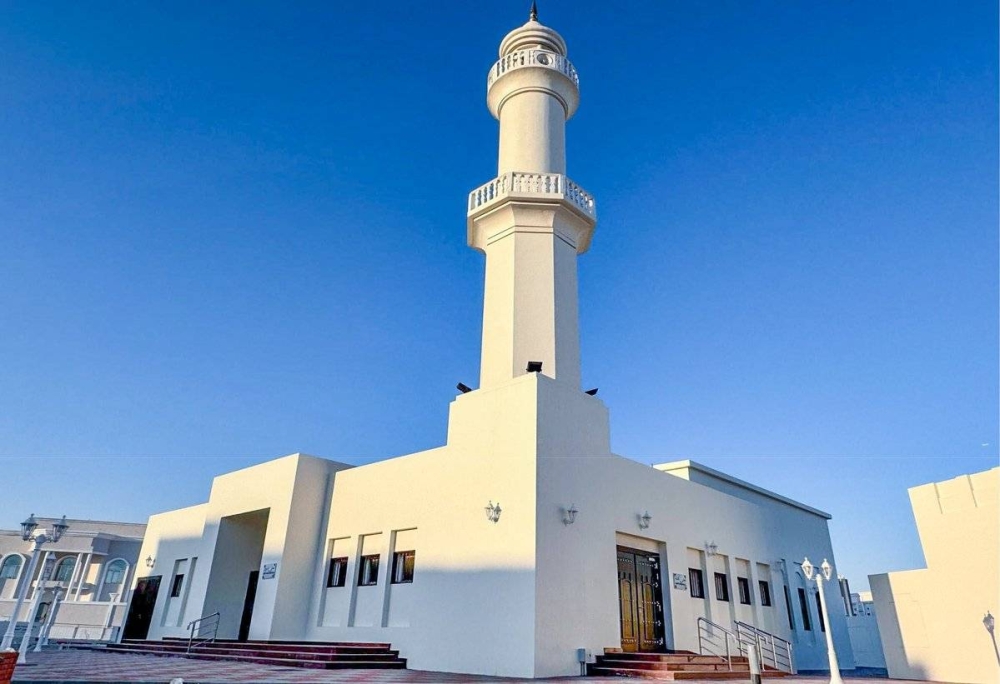
Doha, Qatar – The Ministry of Endowments and Islamic Affairs (Awqaf) has officially inaugurated Qatar’s first “smart mosque” in the Muaither Al Wukair area, marking a significant step in integrating modern technology with traditional Islamic architecture and worship services.
#وزارة_الأوقاف تُدشّن أول مسجد ذكي في قطر بمنطقة معيذر، ضمن منظومة المساجد الذكية لتعزيز الاستدامة وجودة الخدمات الدينية pic.twitter.com/VMk2ulG9Qa
The newly opened mosque forms part of Awqaf’s ongoing efforts to expand and modernise religious infrastructure across the country in line with Qatar National Vision 2030, which emphasizes sustainable urban development and improved community services.
Modern design and capacity
The smart mosque has been constructed on a spacious plot exceeding 4,000 square metres, offering a carefully designed environment to accommodate worshippers in comfort and ease.
It can host approximately 570 worshippers in total, including 500 men in the main prayer hall and 70 women in a dedicated prayer area.
The facility also includes two residences for the imam and housing for the muezzin, ensuring full operational support for religious services and daily mosque management.
Smart features and accessibility
What distinguishes the mosque as Qatar’s first “smart mosque” is its integration of advanced systems designed to improve efficiency, comfort, and sustainability.
The building includes modern engineering solutions and intelligent facility management features aimed at enhancing ventilation, energy efficiency, and overall environmental control.
The mosque has been designed to ensure smooth movement of worshippers, with clearly structured entrances and exits, spacious ablution areas, and large parking facilities.
Dedicated access points for people with disabilities have also been incorporated to ensure inclusivity and ease of access for all members of the community.
Endowment-funded development
The project was funded through a charitable endowment (waqf), reflecting Qatar’s long-standing tradition of philanthropy and community support.
Awqaf highlighted that such endowments represent ongoing charity (sadaqah jariyah), providing continuous benefit to society while earning lasting spiritual reward for donors.
The Ministry expressed appreciation for the contribution, noting that private endowments continue to play a vital role in supporting the development of mosques and public religious facilities across the country.
Part of broader national expansion plan
Awqaf officials confirmed that the opening of the mosque aligns with a broader national strategy to increase the number of mosques in rapidly growing residential areas.
The Engineering Affairs Department within the Ministry oversees planning, design, and construction, ensuring that all projects meet high technical, architectural, and sustainability standards.
This includes assessing community needs, providing temporary worship spaces where required, and maintaining existing mosque infrastructure across Qatar.
Enhancing community and spiritual life
The Ministry emphasized that modern mosque projects like the smart mosque in Muaither are designed not only to serve religious needs but also to strengthen community cohesion.
By combining traditional Islamic design elements with advanced technology, the mosque aims to provide a more comfortable, accessible, and spiritually enriching environment for worshippers.
Officials reiterated that such developments reflect Qatar’s commitment to balancing heritage with innovation while ensuring that places of worship remain central to community life.


.jpg?w=1920&q=100)

.jpeg?w=1920&q=100)