Saudi Arabia’s digital transformation rate is expected to exceed 90 percent by the end of 2026, following major improvements in government services, administrative efficiency and digital infrastructure. The Kingdom’s digital initiatives have generated annual savings of more than SR26 billion while eliminating over 1.3 million daily visits to government offices.
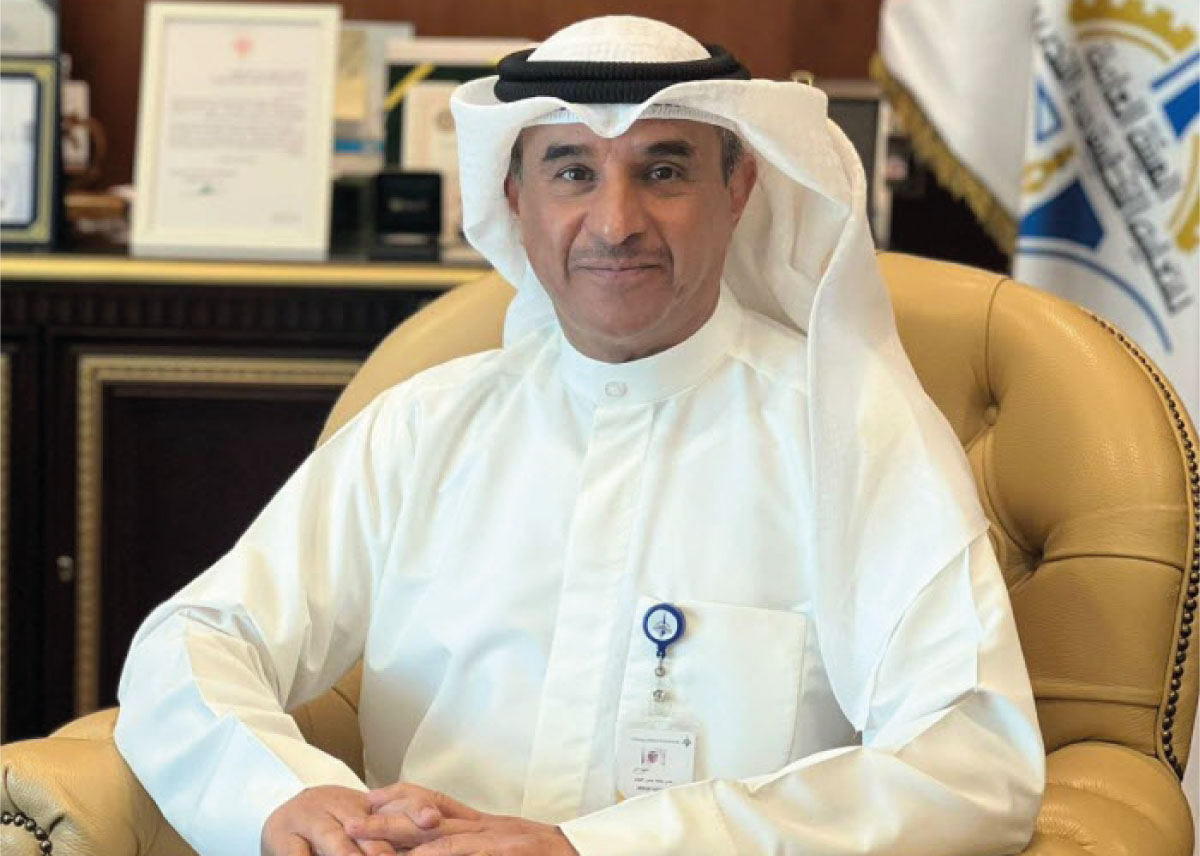
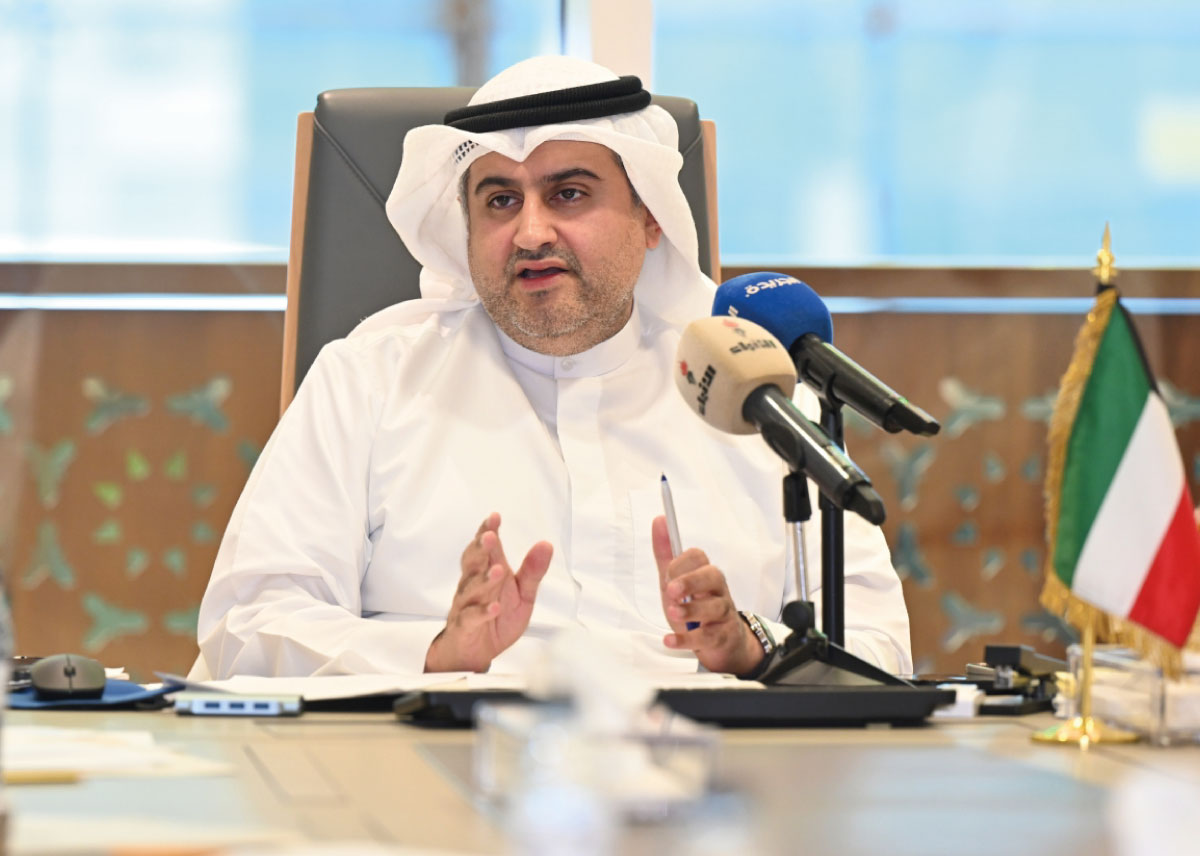
Digital Government Authority (DGA) Governor Eng. Ahmed Alsuwaiyan announced the figures during a government press conference organised by the Ministry of Media. He highlighted how digital platforms, artificial intelligence and automated services have reduced processing times, improved public access to government services and strengthened the Kingdom’s progress towards its Saudi Vision 2030 objectives.
Saudi Arabia’s digital transformation measurement index has risen from 69 percent in 2021 and is projected to surpass 90 percent by the end of 2026. Alsuwaiyan attributed this progress to the expansion of digital government services, supported by national regulations and technical standards designed to improve institutional performance.
One of the most significant improvements has been recorded through the Ministry of Interior’s Absher platform. According to Alsuwaiyan, government procedures that previously required approximately four hours can now be completed in just 30 seconds through digital services, substantially reducing waiting times and the need for physical visits.
The judicial sector has also undergone major changes, with 95 percent of court sessions now conducted remotely through virtual courts. These improvements have helped reduce the duration of judicial proceedings from 219 days to 20 days and eliminated more than 60 million annual visits to judicial facilities, according to the figures presented.
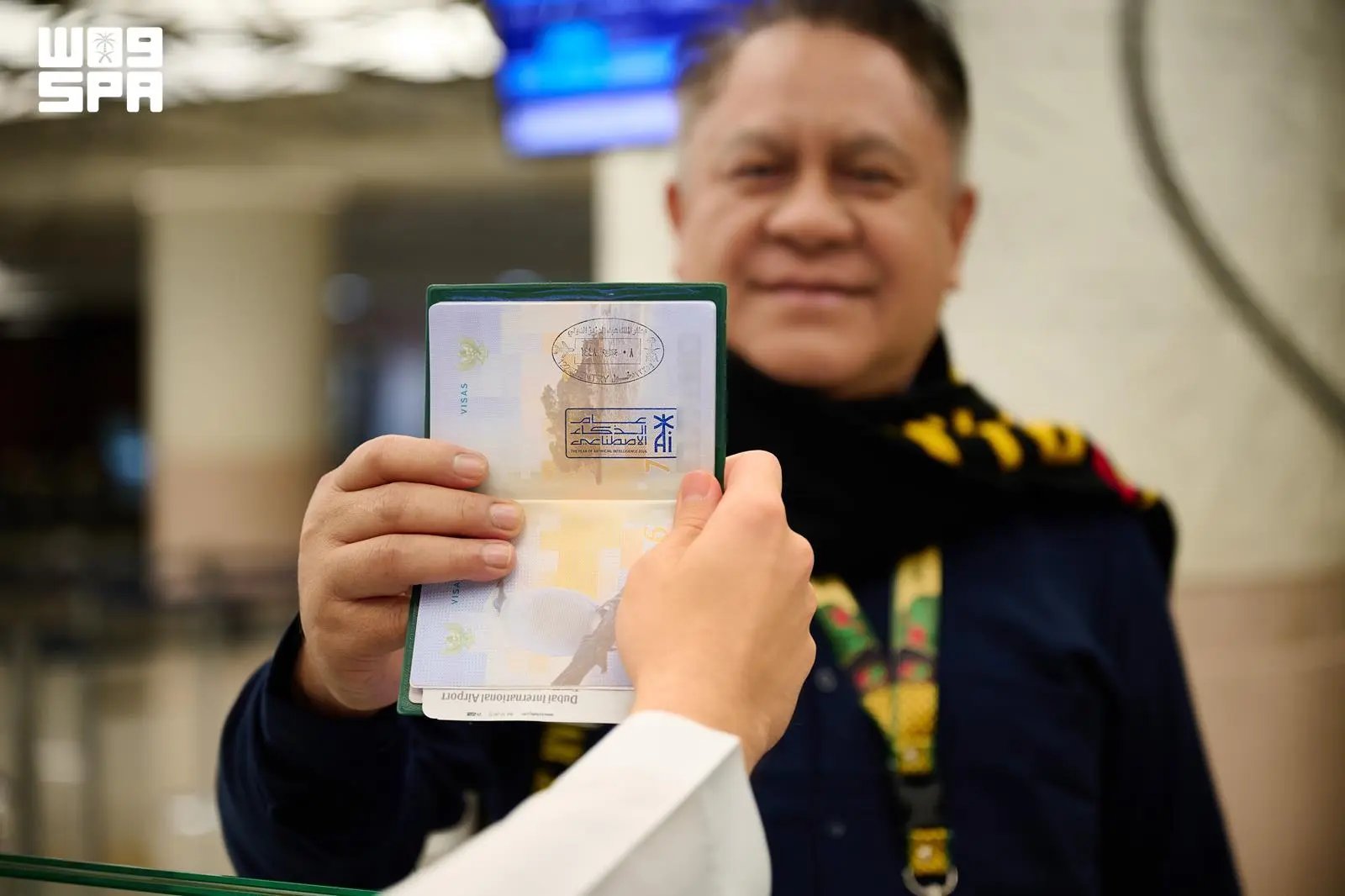
Digitalisation has also transformed services for Hajj and Umrah pilgrims. The Nusuk platform has attracted more than 60 million users, while Al-Rawdah Al-Sharifah at the Prophet’s Mosque accommodates approximately 55,000 visitors daily. The time required to issue Hajj and Umrah visas has reportedly fallen from five days to just five minutes.
Alsuwaiyan also referred to an earlier projection of more than 22 million Hajj and Umrah visas by 2025. The figures presented did not establish the final number issued during that year.
In healthcare, digital services have expanded access to consultations and treatment-related procedures. Approximately 51 percent of medical appointments are now conducted remotely, allowing patients to receive certain healthcare services without travelling to medical facilities.
The time needed to dispense medications has also been reduced from 72 hours to less than eight minutes. These improvements have contributed to reported savings of SR1.5 billion in medication costs, reflecting the financial benefits of more efficient healthcare operations.
The Tawakkalna application has become another major component of Saudi Arabia’s digital government system. More than 1,800 government services are now accessible through the platform, which processes over 88 million transactions daily, according to the Digital Government Authority governor.
Electronic payments now represent 85 percent of financial transactions, reflecting the growing adoption of digital payment systems. Customs clearance procedures have also become faster, with processing times reduced to approximately two hours, while government purchasing and supply procedures for goods and services can now be completed in two days.
Artificial intelligence is contributing to operational improvements in the energy sector. The Ministry of Energy has reduced the time needed to process and monitor oil and gas supplies from 25 minutes to 30 seconds through the application of advanced digital technologies.
Other government services have also reported substantial improvements. The Ihsan charitable giving platform has received donations totalling SR17 billion through more than 390,000 donation transactions, according to the figures presented at the conference.
Procedures for requesting domestic worker recruitment have been simplified, with the relevant process now taking approximately eight minutes. The digital changes have also removed the need for certain in-person visits to social insurance offices.
Technology has additionally helped reduce the cost of monitoring visual pollution by 76 percent. Meanwhile, digital services associated with groundwater sustainability have generated financial savings of SR120 million, demonstrating the application of digital tools in environmental management.
Alsuwaiyan said these developments demonstrate the importance of regulatory frameworks and unified technical standards in improving the quality of government services. He emphasised that digital transformation supports productivity, reduces operational expenses and provides citizens, residents and businesses with more accessible public services.
He also highlighted Saudi Arabia’s improved standing in international e-government assessments, stating that the Kingdom had advanced from 52nd place in 2018 to fourth place in 2026 among 194 countries in the overall E-Government Development Index.
The improvement places Saudi Arabia within the top five positions cited in its Vision 2030 digital government ambitions. The Digital Government Authority expects continued progress as public institutions expand electronic services, adopt artificial intelligence and strengthen digital integration across government sectors.




 Photo: saudigazette