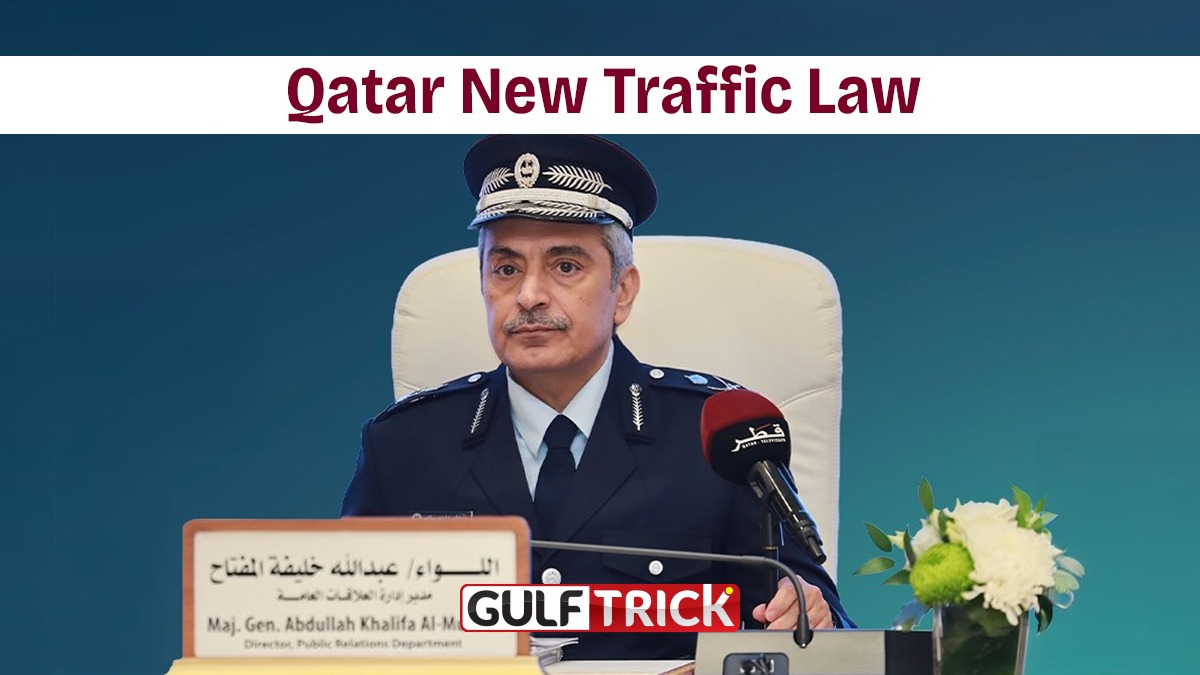
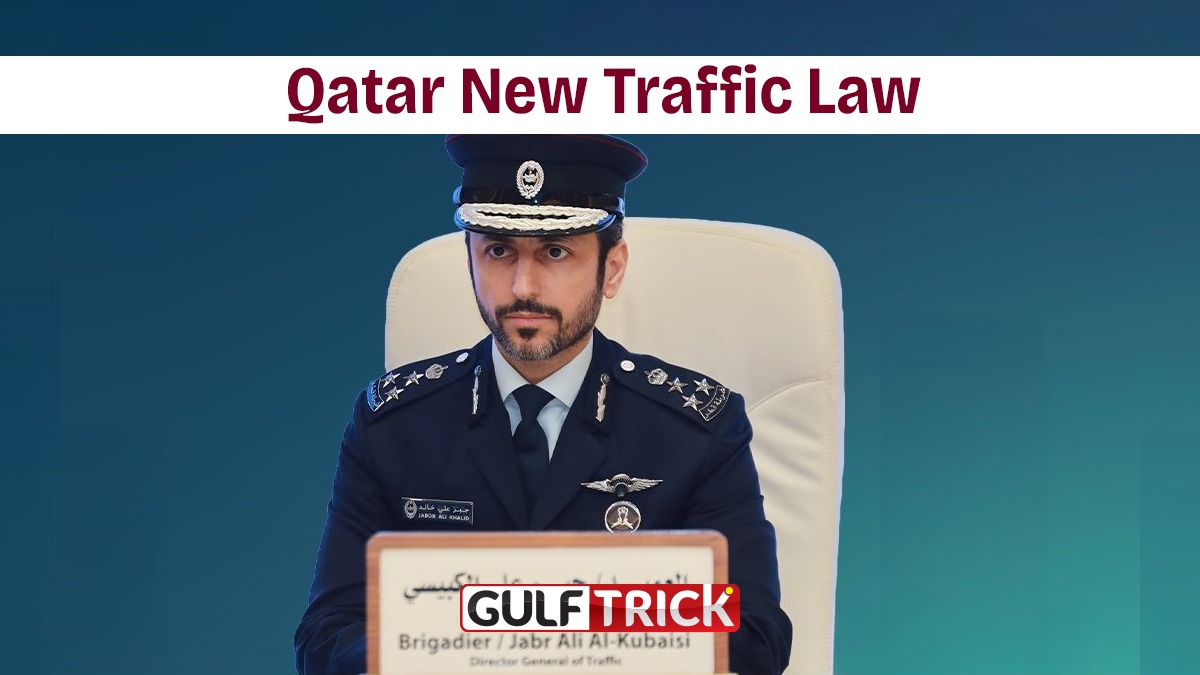
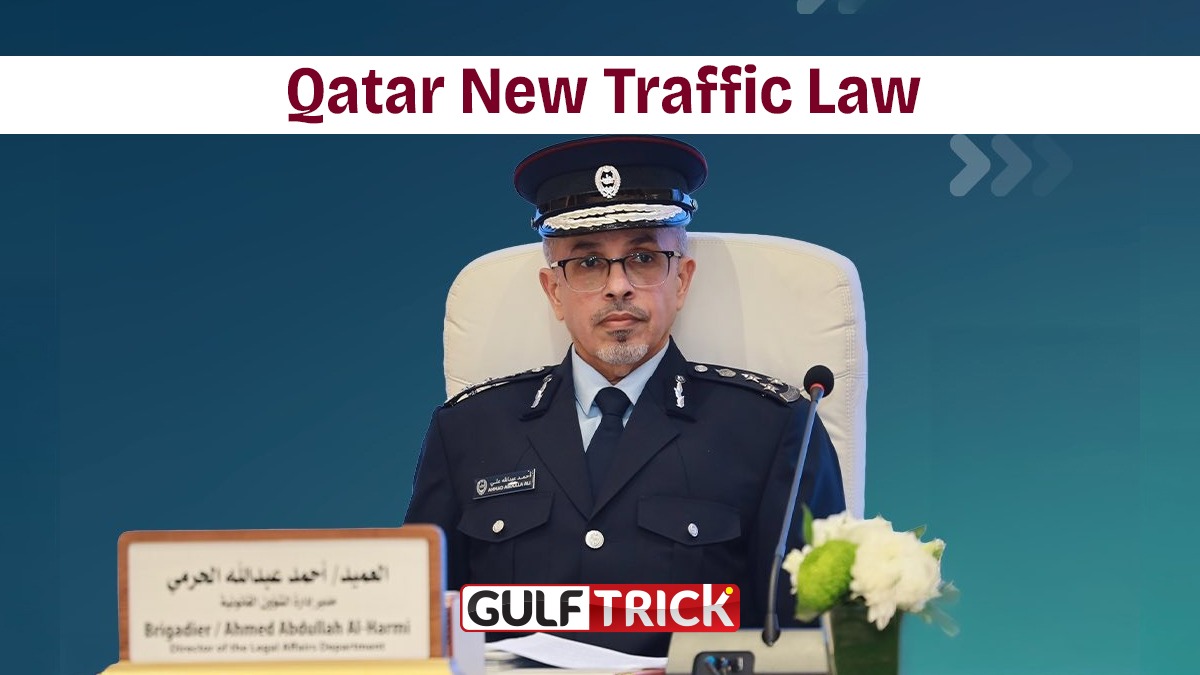
Qatar’s new Traffic Law No. 19 of 2026 introduces important provisions affecting driving licences, vehicle registration, road safety, parking, motorcycles, electric scooters and traffic violations. Issued on 4 November 2026, the legislation sets out responsibilities for motorists and vehicle owners, along with enforcement measures aimed at improving safety on the country's roads.
The law also addresses everyday situations that drivers may overlook, including using a mobile phone while driving, leaving children unattended in vehicles, displaying stickers on cars and renewing expired vehicle registrations. Whether you drive a private car, motorcycle or commercial vehicle, understanding these provisions can help you comply with the rules and avoid legal consequences.
1. Existing Driving Licences and Vehicle Registrations Remain Valid
Motorists who already hold valid driving licences or vehicle registrations do not automatically need to replace them because of the new legislation.
Under Article 2 of the law's issuing provisions, driving licences, vehicle registrations, permits and relevant commercial licences granted before the new law takes effect remain valid until their existing expiry dates. Renewals must follow the new law.
The same article requires owners of previously registered motor vehicles to bring their vehicles into compliance within a period not exceeding six months from the law's effective date. The Minister of Interior may extend that period by a further six months. This is a transitional compliance period, not an extension of an expired vehicle registration.
2. Minimum Driving Licence Ages Depend on Vehicle Type
The legislation establishes different minimum ages for obtaining driving licences according to the category of vehicle.
Under Articles 36 and 37, the minimum ages are:
- 18 years: Light motor vehicle driving licences and licences for vehicles specially adapted for persons with disabilities.
- 21 years: Motorcycle, heavy vehicle, machinery, equipment, tractor and public vehicle driving licences.
These age requirements also apply to the corresponding learner licence categories.
Article 37 additionally allows the licensing authority to grant a temporary light-vehicle learner licence to Qatari nationals aged 17, subject to specified conditions, including accompaniment by a licensed driver aged at least 18.
Applicants must also satisfy the relevant medical fitness and driving-test requirements. Additional conditions apply to certain commercial and public vehicle licence categories.
3. Vehicle Registration Requires Insurance and Technical Compliance
Vehicle owners must ensure their vehicles meet the applicable registration and licensing conditions before using them on public roads.
Article 10 requires motor vehicles to meet approved Qatari specifications and safety requirements. It also provides for technical inspection, valid third-party insurance and payment of the prescribed fees.
The article includes a licensing condition relating to a car's manufacturing year: generally, no more than 15 years must have passed since the year of manufacture. However, the law provides exceptions for qualifying vehicles under conditions determined by ministerial decision and for classic vehicles.
This provision should not be interpreted as an automatic, unconditional ban on every car older than 15 years. Vehicle eligibility must be assessed according to the law and the relevant exceptions and implementing requirements.
4. An Expired Vehicle Registration Does Not Permit Continued Driving
Vehicle registration renewal is another important responsibility for motorists in Qatar.
Under Article 14, renewal must take place no later than 30 days after the original registration expires. However, the law separately prohibits driving a motor vehicle on the road without renewing its registration.
This means the 30-day renewal period should not be treated as permission to continue driving with an expired registration. The article also provides for withdrawal of the registration and number plates when a vehicle is driven without renewal.
Drivers should therefore check the expiry date of their vehicle registration, commonly known as the Istimara, and complete the renewal requirements before continuing to use the vehicle.
5. Number Plates Must Not Be Altered or Concealed
Vehicle owners must use number plates issued by the licensing authority and keep them clearly visible.
Under Article 15, registered motor vehicles generally must carry two approved number plates, one at the front and another at the rear. The law contains separate provisions for trailers, semi-trailers and electric scooters.
Article 16 states that number plates belong to the state. It prohibits changing their shape, colour or details, replacing or lending them, or making them unclear or unreadable.
Motorists should avoid decorative covers, modifications or other changes that interfere with the visibility or authenticity of their number plates.
6. Car Stickers, Advertisements and Modifications May Require Approval
Drivers cannot freely place writing, images, stickers or promotional material on their vehicles.
Under Article 30, written permission from the licensing authority is required before placing writing, drawings, stickers, photographs, symbols or other specified material on a motor vehicle. The provision also restricts using a vehicle for advertising without the required approval.
Any permitted additions must comply with the conditions set out in the law, including restrictions concerning the vehicle's exterior appearance and the visibility of its information.
Article 31 also requires prior written permission before changing a vehicle's use or replacing essential components where doing so changes information recorded on its registration certificate.
7. Seat Belts and Mobile Phone Restrictions Must Be Followed
The law sets out specific requirements concerning seat belts and driver distraction.
Under Article 61, drivers and passengers seated beside them in the front seat must wear seat belts while the vehicle is travelling on the road.
Article 62 prohibits drivers from holding or using a mobile phone or other device by hand while driving. It also prohibits drivers from becoming distracted by watching visual content on a vehicle's television screen.
Drivers should keep their attention on the road and avoid handling devices while their vehicle is moving.
8. Children Under 13 Must Not Be Left Alone in Vehicles
The legislation includes important protections for children and other people who may require assistance.
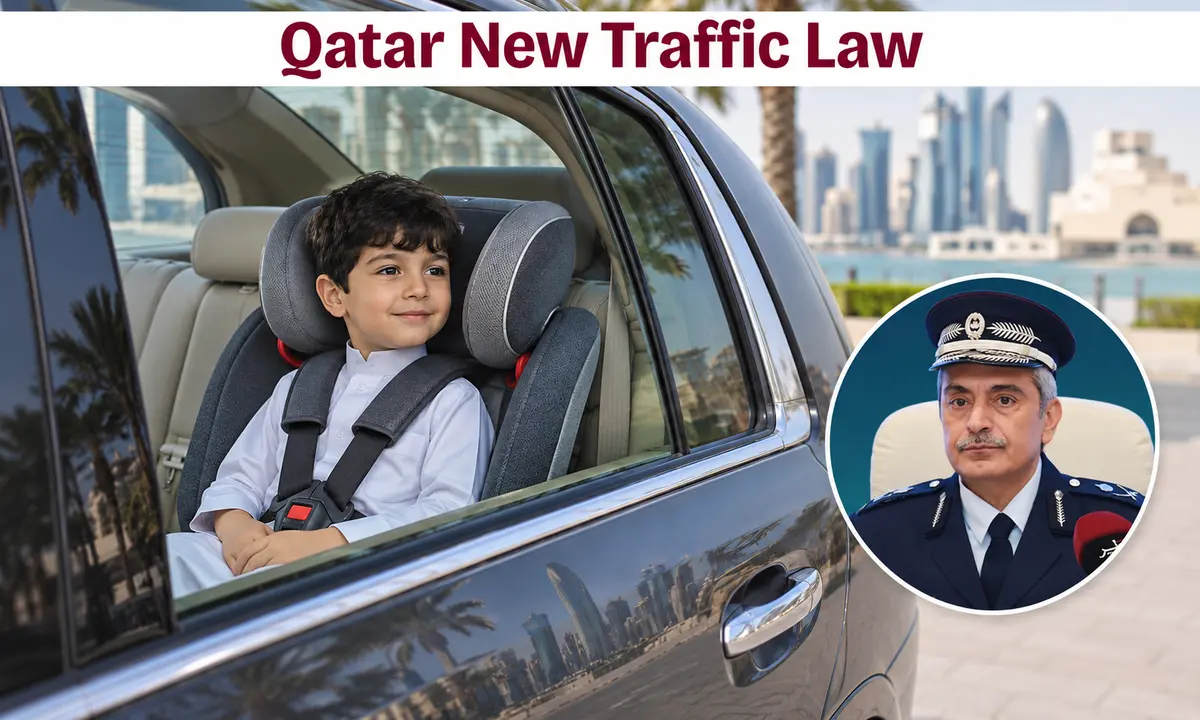
Under Article 62, drivers must prevent children under the age of 10 from sitting in the front seats of a motor vehicle while it is travelling.
Article 71 separately prohibits drivers from leaving the following people inside a vehicle without an accompanying adult:
- Children: Anyone younger than 13.
- Persons lacking legal capacity: Individuals covered by the provision.
- People requiring assistance: Persons with disabilities, patients or elderly individuals whose condition requires an accompanying adult.
The two age limits address different situations: children under 10 sitting in the front seat while travelling, and children under 13 being left in a vehicle without adult supervision.
9. Speed Limits, Lane Discipline and Road Signs Remain Essential
Drivers are required to observe speed limits and adjust their driving to road and weather conditions.
Under Article 60, motorists must comply with applicable maximum and minimum speed limits, subject to the exceptions stated in the law. They must also reduce speed when approaching places such as pedestrian crossings, schools, hospitals, residential areas, intersections and roundabouts.
Articles 51 to 54 establish rules concerning lane discipline, changing direction, reversing and using expressways. Among other requirements, drivers must not cross continuous lane markings, change lanes without ensuring it is safe, or drive against the direction of traffic.
Article 79 also makes clear that a yellow traffic signal is a warning to prepare and does not mean that a driver may start moving.
10. Electric Scooters Must Be Registered and Follow Road Safety Rules
Electric scooter users are subject to specific requirements under the new legislation.
Article 7 prohibits operating electric scooters and comparable vehicles without registration in the designated register maintained by the licensing authority and payment of the prescribed fee.
Under Article 15, registered electric scooters must carry one or more number plates issued by the licensing authority, in accordance with requirements determined by the Minister of Interior.
Article 55 also sets out rules for electric scooters, bicycles and motorcycles. It requires riders to use designated cycling routes where provided, observe restrictions on riding behaviour and wear appropriate helmets. Where no designated bicycle route exists, cyclists and electric scooter riders must keep to the right and travel individually in single file.
Specific registration procedures and other implementation details must be followed according to the applicable official regulations and decisions.
11. Parking Is Prohibited in Several Locations
Motorists must park only in authorised locations and avoid obstructing traffic or access.
Articles 84 and 85 regulate vehicle parking and waiting. Article 85 lists 17 prohibited parking locations or situations, including:
- Pedestrian areas: Pedestrian crossings and pavements.
- Intersections: Within 15 metres of junctions, entrances to roundabouts, pedestrian crossings and public transport stops.
- Access points: In front of certain entrances and exits without permission.
- Disabled parking spaces: Areas reserved for persons with disabilities.
- Cycling routes: Lanes designated for bicycles and electric scooters.
- Obstructions: Locations where a parked vehicle prevents another vehicle from moving.
- Unauthorised areas: Places where stopping or waiting is prohibited.
Article 88 further prohibits leaving a vehicle with its ignition key in place or leaving it running while unattended.
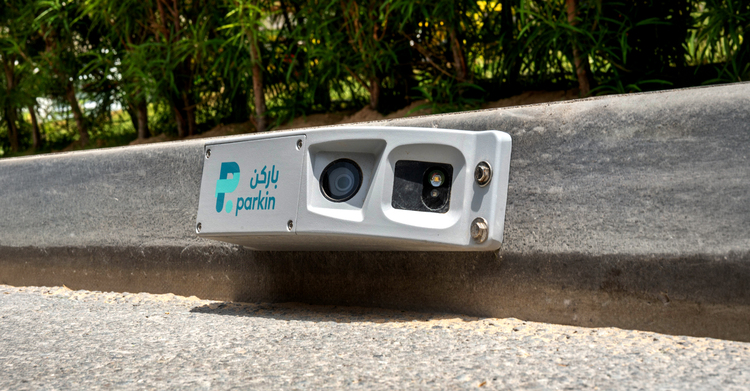
The law also provides for enforcement measures against certain illegally parked vehicles, including wheel clamping, removal or towing under the applicable conditions.
12. Car Horns and Dazzling Lights Have Specific Restrictions
Drivers must use vehicle warning devices appropriately rather than unnecessarily disturbing other road users.
Under Article 75, a vehicle must have an audible warning device, but the horn may be used only when there is a danger of imminent occurrence. The same article restricts certain types of warning devices, including equipment reserved for emergency vehicles.
Article 76 restricts the use of dazzling front or rear lights except in weather conditions requiring them. It also requires written authorisation for measures intended to conceal vehicle glass, in accordance with the applicable regulations.
Motorists should therefore avoid using horns or lighting equipment outside the circumstances permitted by law.
13. Drivers Must Follow Specific Procedures After an Accident
The law distinguishes between road accidents involving injuries and those where no one is injured.
Under Article 73, when an accident results in injury, the driver responsible for the vehicle involved must provide necessary assistance and immediately notify the police. The vehicle must not be moved without police permission unless moving it is necessary to assist an injured person.
If an accident causes no injuries and the vehicles can be moved, the parties must move them to the nearest service parking area on the road and immediately inform the Traffic Police.
Drivers involved in accidents must also provide the required personal and vehicle-owner information to police officers when requested.
14. Serious Traffic Violations Can Lead to Vehicle Impoundment
The new law gives the authorities powers to take enforcement action against vehicles involved in specified offences.
Under Article 99, the Director General of Traffic or an authorised representative may order the administrative impoundment of a vehicle for up to 90 days in certain cases. These include driving without valid plates, using a vehicle after its registration has expired or been withdrawn, driving without an appropriate licence, reckless driving and using a handheld mobile phone while driving.
Separately, Article 117 allows a court to order confiscation of a vehicle following conviction for specified serious offences. These include dangerous driving, driving under the influence, running a red light, exceeding the speed limit by more than 60 km/h and certain repeat offences.
Administrative impoundment and court-ordered confiscation are different legal measures. Neither should be described as an automatic consequence in every case.
15. Traffic Points Can Result in Driving Licence Withdrawal
Qatar's new legislation also sets out a traffic-points system and the consequences of accumulating points.
Articles 105 and 106 establish the following withdrawal thresholds for proven traffic offences:
- First withdrawal: 14 points — licence withdrawn for three months.
- Second withdrawal: 12 points — licence withdrawn for six months.
- Third withdrawal: 10 points — licence withdrawn for nine months.
- Fourth withdrawal: 8 points — licence withdrawn for one year.
- Fifth withdrawal: 6 points — licence withdrawn permanently, subject to the conditions for obtaining a new licence.
Following a fifth withdrawal, a new licence may be granted only after at least one year has passed and the required driving test has been passed.
The law also contains penalties for individual offences and a settlement system for violations specified in its accompanying schedule. Article 123 allows the licensing authority to waive up to half the applicable settlement amount if payment is made within 30 days of the violation being recorded. Such a reduction is discretionary, not an automatic entitlement.
What Drivers in Qatar Should Do
The legislation covers a broad range of responsibilities, from maintaining valid vehicle documents to protecting passengers and following road safety rules.
Drivers and vehicle owners should pay particular attention to licence eligibility, registration renewal, approved vehicle modifications, child safety, parking restrictions and traffic points. Motorcycle and electric scooter users should also review the provisions specific to their vehicles.
Some procedural details are subject to implementing regulations and decisions. Under Article 3 of the issuing law, existing regulations and decisions continue to apply until replaced, provided they do not conflict with the new legislation. Motorists should therefore follow subsequent instructions issued by Qatar's Ministry of Interior and the competent licensing authority.
Disclaimer: This article is an informational summary of Qatar Traffic Law No. 19 of 2026 and does not replace the official Arabic legal text. Requirements, exemptions, procedures and enforcement measures should be interpreted in accordance with the legislation and applicable official regulations.
Source: Qatar Official Gazette, Issue No. 22 of 2026; Law No. 19 of 2026 issuing the Traffic Law, dated 4 November 2026.







.webp?w=1920&q=100)