The UAE used artificial intelligence to monitor and identify misleading information circulating on social media before, during and after recent attacks affecting the country. The technology helped authorities detect suspicious online activity, analyse false claims and respond quickly with verified information, according to a senior UAE media official.
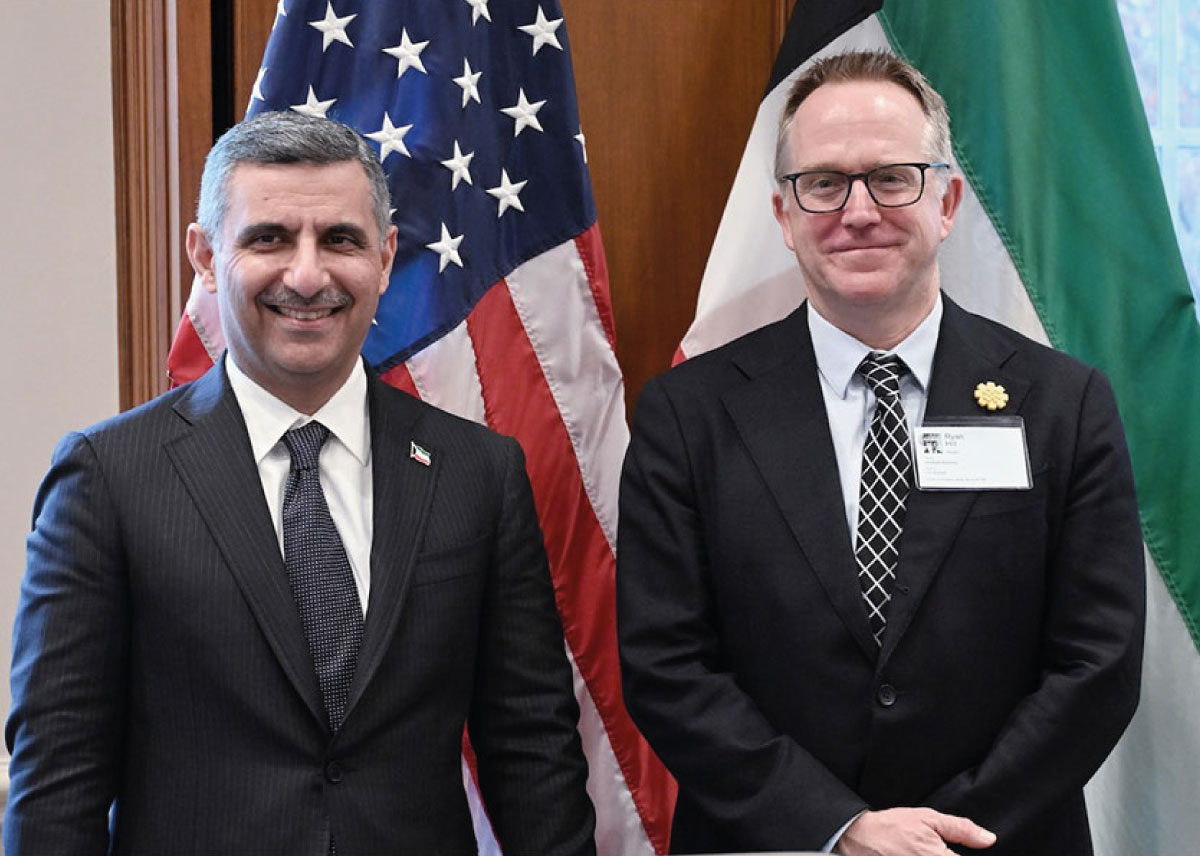
Mohammed Saeed Al Shehhi, Secretary-General of the National Media Authority, outlined the measures during the fifth World Police Summit in Dubai on Wednesday. He said the authority coordinated with government agencies and social media platforms to address misleading content, while federal and local media teams distributed official updates in multiple languages within minutes of incidents.
Al Shehhi explained that the rapid publication of accurate information was essential during security-related developments. Delays in official communication could create opportunities for speculation, allowing unverified claims to circulate widely before reliable information becomes available.
The National Media Authority used AI-powered monitoring tools to examine large volumes of digital content and identify potentially misleading posts. The technology also helped detect recurring patterns that could indicate coordinated efforts to spread false information.
According to Al Shehhi, identifying these patterns at an early stage enables authorities to respond more effectively and reduce the potential impact of misleading narratives. He stressed that AI provides valuable support in processing information quickly, particularly during situations requiring immediate public communication.
However, he emphasised that artificial intelligence should assist human decision-making rather than replace it. Verification, assessment and final decisions must remain the responsibility of qualified personnel to ensure that information is handled accurately.
Al Shehhi made the remarks during a panel discussion examining AI-powered policing and digital transformation. The session explored how artificial intelligence could improve government operations, support security procedures and strengthen the delivery of public services.
The panel was organised by the Ministry of Interior in cooperation with the UAE Cyber Security Council, National Media Authority, Ministry of Human Resources and Emiratisation, Prime Minister's Office at the Ministry of Cabinet Affairs, and Mohamed bin Zayed University of Artificial Intelligence.
Participants discussed the importance of AI governance, including how public institutions can introduce advanced technologies while maintaining appropriate oversight and responsible decision-making. The discussions also addressed opportunities to simplify administrative processes and improve efficiency.
Al Shehhi warned that misinformation and disinformation represent significant international challenges. Referring to global risk assessments, he said they rank as the world's second most serious risk over the next two years, with potential consequences for national security, social stability and economic development.
He described organised disinformation as an increasingly sophisticated activity involving specialised technology, coordinated networks and individuals capable of distributing misleading claims at high speed. Such campaigns can influence public perceptions before accurate information reaches a wider audience.
Addressing these challenges requires cooperation between government bodies, news organisations, digital platforms and other institutions, he said. Maintaining public confidence in official communication is also important in limiting the influence of unreliable information.
The National Media Authority is continuing to develop its technological capabilities and train employees to use AI tools for monitoring online discussions, studying information patterns and identifying potential threats.
As part of these efforts, the authority has established a dedicated National Narrative Department to communicate the UAE's values, positions and achievements through a coordinated institutional approach.
The authority is also developing a unified digital monitoring and analysis platform equipped with early-warning capabilities. The system is intended to identify emerging disinformation campaigns and help relevant teams respond before misleading content spreads extensively.
Al Shehhi said the main challenge facing public communication today is not the availability of information but the speed and volume at which it moves across digital platforms. He identified accuracy, speed and clarity as essential elements of effective communication.
He also acknowledged that advances in artificial intelligence have made it easier to produce convincing deceptive material. At the same time, the technology provides powerful tools for analysing online content and identifying possible manipulation.
Beyond government monitoring, Al Shehhi highlighted the importance of public awareness and media literacy. He encouraged people to rely on credible information sources, question suspicious online claims and verify content before sharing it with others.
The discussion also featured Dr Mohammed Ahmed Al Loghani, Chief Executive Officer for Government Affairs and Protocol at Mohamed bin Zayed University of Artificial Intelligence. He addressed the governance of AI agents and ethical considerations surrounding their use in government and security institutions.
The summit discussions reflected the UAE's continuing efforts to integrate artificial intelligence into public administration while strengthening coordination between security agencies, media institutions and technology specialists.
Disclaimer: The use of AI to identify misleading information does not automatically establish that every flagged post is false or part of a coordinated campaign. Assessments of online content require appropriate verification and human oversight. Residents should consult official UAE government channels and credible news organisations when checking security-related information.