


 Photo: SPA
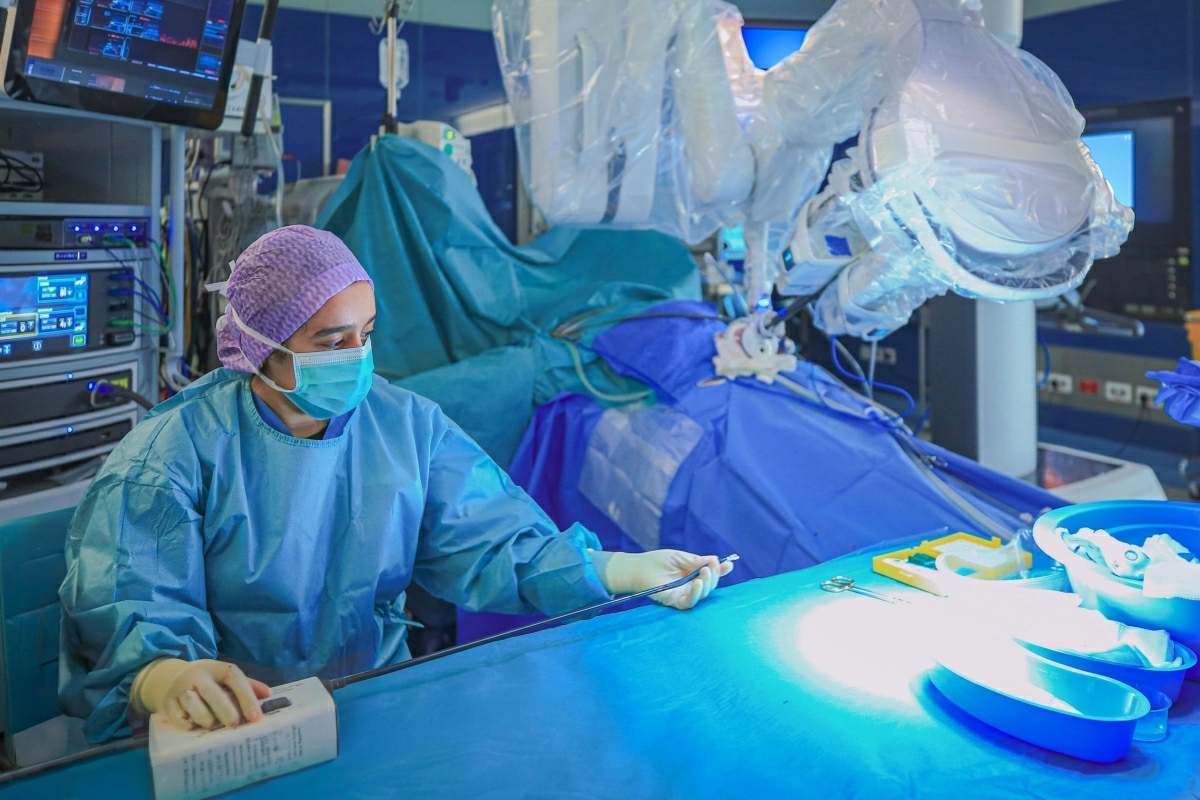
King Faisal Specialist Hospital and Research Centre (KFSH) has treated 288 patients using advanced CAR-T cell therapy as of the end of October 2026, marking further progress in Saudi Arabia’s efforts to expand specialised cancer treatment. The hospital has also begun manufacturing the therapy locally, significantly reducing production costs and the time required to prepare treatment for patients.
According to the Saudi Press Agency (SPA), the hospital’s programme has treated 251 adults and 37 children suffering from certain types of blood cancer. Paediatric patients represented approximately 13 percent of the total, reflecting the use of this specialised immunotherapy in both adult and childhood cancer care.
CAR-T cell therapy is an advanced form of cancer treatment that uses genetically modified immune cells to identify and attack cancer cells. The procedure begins by collecting T cells, a type of immune cell, from the patient’s blood.
These cells are then genetically modified to recognise specific targets on cancer cells before being prepared for reinfusion into the patient’s body. Once administered, the modified cells can identify and attack cancer cells carrying the targeted markers.
The treatment is used for certain blood cancers and represents a specialised approach to immunotherapy. It differs from conventional cancer treatments by using the patient’s own immune cells, which are modified to improve their ability to recognise cancer.
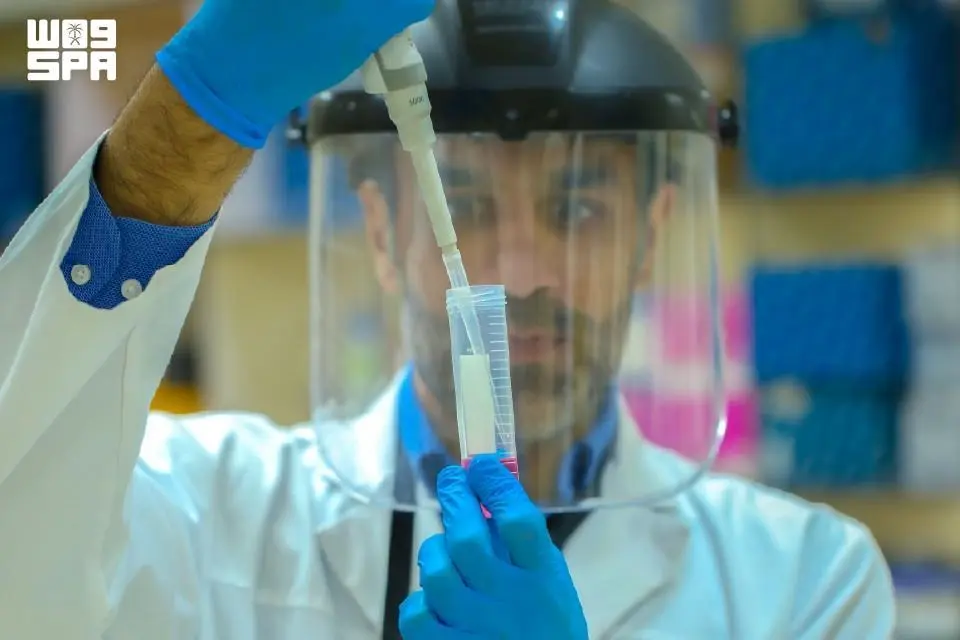
KFSH has made significant progress in developing the clinical and technical capabilities required to deliver the therapy. One of the most important developments has been its transition from relying entirely on international manufacturers to producing CAR-T treatment within Saudi Arabia.
The hospital confirmed that two patients have already received locally manufactured CAR-T cell therapy. The development follows the administration of the first locally produced dose during a Phase I clinical trial in 2025.
Local production has substantially shortened the manufacturing and delivery process. Previously, preparing the treatment through international manufacturing arrangements required approximately 28 days. With domestic production, the timeframe has been reduced to less than 14 days.
The hospital has also reported a major reduction in manufacturing costs. The cost of producing the therapy has fallen from approximately SAR 1.3 million to SAR 250,000, representing a reduction of nearly 80 percent.
The shorter production period is particularly important for patients receiving complex cancer treatments, as it reduces the time between collecting immune cells and delivering the manufactured therapy.
Lower manufacturing costs may also support efforts to make advanced treatment more accessible to eligible patients. However, the reported cost reduction concerns the manufacturing process and should not automatically be interpreted as the final amount charged to patients.
By developing its own production capabilities, KFSH aims to reduce dependence on overseas manufacturing facilities and strengthen the availability of advanced medical treatments within the Kingdom.
The initiative is part of the hospital’s wider programme to localise specialised therapies and build national expertise in biotechnology. Developing domestic manufacturing also supports the expansion of technical knowledge and infrastructure needed for complex cell-based treatments.
These efforts align with Saudi Arabia’s National Biotechnology Strategy, which seeks to establish the Kingdom as an international centre for life sciences research, biotechnology innovation and advanced medical industries.
The strategy places importance on developing local capabilities in emerging medical technologies and strengthening Saudi Arabia’s position in specialised healthcare and scientific development.
KFSH’s latest figures demonstrate the expansion of its CAR-T cell therapy programme, with 288 patients treated by October 2026. The hospital’s progress in local manufacturing represents another step towards developing advanced cancer treatment capabilities within Saudi Arabia.
Source: Saudi Press Agency (SPA)

 Photo: saudigazette