


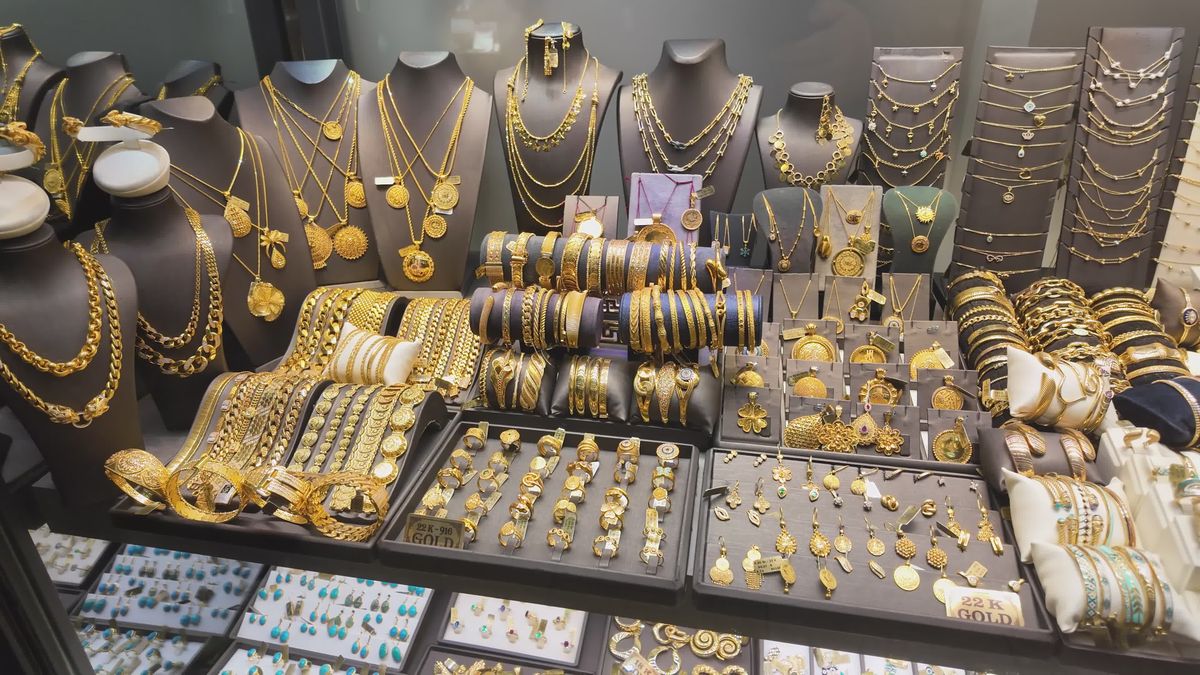
Spending on jewelry in Saudi Arabia climbed 60.6 percent to SAR 785.7 million during the week of November 15–21, 2026, marking the strongest weekly increase among the commercial categories monitored by the Saudi Central Bank (SAMA). The rise stood in contrast to a decline in overall point-of-sale (POS) spending across the Kingdom.
Figures from SAMA’s latest weekly report show that jewelry transactions generated SAR 296.6 million more than the previous week’s SAR 489.1 million. The number of purchases also increased, suggesting that the rise was accompanied by greater transaction activity rather than simply higher spending across a smaller number of purchases.
The jewelry sector recorded approximately 458,000 transactions during the reporting week, compared with 400,000 in the preceding period. This represented a 14.5 percent increase, equivalent to around 58,000 additional purchases.
Although jewelry accounted for a relatively small share of total POS spending, its weekly growth significantly exceeded that of other business categories covered by the central bank’s report.
The data did not identify the factors behind the increase or establish whether the higher spending was linked to changes in jewelry prices, consumer demand or purchasing patterns.
Overall Retail Spending Falls to SAR 13.5 Billion
Across the wider economy, Saudi Arabia’s total POS spending declined 3.7 percent from the previous week to SAR 13.5 billion, reflecting weaker overall retail payment activity.
Transaction volumes also decreased, falling 6.3 percent to approximately 241.1 million. The decline indicates that fewer electronic purchases were recorded nationally despite the substantial increase in jewelry transactions.
Food and beverages continued to attract the largest amount of consumer spending, with purchases totalling SAR 2.11 billion during the week.
Restaurants and cafés accounted for a further SAR 1.71 billion, while clothing and accessories generated SAR 1.29 billion. These categories remained among the leading contributors to the Kingdom’s weekly POS expenditure.
Riyadh Leads Saudi Cities in Electronic Payments
Riyadh maintained its position as the country’s largest market for point-of-sale spending, recording SAR 4.88 billion during the reporting period.
The capital represented approximately 36.2 percent of total POS expenditure nationwide, demonstrating its substantial share of electronic retail transactions.
Jeddah followed with SAR 1.84 billion in recorded spending, while Dammam registered SAR 672.8 million.
The geographic figures provide an indication of where POS purchases were concentrated during the week, although they do not separately establish jewelry spending patterns in individual cities.
SAMA’s weekly reports monitor electronic payment activity across various commercial sectors and geographic locations, providing regular data on changes in consumer transactions.
The November 15–21 results reveal a notable divergence between jewelry purchases and the broader retail market. While total POS spending and transaction counts declined, jewelry recorded increases in both the value and volume of purchases.
The figures offer a snapshot of consumer payment activity during a single week. Additional reporting periods would be needed to determine whether the increase in jewelry spending represents a sustained trend.
Source: Saudi Central Bank (SAMA)












.jpg?w=1920&q=100)