



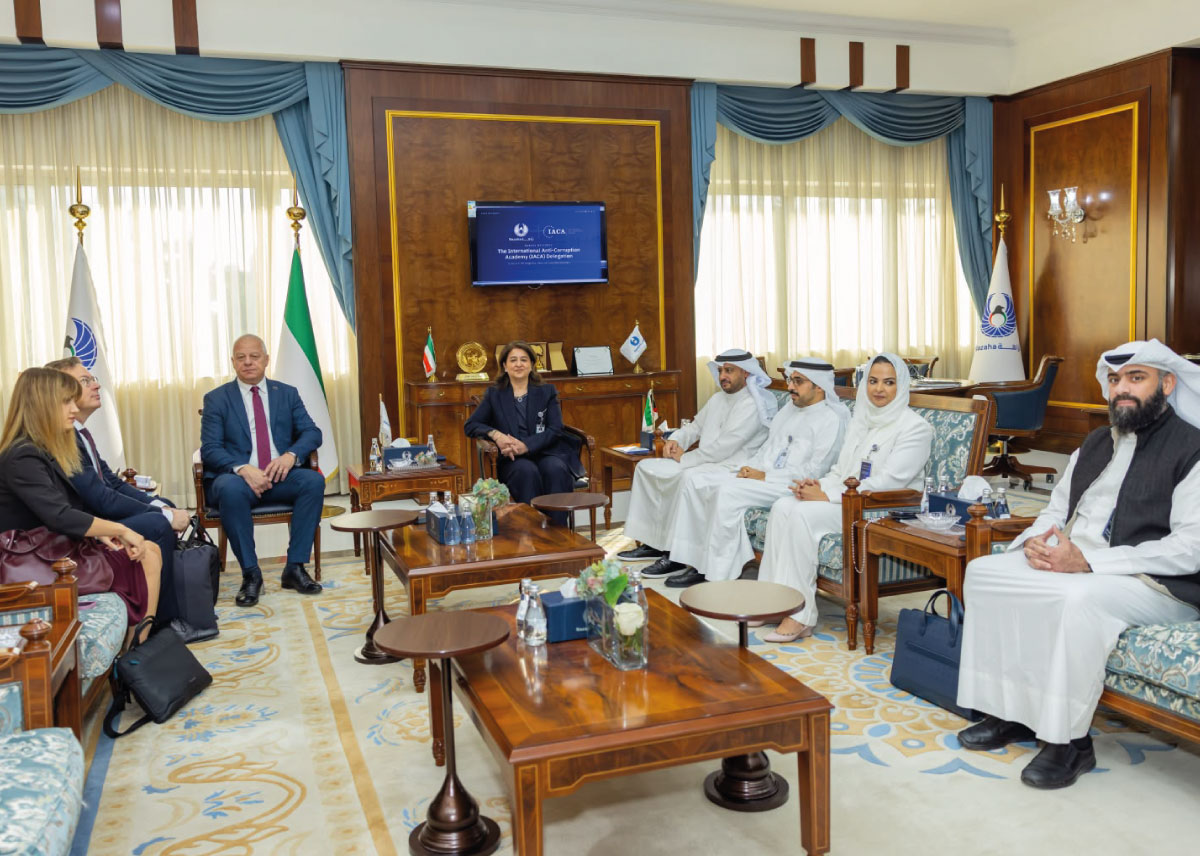
Kuwait's Public Authority for Anti-Corruption (Nazaha) is exploring legislative reforms aimed at strengthening its powers and improving its ability to combat corruption. The initiative involves cooperation with the International Anti-Corruption Academy (IACA), which has expressed support for the authority's work and commitment to international standards.
Drago Kos, Dean of the International Anti-Corruption Academy, praised Nazaha following discussions with its President, Dr Rana Abdullah Al-Fares. The talks focused on using international expertise and technical and academic assistance to review and develop the legislation establishing the authority, according to the Kuwait News Agency (KUNA).
Kuwait reviews legislation governing Nazaha
The discussions formed part of efforts to strengthen Kuwait's national integrity and anti-corruption framework. Officials examined how international experience could support improvements to the authority's legislative and institutional arrangements.
Particular attention was given to reviewing Nazaha's founding law and identifying possible amendments that could enhance its responsibilities, institutional capabilities and operational effectiveness.
The proposed legislative development would draw on international standards and established anti-corruption practices while taking account of Kuwait's constitutional requirements and domestic legal system.
International Anti-Corruption Academy praises Kuwait's commitment
Kos acknowledged Kuwait's longstanding cooperation with the International Anti-Corruption Academy, describing the country as a valued participant in the organisation for more than a decade.
He highlighted Nazaha's contribution to that relationship, particularly its commitment to international standards and willingness to cooperate with specialised institutions.
The academy also expressed support for efforts to improve the authority's legislative framework, with the proposed changes intended to strengthen its powers and effectiveness in combating corruption.
Nazaha aims to strengthen institutional effectiveness
Al-Fares emphasised the importance of learning from countries that have made measurable progress in preventing and combating corruption. She said Kuwait could benefit from examining their legislative experiences and adapting relevant approaches to its own institutional environment.
She also stressed that any proposed changes must remain consistent with the Kuwaiti Constitution, the country's legal framework and its obligations under the United Nations Convention against Corruption.
Nazaha considers legislative development an important component of building a stronger national anti-corruption system, protecting public funds and reinforcing confidence in state institutions.
Technical and academic cooperation to support reforms
The discussions addressed opportunities to use the academy's specialised knowledge, research capabilities and technical assistance in developing proposed amendments to Nazaha's founding legislation.
Such cooperation would allow the authority to examine international legislative models and identify approaches suited to Kuwait's legal and administrative structures.
The meeting concluded with both sides recognising the importance of continued international cooperation in strengthening anti-corruption institutions. The discussions concerned proposed legislative development, and no final amendments or implementation date were announced.















.jpg?w=1920&q=100)