

India Bullet Train: Could Delhi to Mumbai Journey Take Just Six Hours?

India Bullet Train: Could Delhi to Mumbai Journey Take Just Six Hours?

India's ambitious high-speed rail programme could eventually reduce the journey between Delhi and Mumbai to approximately six hours, compared with more than 15 hours on the fastest regular train services currently operating between the two cities.

The possibility depends on a proposed 886-kilometre Delhi–Ahmedabad corridor being approved, constructed and connected to the Mumbai–Ahmedabad bullet train line already under development.

While the prospect of travelling nearly 1,400 kilometres between India's political and financial capitals in around six hours is attracting attention, the project remains a long-term possibility rather than an approved service.

The Mumbai–Ahmedabad corridor is progressing through construction, but the proposed Delhi–Ahmedabad extension has yet to receive formal approval for implementation.

Meanwhile, India is developing its domestically manufactured B28 high-speed train as part of efforts to strengthen its railway technology capabilities.

Delhi–Mumbai Bullet Train: How the Six-Hour Journey Could Work

The proposed Delhi–Ahmedabad high-speed railway would cover approximately 886 kilometres, with an anticipated journey time of less than four hours. According to project details reported by The Times of India, conventional passenger trains currently take around 14 hours to travel between the two cities.

The proposed corridor could eventually connect with India's 508-kilometre Mumbai–Ahmedabad High-Speed Rail project. If both routes become operational and are integrated into a continuous network, passengers could potentially travel between Delhi and Mumbai in approximately six hours or less.

However, the six-hour journey remains an indicative possibility rather than an officially confirmed operational target. Actual travel times would depend on the final alignment, approved train speeds, station stops, transfer arrangements and the operational design of the completed network.

Proposed Delhi–Ahmedabad Bullet Train Route and Stations

The Delhi–Ahmedabad project is planned to begin at Dwarka Sector 21 in the national capital before passing through Haryana, Rajasthan and Gujarat. The proposed alignment would connect several important industrial, commercial and tourism destinations along the route.

According to the detailed project report prepared by the National High Speed Rail Corporation Limited (NHSRCL), 15 stations have been proposed across the four jurisdictions:

  • Delhi: Dwarka.
  • Haryana: IMT Manesar and Rewari.
  • Rajasthan: Behror, Shahpura, Jaipur, Ajmer, Vijaynagar, Bhilwara, Chittorgarh, Udaipur and Dungarpur.
  • Gujarat: Himmatnagar, Gandhinagar and Ahmedabad.

The proposed corridor would be entirely elevated, with the alignment designed to follow sections of existing railway routes and highways where feasible. According to an NHSRCL official quoted by The Times of India, this approach was selected to minimise the need for acquiring privately owned land and potentially reduce delays during project implementation.

Why the Delhi–Ahmedabad Project Has Not Started Construction

Although the Delhi–Ahmedabad corridor has been included in India's broader high-speed rail planning, it has not yet advanced to construction. The detailed project report outlines a proposed route, but the project still requires the necessary government approvals and implementation decisions.

India's Union Budget for 2026–27 announced seven new high-speed rail corridors, including the Delhi–Varanasi route. However, Delhi–Ahmedabad was not among the corridors announced, indicating that it has not received the same implementation priority at this stage.

Before construction can begin, authorities would need to address project approval, financing arrangements, statutory clearances, land acquisition and procurement. No confirmed construction start date or completion deadline has been announced for the Delhi–Ahmedabad corridor.

India's B28 Bullet Train Takes Shape in Bengaluru

Alongside railway infrastructure development, India is working on its domestically manufactured B28 bullet train at Bharat Earth Movers Limited's (BEML) facility in Bengaluru, Karnataka. The project represents an effort to develop high-speed passenger trains using Indian manufacturing capabilities.

Also referred to as Bharat 28 or Vande Bullet, the train is being developed for the Mumbai–Ahmedabad High-Speed Rail corridor, according to a report by Firstpost's Vantage programme. Railway Minister Ashwini Vaishnaw has shared footage showing progress on the train's development, while the report indicated that trials could begin in May or June 2027.

The B28 is being designed for speeds of up to 280 kilometres per hour and is expected to feature 25kV AC traction technology, regenerative braking, ergonomic seating, passenger infotainment and accessibility facilities. Firstpost also reported that discussions concerning Japanese Shinkansen trains originally expected for the Mumbai–Ahmedabad line had encountered difficulties, while India was pursuing a faster B35 train concept with a proposed maximum speed of 350 kilometres per hour.

Mumbai–Ahmedabad Bullet Train: Construction and Expected Opening

India's first dedicated high-speed railway, the Mumbai–Ahmedabad corridor, extends approximately 508 kilometres through Maharashtra, Dadra and Nagar Haveli, and Gujarat. The project is being developed with Japanese financial and technical support and is planned to include 12 stations.

The infrastructure is being designed for speeds of up to 350 kilometres per hour, with a planned operating speed of 320 kilometres per hour. Once fully operational, the fastest services are expected to complete the Mumbai–Ahmedabad journey in approximately two hours, significantly reducing travel time compared with conventional rail services.

In July 2026, the Indian government indicated that the first passenger service was expected to begin on the Surat–Vapi section in August 2027. This opening would represent a partial launch rather than completion of the entire corridor. Construction has experienced delays, including land acquisition challenges in Maharashtra, while costs have increased from the original project estimate.

Major Construction Progress at Vadodara

An important engineering milestone has also been reported in Vadodara, Gujarat, where construction teams completed 14 portal beams above the existing Delhi–Mumbai Rajdhani railway line. The work is part of the elevated infrastructure being developed for the Mumbai–Ahmedabad high-speed corridor.

The approximately 8.3-kilometre Vadodara section crosses five existing Indian Railways lines, including two main railway tracks. Constructing high-speed rail infrastructure across operational railway corridors requires careful coordination to allow work to progress while limiting disruption to existing services.

According to The Hindu, citing NHSRCL officials, completion of the portal beams enables the next construction stage involving the installation of 40-metre-long composite girders. The milestone brings the project closer to completing another section of its elevated railway structure.

What a Delhi–Mumbai Bullet Train Could Mean for Travellers

A high-speed connection between Delhi, Ahmedabad and Mumbai could significantly change long-distance passenger travel across western and northern India. The proposed route would create faster connections between major government, financial, industrial and commercial centres.

Cities such as Jaipur, Ajmer, Udaipur and Gandhinagar could also benefit from improved railway accessibility if the Delhi–Ahmedabad corridor is approved and constructed. Faster journeys could support business travel, tourism, educational access and connections between regional economies.

Nevertheless, the practical benefits would depend on factors beyond headline journey times. Ticket prices, train frequency, station accessibility, connections with local transport and the final route design would influence how useful and affordable the service becomes for passengers.

When Could Passengers Travel From Delhi to Mumbai by Bullet Train?

There is currently no confirmed opening date for a continuous Delhi–Mumbai high-speed railway service. The Mumbai–Ahmedabad project is under construction, with an initial section targeted for August 2027, while the Delhi–Ahmedabad extension remains a proposal without a confirmed implementation schedule.

The development of India's B28 train represents a separate milestone in the country's high-speed rail ambitions. However, progress in domestic train manufacturing does not itself establish when the proposed Delhi–Mumbai connection will become available.

For now, the approximately six-hour Delhi–Mumbai journey remains a potential outcome of integrating future high-speed railway corridors. The next major steps will depend on progress along the Mumbai–Ahmedabad line and any government decision to approve and finance the proposed Delhi–Ahmedabad extension.

Disclaimer: The proposed Delhi–Mumbai journey time of approximately six hours is an indicative scenario, not a confirmed railway service or official timetable. The Delhi–Ahmedabad corridor has not received formal approval for construction, and reported testing dates, service launches, operational speeds and project schedules remain subject to change. Travellers should consult Indian Railways and NHSRCL for official updates.

Join us on WhatsApp and Facebook

Qatar Hajj packages range from QR22,000 to QR100,000 with instalment options

Qatar Hajj packages range from QR22,000 to QR100,000 with instalment options

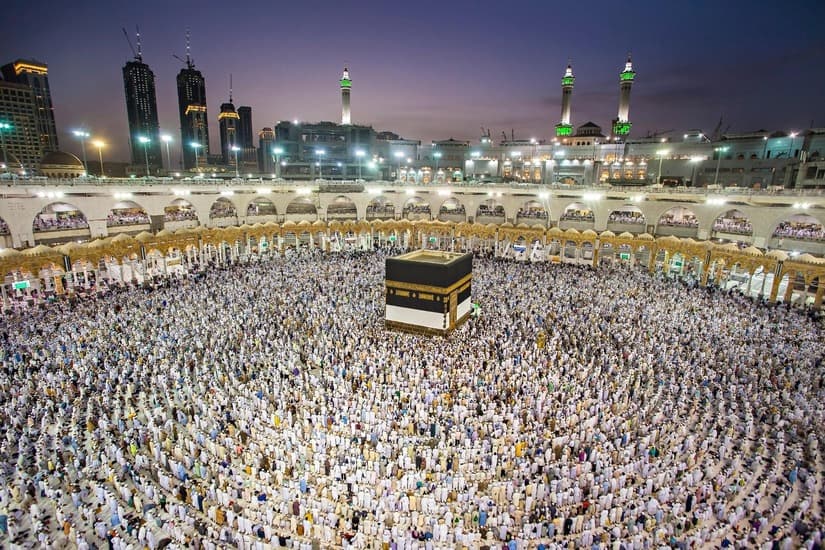
Hajj packages in Qatar for the 1448 AH pilgrimage season range from QR22,000 to QR100,000, depending on accommodation, room occupancy and the services included, according to Hajj tour operators. Approved pilgrims can also arrange instalment payments with participating operators, offering greater flexibility in managing the cost of performing Hajj in 2027.

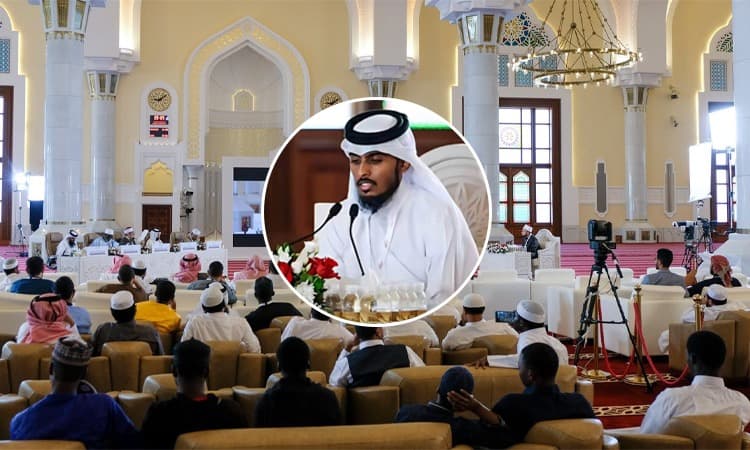
The details were discussed during an episode of the television programme Hiwar Al Watan, featuring Ibrahim Mohammed Al Naama, Head of the Coordination and Follow-up Section at the Ministry of Awqaf and Islamic Affairs' Department of Hajj and Umrah Affairs. Representatives of three Hajj operators also explained package prices, accommodation arrangements, registration requirements and refund procedures.

Qatar Hajj package prices and instalment options

Hajj operators confirmed that available packages cover different accommodation and service categories, with prices starting at QR22,000 and reaching QR100,000. More affordable economy packages were introduced during the previous Hajj season, providing pilgrims with an alternative to higher-priced arrangements.

The operators participating in the discussion were Jassim Al Hardan, owner of Al Tawba Hajj Campaign; Mohammed Al Hammadi, owner of Al Hammadi Hajj Campaign; and Ahmed Al Mulla, owner of Taiba Hajj Campaign.

The main package and payment details include:

  • Economy Hajj packages: Starting from QR22,000.
  • Higher-priced packages: Up to QR100,000, depending on accommodation and services.
  • Instalment payments: Available through arrangements with individual Hajj operators.
  • Payment example: A QR25,000 package could be paid through five monthly instalments of QR5,000.
  • Room categories: Single, double, triple and quadruple accommodation.
  • Price approval: Package rates are reviewed by the Ministry of Awqaf and Islamic Affairs before approval.

Al Naama explained that the ministry requires Hajj operators to submit proposed prices for different room categories each year. These rates are compared with the previous season's prices before being approved.

Why do Hajj packages cost up to QR100,000?

Accommodation is one of the largest expenses affecting Hajj package prices, particularly for hotels located close to the Grand Mosque in Makkah. According to operators, securing a single hotel room in the central area during the pilgrimage season can cost between QR70,000 and QR100,000.

Hotels located farther from the Grand Mosque generally offer less expensive accommodation. Sharing a room with other pilgrims can also reduce the individual cost, making double, triple and quadruple occupancy arrangements more economical than private rooms.

Operators explained that Hajj packages for pilgrims travelling from Qatar must cover several essential services, including international flights, local transportation, meals, accommodation in Makkah and facilities at the holy sites.

The main services included in Hajj arrangements cover:

  • Hotel accommodation: For the required pilgrimage period from Dhul Hijjah 4 to 14.
  • International flights: Air travel between Qatar and Saudi Arabia.
  • Transportation: Travel arrangements during the pilgrimage.
  • Meals: Food services included in the contracted package.
  • Holy site accommodation: Facilities at Mina, Arafat and Muzdalifah.
  • Religious guidance: Support from scholars accompanying pilgrims.

The operators clarified that shortening the duration of an individual pilgrim's stay does not necessarily result in a lower package price. This is because hotel bookings and other contracted services generally cover the full required pilgrimage period.

QR10,000 advance payment required for approved pilgrims

Approved Hajj applicants in Qatar must make an advance payment of QR10,000 per person online before completing registration with their chosen Hajj campaign, according to the Ministry of Awqaf and Islamic Affairs.

Al Naama clarified that the QR10,000 payment is included in the overall Hajj package price and is not an additional fee. The ministry transfers the amount through the Saudi electronic Hajj system to cover advance payments for services at the holy sites.

Once an applicant receives approval, they are given one week to select and register with a Hajj campaign. The ministry's registration timetable is linked to deadlines established by Saudi authorities, including the requirement to issue Hajj permits by January 1, 2027.

Qatar Hajj quota for 2027: 4,400 places

Qatar's allocation for the upcoming Hajj season is 4,400 places, including administrative personnel and members of the official Hajj mission.

The announced allocation includes:

  • Qatari citizens: 4,000 places.
  • Qatar residents: 400 places.
  • Total allocation: 4,400 places, including official mission personnel and administrative staff.

The selection process gives priority to applicants who have not previously performed Hajj. Authorities also consider elderly applicants and relevant family circumstances when determining approvals.

The ministry began the registration process early to comply with Saudi Arabia's timetable for organising the pilgrimage. Approved applicants must complete the required payment and campaign selection procedures within the applicable deadlines.

Hajj cancellation and QR10,000 refund rules

The Ministry of Awqaf and Islamic Affairs also explained the circumstances under which pilgrims can recover their advance payments if they cancel their pilgrimage arrangements.

The main refund conditions are:

  • Before Saudi system registration: The QR10,000 advance payment can be refunded in full.
  • After Saudi system registration: A QR300 deduction applies when processing the refund.
  • After registration closes: Recovering payments becomes more difficult, particularly if a replacement pilgrim cannot be found.
  • Committed service payments: Refunds may be affected when accommodation, flights and other services have already been paid for.

Al Naama said the ministry is considering introducing a reserve list of pilgrims for future seasons. Such a system could allow an approved applicant who withdraws to be replaced by another eligible person.

The proposed arrangement could make cancellations easier to manage and reduce potential financial losses for pilgrims and Hajj operators. However, the reserve-list mechanism remains under consideration and has not been announced as an implemented procedure.

Equal services at Mina, Arafat and Muzdalifah

Despite significant differences in package prices, the ministry confirmed that essential services at the holy sites have been standardised across Qatar's Hajj campaigns.

Pilgrims are provided with the same standard of services at the designated locations in Mina, Arafat and Muzdalifah, regardless of whether they have chosen an economy or higher-priced package.

Facilities include air conditioning, beds and other necessary amenities. Hajj operators also arrange religious guidance through scholars who accompany pilgrims during the pilgrimage.

Al Naama added that Hajj operators had agreed to absorb a slight increase in the cost of services at the holy sites instead of passing the additional expense on to pilgrims.

How Qatar monitors Hajj operators and handles complaints

The Ministry of Awqaf and Islamic Affairs conducts inspections of Hajj campaign offices in Doha to verify that contracts are complete and that the services promised to pilgrims correspond to their agreements.

During the pilgrimage, ministry field teams monitor service quality and conduct unannounced inspections of accommodation facilities in Makkah. They also follow up on complaints concerning the services provided by Hajj operators.

A dedicated call centre operates 24 hours a day during the pilgrimage to assist pilgrims, respond to complaints and coordinate requests involving medical assistance and other services.

Pilgrims can also submit enquiries and complaints through the ministry's official website and authorised communication channels. These monitoring arrangements are intended to protect pilgrims' rights and ensure that operators fulfil their contractual obligations.

Disclaimer: Hajj package prices, accommodation arrangements, instalment plans and refund conditions may vary between approved operators and individual contracts. The QR25,000 instalment example is illustrative and does not guarantee that every operator offers identical terms. Applicants should verify current requirements, approved prices, payment deadlines and cancellation policies directly with the Ministry of Awqaf and Islamic Affairs and their selected authorised Hajj operator before making payments.

Join us on WhatsApp and Facebook

Kuwait introduces new exchange company rules with KD10 million capital requirement

Kuwait introduces new exchange company rules with KD10 million capital requirement

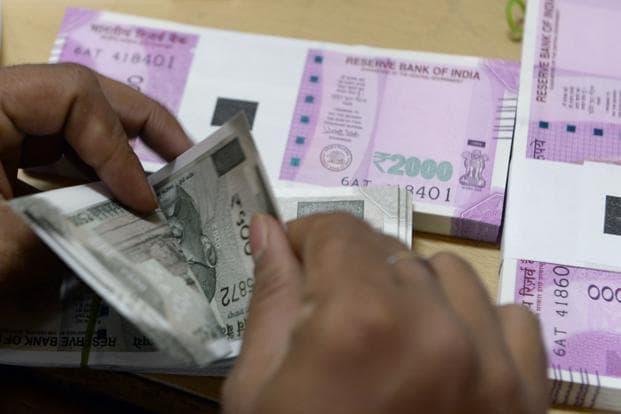
The Central Bank of Kuwait (CBK) has introduced new regulations governing the establishment, ownership and supervision of exchange companies, requiring qualifying businesses to maintain paid-up capital of at least KD10 million. The updated framework, effective November 25, 2026, also establishes stricter requirements for shareholders, board members and senior executives to strengthen oversight and compliance across the financial sector.

Under the revised regulations, exchange businesses must operate as joint-stock companies, while existing companies registered with the Central Bank will have up to one year to bring their operations into compliance. The changes cover minimum capital, corporate governance, management qualifications, financial integrity, anti-money laundering controls and licensing procedures.

The new framework distinguishes between companies providing a broad range of exchange and financial services and those limited to currency trading. Businesses seeking to engage in currency exchange, travellers' cheques, remittances, precious metals trading and the collection of cheques or transfers drawn on foreign institutions must maintain issued and fully paid-up capital of at least KD10 million.

Companies whose activities are limited to buying and selling currencies must have a minimum issued and fully paid-up capital of KD5 million. The regulations also specify an additional capital requirement of KD250,000 for each new branch an exchange company intends to establish and for licensing a mobile exchange vehicle.

The Central Bank said the changes are intended to modernise the regulatory framework in response to economic and financial developments. They also seek to address issues identified through the practical application of previous regulations and ensure exchange companies operate within their authorised activities.

Existing exchange companies registered with the Central Bank must satisfy the requirements applicable to their operations within a transition period not exceeding one year. The revised regulations replace earlier rules and instructions that conflict with the new framework.

The rules also require exchange companies to adopt commercial names that clearly reflect their authorised currency exchange and money transfer activities. Company names must be appropriate to the nature and purpose of the business.

New governance and management requirements

Following conversion into joint-stock companies, exchange businesses must establish boards of directors appropriate to their size and activities. The Central Bank requires a clear governance structure defining management responsibilities, supervisory powers and internal controls.

Companies must also establish specialised functions or units, including internal audit and compliance, with clearly defined responsibilities. Board composition should reflect a suitable range of professional skills and experience to support effective decision-making and oversight.

Candidates for board membership must satisfy specified professional qualification or experience requirements. Those holding university degrees in economics, law, administration or technology must have at least three years of relevant professional experience, including experience in banking or finance. Candidates with other university degrees must have at least five years of banking or financial experience.

Applicants holding qualifications from specialised applied institutes in economics, law, administration or technology must have five years of relevant experience. Those with other applied qualifications must demonstrate at least seven years of experience in banking or finance.

The Central Bank also recognises alternative routes to board eligibility. These include at least three years of board membership in recognised local or foreign banks, financial institutions or public financial or economic bodies, or three years in relevant senior banking or financial positions. Combined experience in board membership and senior financial management may also satisfy the three-year requirement.

Businesspeople with at least 10 years of experience operating licensed commercial, economic or financial activities may also qualify where the Central Bank considers their experience relevant to exchange company governance. Candidates appointed after a company's establishment must complete the prescribed board nomination application.

Minimum qualifications for exchange company executives

The updated regulations establish minimum educational and professional requirements for key management positions. Exchange companies must appoint qualified personnel to oversee general management, internal auditing, regulatory compliance and anti-money laundering procedures.

A general manager must hold a university qualification in economics, law, administration or technology and possess at least 10 years of experience in exchange businesses, banking, investment companies or finance companies. A deputy general manager must have a relevant university qualification and at least seven years of experience in those sectors.

Heads of internal audit units must hold a relevant university degree and have at least five years of professional experience in internal auditing. Heads of compliance monitoring units must also possess appropriate university qualifications and at least five years of experience relevant to their responsibilities.

The head of the anti-money laundering and counter-terrorism financing compliance unit must have a relevant university qualification and at least five years of suitable experience. The position must operate in accordance with applicable legislation, ministerial decisions and Central Bank instructions on preventing money laundering and terrorist financing.

The Central Bank may grant an exception to the university qualification requirement where a candidate's experience and professional competence justify such an exemption. It may also conduct interviews or take other measures to assess the technical and leadership capabilities of candidates proposed for senior positions.

Financial integrity rules for shareholders and directors

The revised framework introduces financial soundness and integrity requirements for board members and individuals holding senior management or executive positions. Candidates must demonstrate good professional standing and satisfy the Central Bank's prescribed suitability standards.

The conditions include restrictions relating to previous convictions for offences involving dishonesty or breaches of trust, declarations of bankruptcy, incidents of payment default and inclusion on United Nations or domestic asset-freezing lists.

Shareholders holding 5% or more of an exchange company's ownership must satisfy similar integrity requirements and demonstrate sufficient financial capacity. They must also disclose the ultimate beneficial owner of their shares, the source of the funds used for the investment and the purpose and justification for acquiring the ownership stake.

These requirements apply when a new investor seeks to acquire at least 5% of an exchange company or an existing shareholder intends to increase their holding to that threshold or above. The relevant parties must submit the prescribed application for changes to shareholder ownership.

How to establish an exchange company in Kuwait

The revised licensing process begins with applicants completing the official exchange company establishment application and submitting it to the Ministry of Commerce and Industry. After reviewing the application for completeness, the ministry forwards the documents to the Central Bank of Kuwait.

The Central Bank then examines the application and supporting documents, taking into account market demand for a new exchange company and whether its proposed activities comply with the relevant ministerial regulations governing the sector.

If the application is approved, the Central Bank issues preliminary approval valid for six months. During this period, the founding shareholders must proceed with the establishment procedures and submit the required nominations for board members and senior executive positions.

Companies that fail to undertake the necessary establishment procedures within the initial approval period may be required to submit a new application. However, where substantial progress has been demonstrated and the Central Bank is satisfied with the founders' commitment, it may allow an additional period of up to three months to complete the outstanding requirements and apply for registration.

Before registration, the company must prepare its business premises, appoint employees, complete its opening financial statements and obtain the required commercial licence. Its memorandum of association and articles of association must also be authenticated by the Ministry of Justice.

Documents required for Central Bank registration

Once the establishment procedures are completed, the company must submit a formal application for inclusion in the Central Bank's exchange company register. The application must be accompanied by the authenticated incorporation documents, a copy of the commercial licence and opening financial statements approved by an auditor.

Applicants must also submit a bank certificate confirming the remaining capital balance after establishment and preparation expenses. The founding shareholders must provide an undertaking not to withdraw capital funds at any time or in any form.

A separate written undertaking is required confirming compliance with the legislation, ministerial decisions and Central Bank instructions governing exchange companies, particularly those concerning anti-money laundering and counter-terrorism financing.

Following approval, the Governor of the Central Bank issues a decision registering the company in the official exchange company register. The registration decision is published in the Official Gazette, and both the Ministry of Commerce and Industry and the company are notified that the business may begin its authorised activities.

The Central Bank subsequently assumes direct regulatory supervision of the registered exchange company. The updated framework is intended to strengthen financial stability, improve operational professionalism and raise the standard of services provided by exchange businesses in Kuwait.

Join us on WhatsApp and Facebook