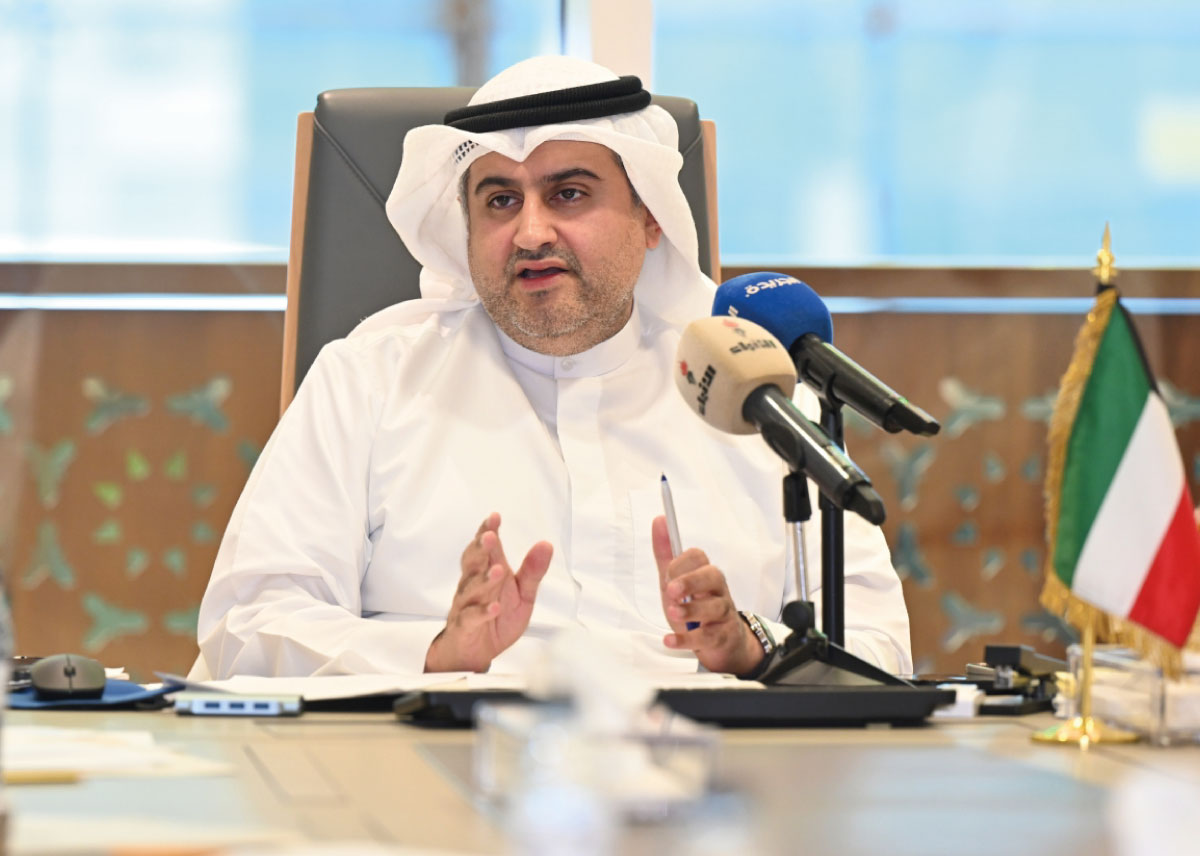
Kuwait's Public Authority for Anti-Corruption (Nazaha) is reviewing proposed changes to its founding legislation to strengthen its powers, institutional independence and ability to prevent, detect and combat corruption. The initiative involves cooperation with the International Anti-Corruption Academy (IACA) and draws on international legislative experience and established anti-corruption practices.
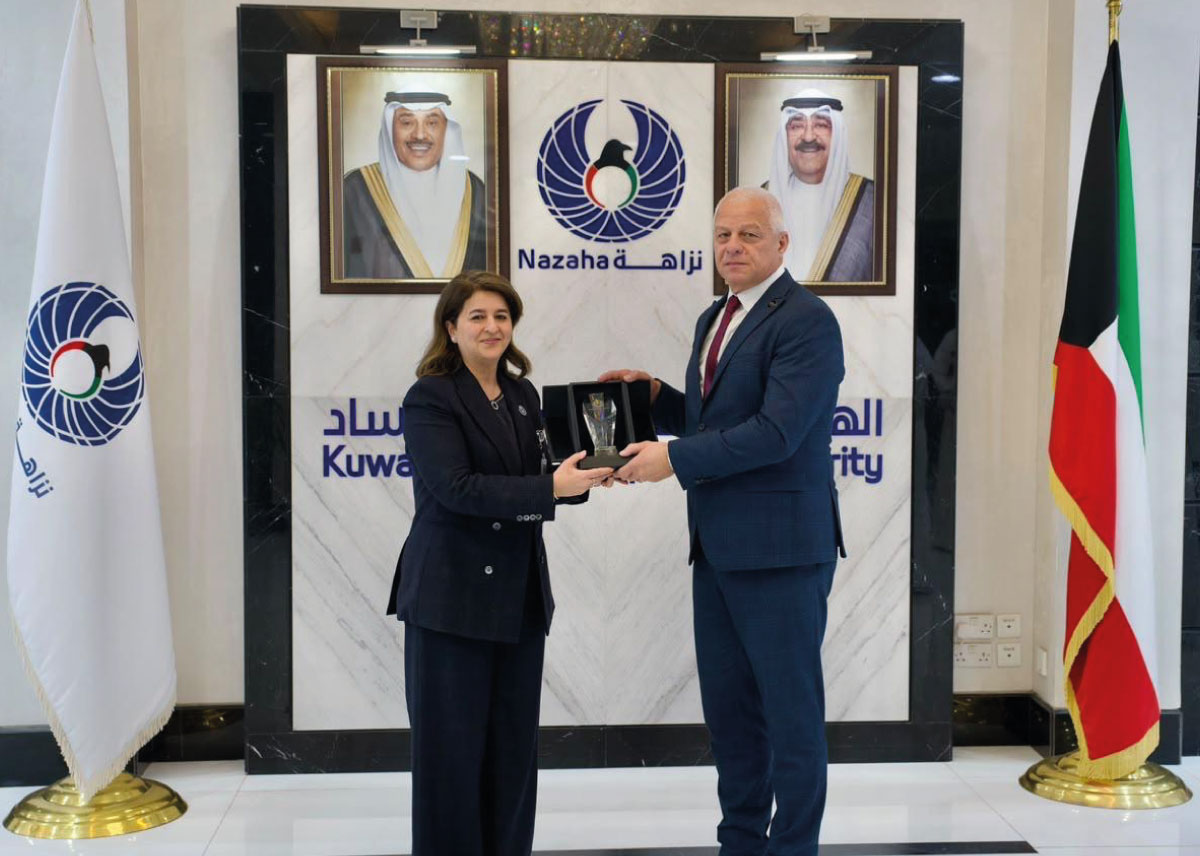
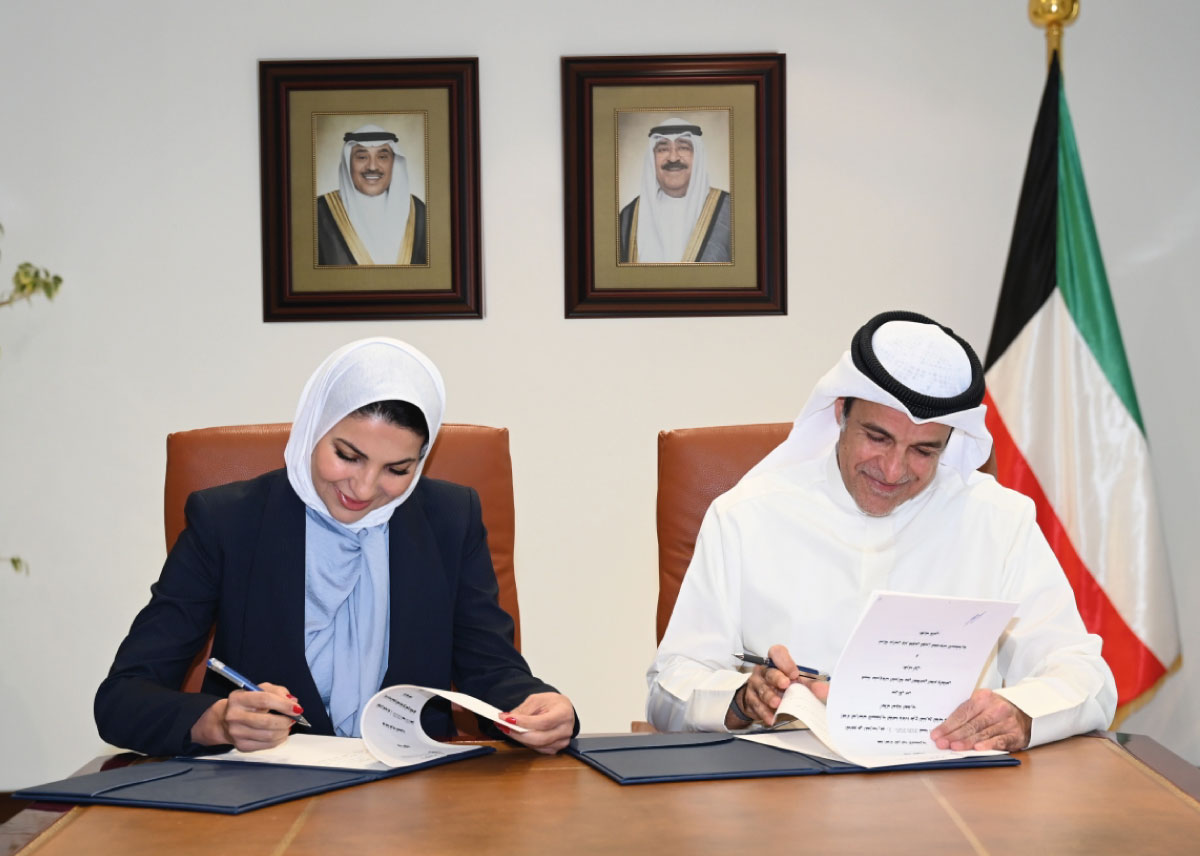
Nazaha Chairperson Dr Rana Abdullah Al-Fares discussed the initiative during a meeting with IACA Dean Drago Kos in Kuwait. The discussions focused on technical and academic assistance, legislative reform, advanced monitoring technologies and specialised training for Kuwaiti professionals, as part of efforts to modernise the country's anti-corruption framework.
Nazaha reviews Law No. 2 of 2016
Al-Fares confirmed that Nazaha is working to review and develop Law No. 2 of 2016 and its amendments, which establish the authority's legal framework. The proposed changes are intended to improve its institutional capabilities and ensure that its responsibilities and powers remain effective in addressing emerging forms of corruption.
She explained that the review extends beyond amending individual legal provisions. It forms part of a broader strategy to strengthen Nazaha's operational independence, improve its legal and procedural tools, protect public funds and reinforce transparency and accountability across public institutions.
The authority intends to examine successful legislative models from other countries while ensuring that any proposals remain consistent with Kuwait's Constitution and legal system. Al-Fares also stressed the importance of aligning the reforms with Kuwait's commitments under the United Nations Convention against Corruption.
International expertise to support legislative proposals
Al-Fares welcomed the technical and academic assistance offered by IACA, describing international cooperation as an important component of Kuwait's efforts to modernise its anti-corruption legislation and institutional procedures.
Nazaha Vice Chairman Professor Dr Majed Mohammed Al-Daihani said international experience could help the authority evaluate its existing powers, identify areas requiring improvement and develop more effective mechanisms for addressing different forms of corruption.
He emphasised that the objective is not to reproduce foreign legislation without modification. Instead, Kuwait intends to identify successful international approaches and adapt them to its constitutional requirements, legal traditions and institutional arrangements.
The review will also examine the adequacy of Nazaha's current investigative, preventive and administrative procedures. Al-Daihani said improving these mechanisms could strengthen coordination with relevant national authorities and increase the effectiveness of corruption prevention and detection.
Artificial intelligence and digital monitoring discussed
The meeting also explored opportunities to incorporate modern technologies into anti-corruption operations, particularly artificial intelligence and advanced data analysis tools.
The main areas of potential cooperation include:
- Legislative development: Reviewing Nazaha's founding law and preparing proposals based on international practices.
- Institutional independence: Examining legal frameworks that could strengthen the authority's responsibilities and operational effectiveness.
- Corruption measurement: Using scientific methodologies to assess corruption risks and evaluate anti-corruption policies.
- Artificial intelligence: Exploring AI tools for analysing data and identifying potential indicators of corruption.
- Digital oversight: Strengthening electronic monitoring systems and risk detection capabilities.
- Professional training: Expanding access to specialised academic and professional programmes for Kuwaiti personnel.
- Institutional coordination: Improving cooperation between Nazaha and other national authorities responsible for combating corruption.
The discussions addressed how digital technologies could support the identification of suspicious patterns and corruption risks. However, the authority did not announce a confirmed timetable for introducing particular AI systems or new digital monitoring arrangements.
Both sides also discussed developing training programmes tailored to Nazaha's operational requirements. The proposed cooperation would allow Kuwaiti professionals to benefit from IACA's academic resources, technical expertise and specialised capacity-building programmes.
IACA delegation builds on Kuwait's international cooperation
Drago Kos has extensive experience in international anti-corruption and governance initiatives. He previously chaired the Council of Europe's Group of States against Corruption (GRECO), the Organisation for Economic Co-operation and Development's Working Group on Bribery in International Business Transactions, and Slovenia's Commission for the Prevention of Corruption.
His visit followed an earlier delegation visit led by Al-Fares to IACA's headquarters in Laxenburg, Austria. The visit took place on the sidelines of Kuwait's participation in a special session of the Conference of the States Parties to the United Nations Convention against Corruption, held in Vienna during November 2026.
During that visit, the Kuwaiti delegation reviewed the academy's educational activities, technical assistance services, research programmes and professional training opportunities. The discussions helped identify areas where international expertise could support Kuwait's legislative and institutional development.
Kuwait and IACA maintain decade-long partnership
Kuwait has maintained cooperation with the International Anti-Corruption Academy for more than a decade. The country joined the agreement establishing IACA as an international organisation under Decree No. 325 of 2014 and has continued participating in the academy's Assembly of Parties.
In December 2017, Nazaha hosted IACA's third regional programme for the Middle East, reflecting Kuwait's participation in regional and international efforts to exchange expertise and strengthen professional capabilities in combating corruption.
Nazaha said the latest discussions represent another step towards translating international cooperation into practical initiatives. The authority intends to continue reviewing its legislative and institutional framework to strengthen corruption prevention, improve accountability and support public confidence in government institutions.
The proposed reforms remain under review, with no final legislative amendments or implementation dates announced. Any changes to Nazaha's statutory powers would require completion of the applicable legislative procedures.