

Qatar's KAHRAMAA signs over QR3 billion in electricity and water contracts

Qatar's KAHRAMAA signs over QR3 billion in electricity and water contracts

Qatar General Electricity and Water Corporation (KAHRAMAA) has signed contracts worth more than QR3 billion to develop and expand the country's electricity and water infrastructure. The agreements involve five national and five international companies and are intended to strengthen network capacity, improve service reliability and support Qatar's growing infrastructure requirements.

The contracts were signed on Thursday as part of KAHRAMAA's ongoing programme to modernise electricity and water transmission and distribution systems. According to the corporation, the projects will help meet increasing demand resulting from urban expansion, support national development initiatives and provide essential services to land plots allocated to Qatari citizens.

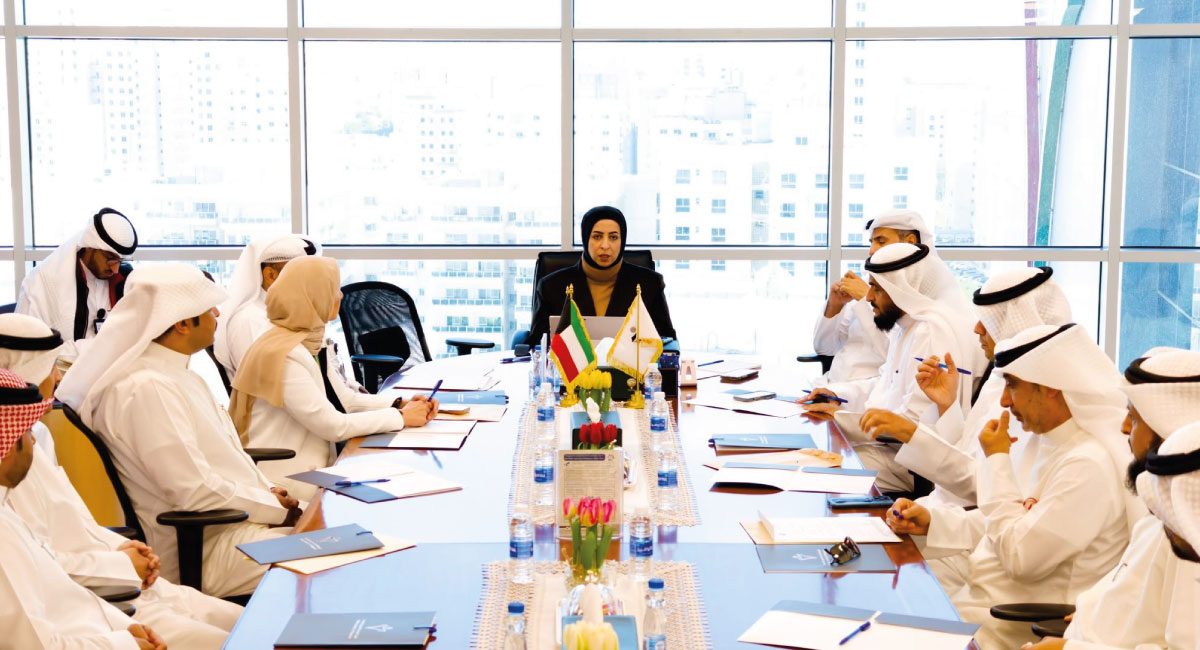
The signing ceremony was attended by officials, sector directors and department heads from KAHRAMAA. The agreements cover strategic infrastructure projects aimed at improving the efficiency and reliability of electricity and water networks across the country.

The corporation explained that the developments are necessary to ensure its networks can accommodate both existing demand and future growth. The projects will focus on expanding infrastructure and strengthening the systems required to deliver electricity and water services in line with Qatar's ongoing urban development.

A key objective is to provide the necessary utility infrastructure for residential land plots allocated to citizens. KAHRAMAA said the projects will support the provision of electricity and water services according to high standards of quality, operational efficiency and reliability.

The corporation also highlighted the participation of Qatari companies in the contracts, describing their involvement as part of its commitment to supporting the private sector and increasing its contribution to major infrastructure projects.

The five national companies participating in the projects are El Sewedy Cables, Al Ajaj Company Ltd, Hexa Tech International for Trading and Contracting, Voltage Engineering Ltd and Al Waha Contracting and Trading.

The five international companies involved are Larsen & Toubro, Taihan Cable & Solution, LS Cable & System Ltd, Lahmeyer International GmbH and Energoprojekt Entel Ltd.

The participation of both national and international contractors reflects KAHRAMAA's approach to implementing large-scale infrastructure developments through cooperation with specialised companies.

KAHRAMAA President Eng. Abdullah bin Ali Al Thiab said the agreements demonstrate the corporation's commitment to continuously developing Qatar's electricity and water networks while improving their efficiency and reliability.

He explained that expanding infrastructure and developing networks serving residential land plots are important priorities as Qatar continues to experience urban and economic development.

Al Thiab also emphasised the role of national companies in implementing strategic projects. He said their participation supports private-sector development and aligns with the objectives of Qatar National Vision 2030, which seeks to strengthen the private sector's contribution to the country's development.

KAHRAMAA reaffirmed its commitment to modernising electricity and water transmission and distribution systems to meet rising service requirements. The corporation said the projects will contribute to sustainable infrastructure development and help prepare its networks for Qatar's future needs.

The agreements represent an investment of more than QR3 billion in essential utility infrastructure, supporting the expansion of reliable electricity and water services for residential developments and other areas affected by the country's continued growth.


Join us on WhatsApp and Facebook

UAE weekly news roundup: National Day holidays, Dubai mega airport and more

UAE weekly news roundup: National Day holidays, Dubai mega airport and more

The UAE has announced several major developments ahead of its 55th Eid Al Etihad celebrations, including a five-day holiday for Dubai government employees, extended breaks for educational institutions and progress on the $35 billion Al Maktoum International Airport expansion. Transport infrastructure, tourism attractions and public safety developments have also featured prominently in recent news.

Other significant stories include the opening of an eight-lane bridge in Sharjah, a natural phenomenon illuminating a beach in Khorfakkan, developments following a deadly Fujairah road accident and a prize win for an Indian expatriate. International headlines involving American banks and a record-setting performance by Tiger Woods' son also attracted attention.

Dubai announces Eid Al Etihad holidays

Dubai government employees will receive a five-day break for the UAE's 55th Eid Al Etihad celebrations. The Dubai Government Human Resources Department announced that government departments, authorities and institutions will observe holidays from Wednesday, December 2, through Friday, December 4, 2026. Combined with the weekend, the break will run for five consecutive days, with work resuming on Monday, December 7. Essential public services will continue through appropriate staffing arrangements.

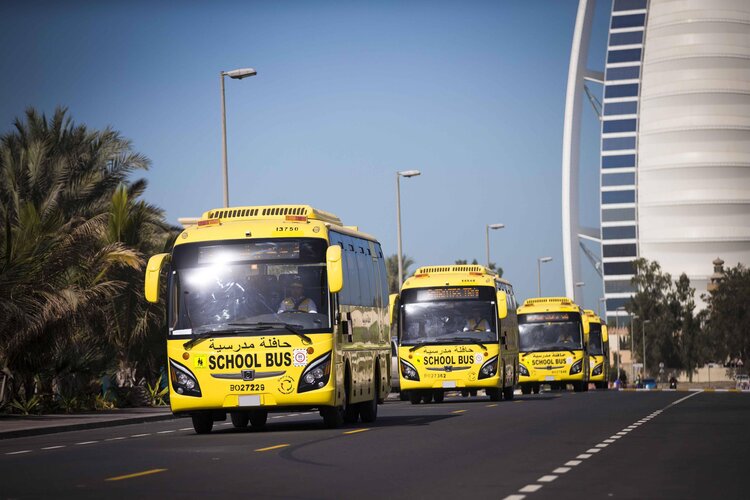
Dubai's private schools and universities will also close from December 2 to 4, allowing students to enjoy a five-day break when the weekend is included. Classes are scheduled to resume on Monday, December 7. Early childhood centres will close on December 2 and 3, while an additional closure on December 4 will depend on families' needs and institutional arrangements.

Residents planning their annual leave for 2027 may be able to combine 12 days of approved annual leave with public holidays and weekends to create 37 days off across four separate breaks. For example, taking annual leave from January 4 to 8 could create a 10-day holiday from January 1 to 10. However, Islamic holiday dates remain subject to moon sighting, and all annual leave arrangements require employer approval.

Dubai's $35 billion airport project advances

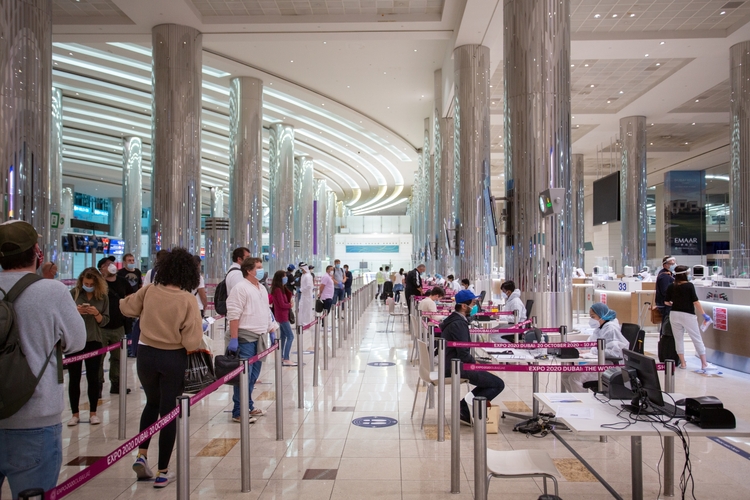
More than 100,000 workers are involved in the development of Al Maktoum International Airport, according to Dubai Airports CEO Paul Griffiths. The expansion project, valued at approximately $35 billion (Dh128 billion), is progressing with piling and groundwork activities. The first phase is targeted for opening in 2032, when aviation operations are planned to shift from Dubai International Airport (DXB) to the expanded facility.

The long-term development plan includes five runways and the capacity to accommodate up to 260 million passengers annually. The project is intended to significantly increase Dubai's aviation infrastructure capacity and support future passenger and cargo demand.

Meanwhile, Sharjah has opened a new eight-lane bridge at the entrance to Al Dhaid in the emirate's Central Region. Developed under the directives of Sheikh Dr Sultan bin Mohammed Al Qasimi, Ruler of Sharjah, the 320-metre bridge can accommodate up to 6,000 vehicles per hour.

Underpasses connect Jabal Omar, Al Tayyiba and Tall Al Zaafaran. The bridge represents the first phase of a wider development that includes a lake, with completion targeted for the third quarter of 2027.

Khorfakkan beach attracts attention for natural blue glow

Visitors to Al Luluyah Beach in Khorfakkan have an opportunity to observe a natural blue glow along the shoreline on Thursdays, Fridays and Saturdays between 8pm and 9pm. Researchers at the University of Khor Fakkan identified the phenomenon as bioluminescence produced by Noctiluca scintillans, commonly known as sea sparkle. The organism emits flashes of blue light when disturbed by wave movements, creating an unusual nighttime coastal display. Nearby lighting is scheduled to be temporarily switched off to improve visibility.

In Fujairah, authorities have continued investigations into a serious multi-vehicle collision that killed 14 people and injured 30 others on Sheikh Khalifa bin Zayed Road towards Fujairah during the early hours of November 12. The deceased included 10 Emirati nationals and four Indian nationals. The Federal Public Prosecution ordered technical examinations and inspections to determine the cause of the accident. UAE leaders expressed their condolences, while Sheikh Mohammed bin Hamad Al Sharqi, Crown Prince of Fujairah, visited affected families.

A Sharjah-based Indian expatriate also made headlines after winning Dh25,000 in Big Ticket's first weekly electronic draw for November. Ardra Kizhakke Chethil, a 27-year-old building administrator from Kerala, purchased the winning ticket as part of a group of 10 participants who had been trying their luck for several years. The ticket was the first registered in her name, and the group plans to divide the prize equally.

International headlines: Golf record and US banking disruptions

Charlie Woods, the 17-year-old son of golf legend Tiger Woods, recorded a five-under-par 67 at the Florida high school state golf championships. The performance was reported as the lowest round recorded by a Benjamin School golfer at the event. His mother, Elin Nordegren, congratulated him near the 18th green, and he eventually finished fifth in the tournament.

Several major US banks experienced service disruptions on November 16, affecting customers attempting to access accounts and complete financial transactions. JPMorgan Chase was reported to be the most heavily affected, while Bank of America, Capital One and U.S. Bank also experienced problems. Customers reported difficulties logging into online banking platforms, checking balances and processing transactions.

Chase attributed its disruption to a technical issue and said it was not caused by a cyberattack. The causes of the problems reported by other banks had not been established in the information available. The incidents highlighted the inconvenience caused when essential digital banking services become temporarily unavailable.

Disclaimer: Holiday arrangements, public service schedules, infrastructure completion targets and visitor activities are based on the announcements and reports described above. Dates and operational arrangements may change. Residents and travellers should confirm current information through the relevant government authorities, institutions and service providers.

Join us on WhatsApp and Facebook

UAE online shopping rules: New protections for buyers using third-party sellers

UAE online shopping rules: New protections for buyers using third-party sellers

Consumers shopping through online marketplaces in the UAE could have stronger legal protection when products are defective, services are misrepresented or third-party sellers fail to resolve complaints. New amendments to the country's consumer protection regulations expand the responsibilities of digital marketplace operators, making it harder for platforms to avoid accountability solely because an independent seller supplied the goods or services.

Cabinet Decision No. 166 of 2026 introduces changes covering products and services offered or sold through websites, mobile applications and other digital platforms. The decision amends Articles 9, 40 and 41 of Cabinet Decision No. 66 of 2023, the Executive Regulation of Federal Law No. 15 of 2020 on Consumer Protection. The amendments provide a broader legal framework for addressing disputes involving online marketplaces and third-party suppliers.

What has changed under the UAE online shopping rules?

Previously, the regulations focused on the responsibility of online platform operators for defects in goods sold by third-party suppliers through their websites or applications.

The amendments broaden this responsibility to cover a wider range of transactions and consumer interactions.

The two main changes are:

  • Goods and services: Marketplace responsibility now extends to both products and services supplied by third-party businesses.
  • Products offered for sale: The provisions cover goods and services offered through digital marketplaces, rather than being limited to completed sales.

The changes are particularly relevant to platforms that allow multiple independent retailers and service providers to advertise or sell through a single website or application. Although the third-party supplier may remain responsible for a transaction, the marketplace operator cannot automatically exclude itself from potential liability simply because another business supplied the product or service.

What happens if an online purchase is defective?

Consider a consumer who orders a washing machine through an online marketplace. The appliance is advertised on the platform but supplied by an independent retailer. After delivery, the customer discovers that the washing machine is defective.

If the marketplace directs the customer to the retailer and the issue remains unresolved, the amended regulations could provide a broader legal basis for pursuing the complaint against the marketplace operator. The consumer would not necessarily have to rely exclusively on obtaining a resolution from the independent seller.

The amended provisions may be relevant to disputes involving:

  • Incorrect product descriptions: Goods that do not match advertised specifications or features.
  • Defective products: Items that malfunction or fail to meet applicable quality requirements.
  • Damaged goods: Products received in an unacceptable condition.
  • Warranty disputes: Disagreements concerning warranty obligations and related services.
  • Refund requests: Cases where consumers seek repayment following a disputed purchase.
  • Replacement requests: Claims involving defective or unsuitable products.
  • Online services: Problems with services advertised, booked or purchased through digital platforms.

These protections could be particularly important when consumers purchase from unfamiliar sellers or businesses that do not respond adequately to complaints. The amendments strengthen the potential accountability of marketplace operators without automatically removing the responsibilities of individual suppliers.

Are UAE online shoppers guaranteed refunds or replacements?

The revised regulations do not guarantee that every consumer complaint will result in a refund, replacement or compensation.

Nor do they establish that an online marketplace will automatically be liable for every problem involving an independent seller.

The outcome of an individual dispute will depend on the circumstances of the transaction, the nature of the product or service, applicable contractual terms and the available evidence.

Consumers should therefore understand the conditions of their purchases and preserve relevant documentation.

Important records consumers should retain include:

  • Purchase invoices: Receipts showing the transaction amount and purchased items.
  • Order confirmations: Emails or notifications confirming the purchase.
  • Product screenshots: Copies of advertised descriptions, specifications and prices.
  • Warranty documents: Applicable warranty terms and supporting information.
  • Seller correspondence: Messages exchanged with the third-party supplier.
  • Customer service records: Complaints, responses and reference numbers issued by the marketplace.
  • Refund or replacement requests: Evidence of attempts to resolve the problem.

How consumers can protect their rights when shopping online?

Consumers experiencing problems with online purchases should first document the issue and contact the seller or marketplace through its official customer service channels. Clearly explaining the problem and providing supporting evidence may help establish the circumstances of the dispute.

If the matter remains unresolved, consumers can consider pursuing the complaint through the relevant consumer protection authority. The new amendments provide a broader framework for examining the responsibilities of digital marketplaces, although the appropriate resolution will depend on the particular case.

The changes under Cabinet Decision No. 166 of 2026 reflect an expansion of consumer protection responsibilities in the UAE's digital marketplace sector. They address both goods and services supplied by third parties and extend the relevant provisions to offers made through online platforms, providing consumers with additional grounds to seek accountability when transactions go wrong.

Disclaimer: This article provides general information about UAE consumer protection regulations and does not constitute legal advice. Rights, remedies and marketplace liability depend on the specific facts of each case and the applicable legislation. Consumers should consult the official legal provisions or relevant UAE consumer protection authorities for guidance on individual disputes.

Join us on WhatsApp and Facebook