



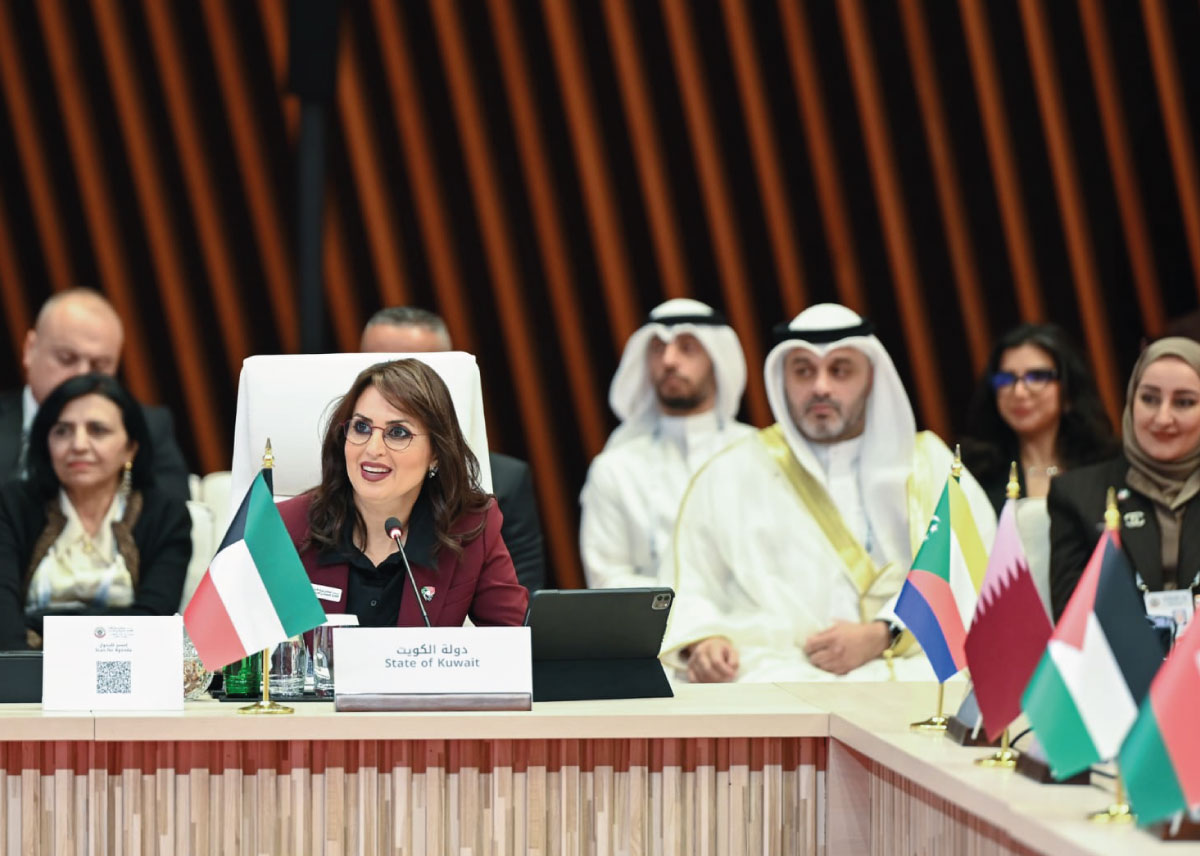
Kuwait has called for stronger coordination and information sharing among Arab countries to address growing cybersecurity threats and improve their collective ability to respond to digital attacks. Engineer Abeer Al-Awadhi, Head of Kuwait's National Cyber Security Center, said regional cooperation is essential to protecting national security and maintaining stability in an increasingly connected digital environment.
Al-Awadhi made the remarks on Thursday, November 26, 2026, during the opening of the third ordinary session of the Arab Cybersecurity Ministers Council in Doha, Qatar. The meeting brought together representatives of Arab countries to discuss cybersecurity cooperation, information exchange and strategies for responding to threats that extend beyond national borders.
Addressing the meeting, Al-Awadhi emphasised that the increasing complexity of cyber threats requires more than individual national efforts. She called for advanced coordination mechanisms that would enable participating countries to exchange information and strengthen their preparedness for potential attacks.
She explained that sharing intelligence about cyber threats plays an important role in improving the ability of Arab countries to respond collectively to security incidents. Such cooperation would help national cybersecurity authorities develop more coordinated responses and reduce the potential consequences of cyberattacks.
Al-Awadhi also highlighted the importance of exchanging lessons learned from previous incidents and drawing on the technical experience of participating countries. She said this cooperation could support the development of more effective cybersecurity policies and help establish a common understanding of acceptable cyber risk across the region.
The Kuwaiti official added that stronger regional coordination would contribute to maintaining the continuity of essential services and limiting disruptions caused by cyber incidents. She described cybersecurity as an important foundation for national stability and security in the digital era.
The meeting also focused on developing practical strategies to strengthen cybersecurity capabilities within individual Arab countries. Al-Awadhi said improving national preparedness would contribute to wider regional resilience and reinforce the ability of member states to address cross-border digital threats.
She expressed appreciation to Qatar and the General Secretariat of the Arab Cybersecurity Ministers Council for organising the meeting, while acknowledging the participating countries' commitment to strengthening regional cooperation. She also voiced hope that the discussions would lead to practical measures supporting shared cybersecurity objectives.
Qatar's National Cyber Security Agency President, Engineer Abdulrahman Al-Malki, also stressed the importance of international cooperation, explaining that cybersecurity can no longer be treated exclusively as a domestic responsibility.
Al-Malki highlighted progress made by the Arab Cybersecurity Ministers Council during its first two years, including the development of policies and strategies, improvements to regulatory frameworks, capacity-building initiatives and stronger exchanges of technical knowledge.
Representing the Arab League, Assistant Secretary-General and Head of Economic Affairs Ambassador Dr Ali Al-Malki addressed the rapid changes affecting the global digital and technological environment. Speaking on behalf of Arab League Secretary-General Nabil Fahmy, he highlighted the growing use of digital technologies, artificial intelligence and cloud computing.
He noted that these developments have created additional challenges involving cybersecurity, national security and the protection of critical infrastructure. The discussions reflected the need for countries to strengthen their ability to safeguard essential digital systems as technological dependence increases.
Arab Cybersecurity Ministers Council Secretary-General Dr Ibrahim Al-Furaih also reported progress in several priority areas of the council's work. He said the organisation had achieved developments supporting cooperation among Arab countries in cybersecurity.
The Doha meeting provided a platform for participating states to review their cybersecurity priorities and explore opportunities for closer coordination. Kuwait's contribution emphasised the importance of shared threat intelligence, practical national strategies and coordinated regional responses to emerging cyber risks.

 Photo: SPA






.jpg?w=1920&q=100)