Saudi Arabia’s non-oil revenues now cover approximately 37% of total government expenditure, compared with 16% in previous years, strengthening the Kingdom’s financial resilience and reducing its dependence on oil income. Finance Minister Mohammed Al-Jadaan said the improvement has helped the government maintain spending stability despite economic uncertainty and geopolitical challenges.
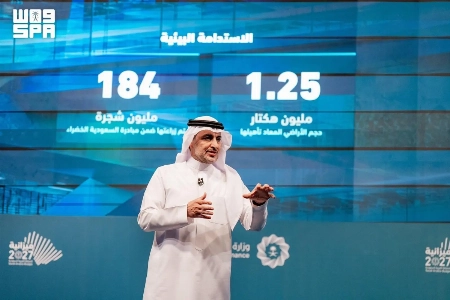
Speaking during a panel discussion at the Budget 2027 Forum organised by the Ministry of Finance, Al-Jadaan highlighted the government’s ability to manage financial pressures, maintain essential public services and support economic development. He also outlined measures taken to strengthen supply chains, manage budget deficits and prioritise spending that benefits citizens and residents.
The minister explained that the increase in non-oil revenues has reduced the impact of fluctuations in petroleum income on government expenditure. This provides greater predictability for public finances and enables authorities to develop more stable medium-term financial plans.
Al-Jadaan attributed the improvement partly to institutional reforms introduced over the past decade under Saudi Vision 2030. He said government entities have developed stronger capabilities in crisis management, economic analysis and decision-making, allowing them to respond more effectively to changing circumstances.
The Kingdom’s investment in infrastructure has also contributed to its ability to withstand disruptions, according to the minister. He noted that Saudi Arabia has faced several economic challenges over previous decades and has continued to strengthen its capacity to manage their consequences.
Despite global and regional pressures, Al-Jadaan said the Saudi economy continues to record growth in non-oil gross domestic product, consumer spending and private-sector investment. He linked this performance to government measures supporting businesses and limiting the effects of economic disruptions.
The minister stressed that improving citizens’ welfare remains a central government priority, alongside providing essential care and services to residents. He identified healthcare, public services, quality of life, business opportunities and employment creation as important areas of government spending.
Al-Jadaan also rejected the idea that responding to crises must come at the expense of essential services. He explained that the government’s financial and institutional capabilities allow it to address emergencies while continuing to meet the needs of the population.
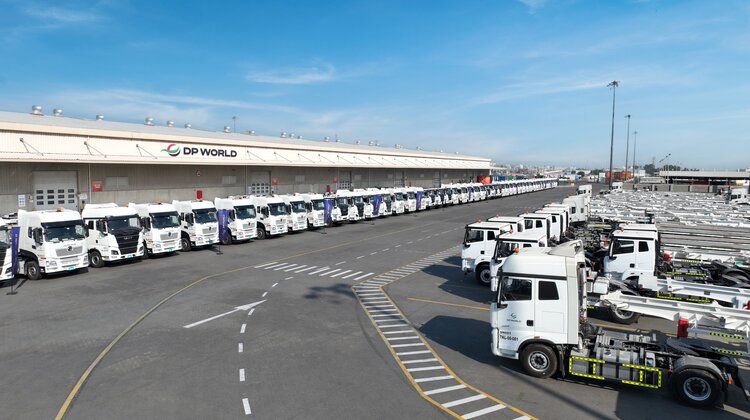
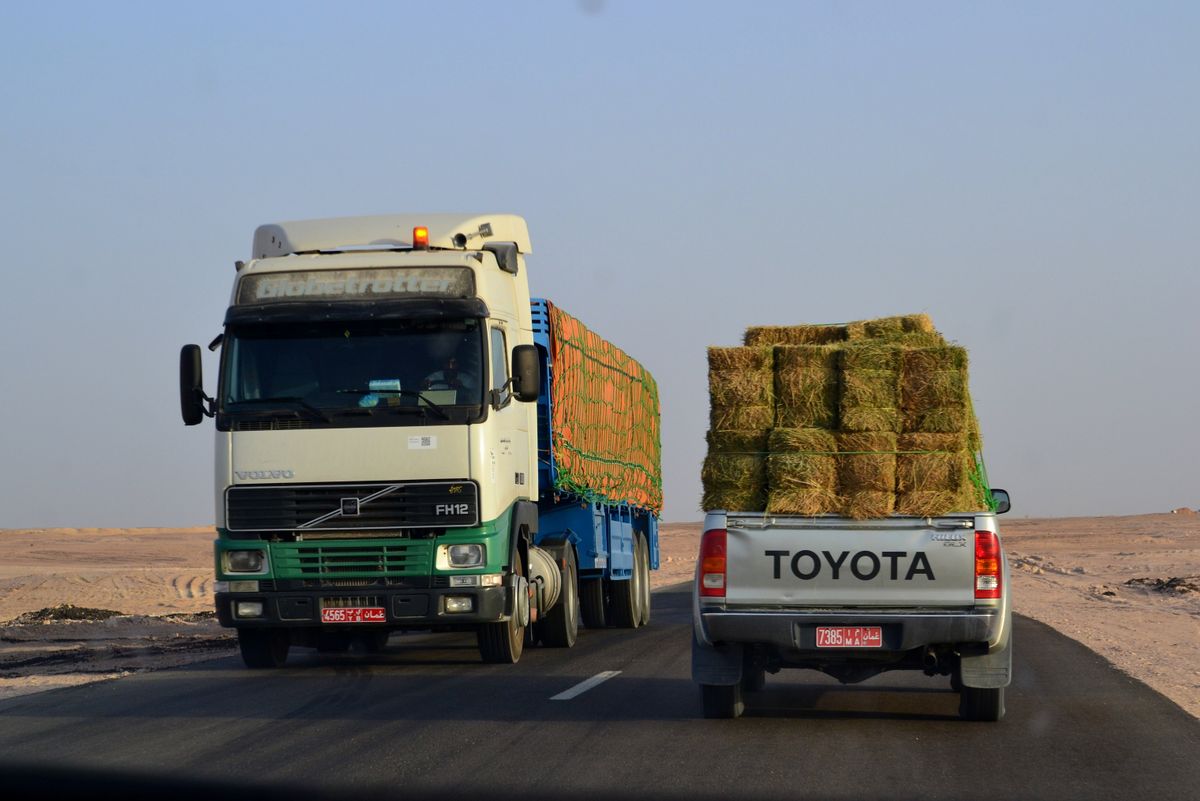
Addressing disruptions that began on February 28, 2026, the minister said the government had worked with the private sector to establish alternative logistics arrangements. These included redirecting shipments from ports in the Eastern Region to Red Sea ports and using the Kingdom’s railway network, highways and northern border crossings.
According to Al-Jadaan, these measures helped maintain the movement of goods and strengthened the resilience of national supply chains. The alternative transport arrangements supported the continued availability of essential products and services during the disruption.
The finance minister also discussed the government’s approach to budget deficits, explaining that borrowing and deficit spending can be justified when the expected economic and social benefits exceed the associated financing costs. He said such expenditure can contribute to economic diversification and the expansion of the Kingdom’s productive capacity.
Al-Jadaan confirmed that the government currently sees no need to draw on financial reserves. He noted that reserves have increased by approximately 20% since 2022, despite the government recording budget deficits during that period.
On national security, the minister stressed that the government has not imposed an upper limit on the financial support required by military and security institutions to defend Saudi Arabia and protect its citizens and residents.
At the same time, he praised government agencies, including the defence and security sectors, for improving spending efficiency and ensuring that public resources generate appropriate benefits. He emphasised that effective financial management remains important even when addressing essential national priorities.
Al-Jadaan said the government is also pursuing savings, rescheduling selected projects and restructuring programmes to direct resources towards areas with the greatest impact on people’s lives. These measures are intended to maintain essential services, improve living standards and strengthen the ability of military and security institutions to respond to threats.
The minister’s remarks highlighted Saudi Arabia’s continuing emphasis on fiscal flexibility, revenue diversification and spending efficiency under Vision 2030. By increasing non-oil revenue contributions and improving institutional capabilities, the government aims to maintain financial stability while supporting long-term economic growth and public service delivery.





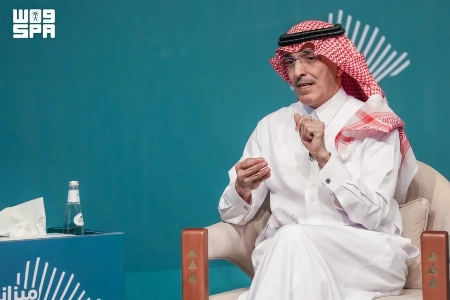 Photo: SPA



.jpg?w=1920&q=100)