


Qatar New Traffic Law

How Many Traffic Points Could Cost You Your Driving Licence in Qatar?

Your Qatar Driving Licence Could Be at Risk After Accumulating These Traffic Points

How Many Traffic Points Could Cost You Your Driving Licence in Qatar?

Qatar's new Traffic Law No. 19 of 2026 establishes a traffic points system under which drivers can lose their driving licences after accumulating points for proven traffic violations. Under Article 106, a driver faces a three-month licence withdrawal upon reaching 14 points for the first time, while repeated withdrawals carry progressively longer periods and lower points thresholds. A fifth withdrawal can result in the licence being withdrawn permanently, subject to conditions for obtaining a new licence.

The legislation, issued on 4 November 2026, sets out how traffic points are assigned, when driving licences may be withdrawn and the circumstances in which accumulated points are automatically removed. Articles 105–107, together with the traffic points schedule attached to the law, provide the framework for these measures. Here is what motorists in Qatar should know about the points system and its consequences.

1. How Does Qatar's Traffic Points System Work?

Article 105 defines the traffic points system as the allocation of a specified number of points for each traffic offence, according to the schedule attached to the legislation.

The number of points depends on the type of violation. More serious offences generally carry higher point values, while other violations carry fewer points or are not separately listed in the points schedule.

Under Article 106, the licensing authority records points for traffic offences where a final conviction has been issued or a legal settlement has been completed. It also records each occasion on which a driver's licence is withdrawn.

2. How Many Points Can Lead to Driving Licence Withdrawal?

Article 106 establishes five stages of driving licence withdrawal. The number of points required becomes lower after each withdrawal.

Withdrawal Points threshold Licence withdrawal period
First 14 points 3 months
Second 12 points 6 months
Third 10 points 9 months
Fourth 8 points 1 year
Fifth 6 points Permanent withdrawal, subject to conditions for obtaining a new licence

These thresholds apply to traffic offences committed by the driver and established against them in accordance with the law.

The system means that drivers with a previous withdrawal history can face further licence withdrawal after accumulating fewer points than were required for their first withdrawal.

3. First Withdrawal: 14 Points Means Three Months Without a Licence

A driver's first withdrawal occurs when their accumulated traffic points reach the initial threshold of 14.

Under Article 106, the driving licence is withdrawn for three months. The law does not require all 14 points to arise from a single traffic offence.

For example, the attached points schedule assigns seven points for running a red traffic signal, four points for reckless or dangerous driving and three points for driving an unlicensed motor vehicle. If these separate offences were established and the points recorded against the same driver, their combined total would be 14 points, reaching the first withdrawal threshold.

4. Second Withdrawal: The Threshold Falls to 12 Points

After a first licence withdrawal, the points required for a second withdrawal decrease.

If a driver subsequently accumulates 12 points and reaches the second threshold, Article 106 provides for a six-month licence withdrawal.

The consequence is more serious than the first withdrawal because both the required points threshold and the withdrawal period change. Drivers should therefore not assume that reaching 14 points is necessary every time their licence is at risk.

5. Third Withdrawal: 10 Points Can Result in Nine Months

For a driver who has already experienced two licence withdrawals, the third threshold is 10 points.

Reaching this threshold results in the driving licence being withdrawn for nine months under Article 106.

At this stage, a driver can face an extended period without a licence even though the applicable points threshold is lower than in the first two stages.

6. Fourth Withdrawal: Eight Points Can Mean One Year

The fourth withdrawal threshold is reduced to eight points.

Under Article 106, reaching eight points at the fourth stage results in the driving licence being withdrawn for one year.

This provision illustrates how the legislation treats repeated traffic offences. The number of points needed for further withdrawal decreases as the number of previous withdrawals increases.

7. Fifth Withdrawal: Six Points Can Lead to Permanent Withdrawal

The most serious stage of the points system applies when a driver reaches six points for the fifth withdrawal.

Article 106 provides for permanent withdrawal of the driving licence at this stage. However, the legislation also establishes conditions under which a new licence may subsequently be granted.

A driver whose licence has been withdrawn for the fifth time cannot obtain a new driving licence until at least one year has passed from the date of withdrawal and the driver has passed the test specified in Article 37.

Therefore, permanent withdrawal should not be confused with an unconditional lifetime prohibition on ever obtaining another licence. The law expressly provides a route to obtaining a new licence after the minimum period and required test, subject to the applicable legal conditions.

8. Which Traffic Violations Carry the Most Points?

The traffic points schedule attached to Law No. 19 of 2026 identifies the offences that attract points.

Among the highest-point offences are:

  • Running a red traffic light or disobeying the specified manual traffic signals: 7 points.
  • Driving against traffic on highways or ring roads: 6 points.
  • Driving under the influence of alcohol, drugs or other mind-altering substances: 6 points.
  • Reckless or dangerous driving that endangers lives or property: 4 points.
  • Driving a vehicle without functioning brakes or with defective brakes: 4 points.

Other offences carrying three points include driving a vehicle without the appropriate licence category, driving with a withdrawn or expired driving licence, operating an unlicensed motor vehicle, driving without number plates and deliberately obstructing traffic.

The schedule also assigns three points for parking in spaces designated for persons with disabilities, demonstrating that point-bearing offences are not limited to speeding or dangerous driving.

9. How Many Traffic Points Apply to Speeding in Qatar?

The new legislation specifies different point values according to how far a driver exceeds the prescribed speed limit.

The attached traffic points schedule establishes the following thresholds:

Speed above the prescribed limit Traffic points
More than 30 km/h 1 point
More than 40 km/h 2 points
More than 50 km/h 3 points
More than 60 km/h 4 points

These are progressively higher speeding categories. They should not be added together for the same speeding incident.

For example, exceeding the prescribed speed limit by more than 60 km/h falls within the four-point category, rather than attracting the combined total of all four categories.

The table concerns traffic points only. It does not replace the separate provisions governing monetary penalties, administrative measures or potential vehicle confiscation for specified serious speeding offences.

10. Other Common Violations That Carry Traffic Points

The law's points schedule also identifies several other violations that drivers should be aware of.

These include:

  • Driving on the road shoulder: 3 points.
  • Turning or reversing against the direction of traffic: 3 points.
  • Making unauthorised changes to essential vehicle components: 3 points.
  • Driving a vehicle producing disturbing noise: 3 points.
  • Driving with number plates that are unclear or unreadable: 2 points.
  • Allowing an unlicensed or improperly licensed person to drive a vehicle: 2 points.
  • Driving with only one required number plate or changing the position, colour or shape of issued plates: 1 point.
  • Failing to comply with road markings or traffic signs: 1 point.
  • Using unauthorised lights, loudspeakers or warning devices: 1 point.

These point values come from the traffic points schedule attached to the new law.

Not every offence under the traffic legislation is separately assigned points in that schedule. A violation can still attract legal penalties or administrative measures even where it is not listed as a points-bearing offence.

11. When Are Traffic Points Automatically Removed?

Article 107 establishes two circumstances in which traffic points are automatically erased.

The first occurs when the driver's licence is withdrawn under Article 106. In this situation, accumulated points are removed in accordance with the law.

The second applies when the driver does not commit another traffic offence for one year from the date of their most recent traffic offence.

This means the one-year period is measured from the date of the last offence, rather than automatically from the date a fine is paid or a settlement is completed.

12. Does Removing Traffic Points Erase Previous Licence Withdrawals?

No. Article 107 makes an important distinction between the removal of traffic points and the recording of previous licence withdrawals.

Although points are automatically erased in the two circumstances specified by the law, the driver's previous withdrawal history remains recorded.

The licensing authority retains those records for reference when necessary. As a result, drivers should not interpret the removal of accumulated points as an automatic cancellation of their previous withdrawal history.

13. Can a Driver Lose Their Licence Because of More Than One Violation?

Yes. The system is based on the accumulated number of points arising from qualifying, proven traffic offences, rather than requiring a single violation to reach the applicable threshold.

For example, two separate red-light offences, each carrying seven points under the attached schedule, would produce a total of 14 points if both were established and recorded against the same driver.

That total meets the threshold for a first licence withdrawal under Article 106.

The example illustrates how points from different offences can accumulate. It does not mean that a licence is withdrawn merely because allegations have been made; Article 106 specifies the circumstances in which the licensing authority records points.

14. Are Traffic Points the Same as Traffic Fines?

No. Traffic points and monetary penalties serve different purposes under the legislation.

The traffic points schedule determines how many points are allocated for specified offences. Financial penalties and settlement amounts are addressed through separate legal provisions and the settlement schedule attached to the law.

A driver may therefore face financial consequences for an offence while also accumulating points where that offence appears in the points schedule.

Drivers should not assume that paying a traffic fine automatically cancels the associated points. Articles 106 and 107 establish the conditions for recording and removing points.

15. What Should Drivers Do to Avoid Licence Withdrawal?

Drivers should pay particular attention to offences carrying higher point values, including running red lights, driving against traffic, driving under the influence and dangerous driving.

Motorists should also maintain valid driving licences, ensure their vehicles meet safety requirements and comply with restrictions concerning number plates, road markings and parking in designated spaces.

The most practical approach is to avoid accumulating violations, particularly after a previous licence withdrawal. Under Article 106, the thresholds become progressively lower, while Article 107 makes clear that previous withdrawals remain recorded even after points are erased.

Final Takeaway

Qatar's Traffic Law No. 19 of 2026 establishes a structured traffic points system in which repeated violations can lead to increasingly serious consequences for drivers.

A first licence withdrawal occurs at 14 points and lasts three months. The thresholds then fall to 12, 10 and eight points for the second, third and fourth withdrawals, with corresponding withdrawal periods of six months, nine months and one year.

At the fifth stage, accumulating six points results in permanent licence withdrawal, although a new licence may be obtained after at least one year and successful completion of the required driving test, subject to the law.

Drivers should also understand that accumulated points are automatically removed following a withdrawal or after one year without another traffic offence, but previous licence withdrawals remain recorded.

Legal References: Qatar Traffic Law No. 19 of 2026, Articles 37 and 105–107, and the attached Traffic Points Calculation Schedule.

Source: Qatar Official Gazette, Issue No. 22 of 2026; Law No. 19 of 2026 issuing the Traffic Law, dated 4 November 2026.

Disclaimer: This article is provided for general information based on the official Arabic text of Qatar Traffic Law No. 19 of 2026. It does not replace the legislation, applicable regulations or official decisions. Motorists should verify their individual traffic records, licence status and any applicable enforcement requirements with Qatar's Ministry of Interior or the competent licensing authority.

Join us on WhatsApp and Facebook

UAE Eid Al Etihad 2026: Explore Five Destinations by Etihad Rail

UAE Eid Al Etihad 2026: Explore Five Destinations by Etihad Rail

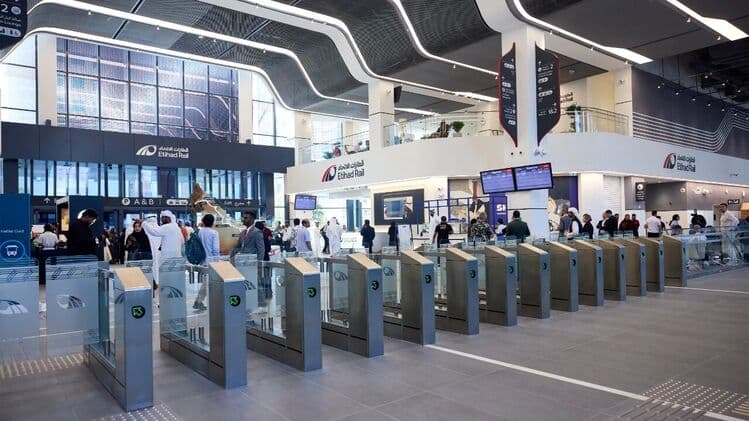
UAE residents planning to explore the country during the 55th Eid Al Etihad holidays can consider travelling by Etihad Rail, with passenger services connecting major cities, coastal destinations and inland communities.

From Abu Dhabi's museums and Dubai's historic neighbourhoods to Fujairah's beaches and Sharjah's agricultural landscapes, the railway offers an alternative to long-distance road journeys.

The passenger network expanded during 2026, with services between Abu Dhabi and Fujairah beginning in June, followed by connections to Dubai and Al Dhaid in September. Two additional stations in Madinat Zayed and Liwa are scheduled to begin operations on November 30, providing access to Abu Dhabi's western region ahead of the December holidays. Passengers can use station parking facilities, taxis and selected public transport connections to reach attractions beyond the railway network.

Abu Dhabi: Museums, Heritage and Family Attractions

Abu Dhabi offers several cultural destinations for residents interested in exploring the UAE's history, architecture and contemporary art. Saadiyat Cultural District is home to Louvre Abu Dhabi, Zayed National Museum, teamLab Phenomena Abu Dhabi and the Natural History Museum Abu Dhabi.

Visitors can spend time exploring art collections, learning about the country's heritage or experiencing interactive digital installations. The Natural History Museum provides another attraction for families interested in the history of Earth and the natural world.

Beyond Saadiyat Island, Qasr Al Hosn offers an insight into Abu Dhabi's early history, while Sheikh Zayed Grand Mosque remains one of the capital's most recognisable landmarks, featuring 82 domes and elaborate architectural details.

For families planning a visit to Yas Island, Etihad Rail's Abu Dhabi station in Mohamed Bin Zayed City offers a connecting shuttle service. The complimentary Yas Express operates between the station and Yas Mall, with a journey time of approximately 30 minutes. Passengers must have a valid Etihad Rail ticket, and advance shuttle reservations are not required.

Travellers planning an overnight stay can consider beachfront accommodation on Saadiyat Island or hotels closer to the city centre.

Options mentioned for visitors include The St. Regis Saadiyat Island Resort, Southern Sun Abu Dhabi and Centro Al Manhal.

One-way Comfort Class train fares to Abu Dhabi start at Dh39 from Dubai and Dh55 from Fujairah. Visitors planning a trip later in December may also consider Guggenheim Abu Dhabi, which is scheduled to open on December 11, after the Eid Al Etihad holiday period.

Dubai: Discover the City's Historic Neighbourhoods

Dubai offers more than modern skyscrapers, luxury shopping destinations and waterfront developments. During the cooler December weather, visitors can explore the city's older districts, traditional markets and cultural attractions.

A journey through Old Dubai can begin with a traditional abra crossing along Dubai Creek. Travellers can then explore Deira's Gold Souk and Spice Souk before visiting Al Fahidi Historical Neighbourhood, where narrow streets and traditional buildings reflect an earlier period of the city's development.

Al Shindagha Museum provides further insight into Dubai's maritime history and the lives of communities that developed around the creek. Nearby Al Seef offers waterfront restaurants, cafés and heritage-inspired architecture.

Visitors interested in contemporary art can explore Alserkal Avenue in Al Quoz, where former industrial buildings have been transformed into galleries, creative studios and independent businesses.

Outdoor attractions such as Dubai Miracle Garden, Kite Beach and Global Village are additional options for families planning a longer visit.

Dubai's Etihad Rail station is located in Al Yalayis, near Jumeirah Golf Estates, and offers connectivity to the Dubai Metro and shuttle services. One-way Comfort Class fares start at Dh39 from Abu Dhabi and Dh29 from Fujairah, depending on availability.

Fujairah: Beaches, Mountains and Coastal Adventures

Fujairah provides a contrasting experience to the UAE's major western cities, with the Hajar Mountains rising behind its coastline along the Gulf of Oman. The emirate is particularly suitable for visitors interested in beaches, historic sites and outdoor activities.

Umbrella Beach, approximately 15 minutes by car from Fujairah's railway station, offers waterfront cafés, restaurants and access to the coastline. Visitors can also explore Fujairah Fort and the historic Al Bidya Mosque.

Further north, Al Aqah is known for beach resorts, snorkelling and diving opportunities. The waters surrounding Snoopy Island attract visitors interested in marine life, including coral reefs, colourful fish and occasional sea turtle sightings.

Adventure activities are also available at Fujairah Adventure Park, including mountain biking, ziplining and high ropes courses. Travellers with additional time can visit nearby Khor Fakkan in Sharjah, which features a beachfront promenade, amphitheatre and waterfall against a mountainous landscape.

Accommodation options include Palace Beach Resort Fujairah, InterContinental Fujairah Resort and Sandy Beach Hotel and Resort, which offers access to the Snoopy Island area. One-way Comfort Class rail fares to Fujairah start at Dh55 from Abu Dhabi, Dh29 from Dubai and Dh19 from Al Dhaid.

Al Dhaid: Explore Sharjah's Agricultural Heritage

Al Dhaid offers visitors an opportunity to experience a quieter part of the UAE, characterised by date palm plantations, agricultural land and traditional irrigation systems. The inland town provides a different perspective on the country's heritage beyond its coastal cities.

Al Dhaid Fort, dating to 1820, is among the area's historical landmarks. Visitors can also explore Souq Sharia't Al Dhaid, a heritage-inspired marketplace overlooking the oasis and its traditional waterways.

The region is associated with camel racing, particularly during the cooler months. Visitors interested in this traditional sport can check the schedule of activities at Al Dhaid Camel Race Track before planning their journey.

Families can consider visiting Sharjah Safari, where a range of African wildlife, including giraffes, rhinoceroses and lions, can be seen. The attraction provides an additional option for those travelling with children.

Another nearby destination is Mleiha, known for its archaeological sites, desert landscapes and outdoor experiences. Activities in the area include heritage tours, desert excursions and stargazing.

Train fares between Al Dhaid and Fujairah start at Dh19 for a one-way Comfort Class journey, making the route an option for visitors planning a short regional excursion.

Al Dhafra: Discover Liwa and the UAE's Desert Heritage

Travellers interested in desert landscapes and traditional Emirati culture can consider Al Dhafra, where Etihad Rail's Madinat Zayed and Liwa stations are scheduled to open on November 30, 2026.

The new connections will provide additional access to Abu Dhabi's western region, which is known for extensive sand dunes, desert settlements and cultural festivals celebrating the country's heritage.

Liwa is particularly famous for its desert scenery, including the towering dunes surrounding Tal Moreeb. The area attracts visitors interested in desert camping, motorsports and traditional activities.

Although the Liwa International Festival does not begin during the Eid Al Etihad holiday itself, it offers another reason to visit the region later in December. The festival is scheduled to run from December 11, 2026, to January 2, 2027, with motorsport competitions, dune-climbing events, stunt shows, carnival rides, camping and New Year celebrations.

The Al Dhafra Festival provides another opportunity to experience traditional Emirati culture. Its programme includes camel beauty competitions, heritage markets, falconry and Saluki racing, with activities continuing until January 13, 2027.

One of the festival's important events, the Madinat Zayed Camel Mazayna, is scheduled from December 3 to 10. Visitors should check event schedules and local transport arrangements before travelling.

Etihad Rail Ticket Prices and Travel Information

Passengers planning a holiday journey can compare starting fares for selected routes before deciding which destinations to visit.

The announced one-way Comfort Class fares include:

  • Dubai to Abu Dhabi: From Dh39.
  • Fujairah to Abu Dhabi: From Dh55.
  • Fujairah to Dubai: From Dh29.
  • Dubai to Fujairah: From Dh29.
  • Al Dhaid to Fujairah: From Dh19.

These are starting fares rather than fixed prices for every departure. Actual ticket costs may differ depending on the travel date, departure time, ticket class and seat availability.

Operational railway stations provide parking facilities and taxi access. Dubai's station is connected to the Metro and shuttle services, while Abu Dhabi offers connecting transport, including a dedicated Yas Island shuttle.

Passengers should also consider the distance between railway stations and their intended attractions. Beaches, museums, shopping destinations and desert locations may require additional taxi journeys or other transport arrangements.

For those planning a day trip, checking return train departure times is especially important. Travellers staying overnight should also confirm accommodation availability and local transport options before finalising their plans.

Planning an Eid Al Etihad Journey by Train

The expanded Etihad Rail network offers UAE residents an alternative way to explore different parts of the country during the National Day holidays. Each destination provides a distinct experience, from cultural attractions and historic districts to coastal activities, agricultural heritage and desert landscapes.

Travellers interested in museums and family entertainment may prefer Abu Dhabi, while Dubai offers historic markets and urban attractions. Fujairah is suited to coastal excursions, Al Dhaid provides access to inland heritage destinations, and Liwa offers opportunities to experience the country's desert environment.

Before travelling, passengers should check the latest train schedules, ticket availability and station connections through the official Etihad Rail website. Confirming onward transport and attraction opening hours can also help avoid complications during the holiday period.

Disclaimer: Train fares are advertised starting prices for one-way Comfort Class journeys and may vary according to availability and travel conditions. Station opening dates, services, shuttle arrangements, festival schedules and attraction operating hours may change. Travellers should verify current information directly with Etihad Rail and relevant service providers before making bookings.

Join us on WhatsApp and Facebook

Sharjah Police Warn Truck Drivers of Dh1,500 Fine and 12 Black Points

Sharjah Police Warn Truck Drivers of Dh1,500 Fine and 12 Black Points

Sharjah Police have warned truck drivers that failing to use designated right-hand lanes can result in a Dh1,500 fine and 12 black points on their driving records. The authority has urged heavy vehicle operators to follow lane restrictions, avoid dangerous overtaking and comply with traffic signs to reduce the risk of road accidents.

In a series of road safety instructions published on its official X account, Sharjah Police emphasised the importance of responsible driving among truck operators, particularly on busy roads. The guidance also addressed what drivers should do when their vehicles break down and reminded other motorists to maintain safe distances from heavy vehicles.

Truck drivers must remain in the right-hand lanes designated for heavy vehicles and avoid moving into restricted lanes. Police stressed that maintaining proper lane discipline is essential to preventing dangerous situations involving large commercial vehicles.

The authority also warned against overtaking during heavy traffic or in areas where overtaking is prohibited. Drivers must observe traffic signs and road markings and avoid manoeuvres that could endanger other road users.

Under the traffic regulations highlighted by Sharjah Police, failure to comply with the designated lane requirements for heavy vehicles carries a penalty of Dh1,500 and 12 black points.

The warning reinforces the need for truck drivers to exercise additional caution because of their vehicles' size and operating characteristics. Sudden lane changes and unsafe overtaking can create significant risks for surrounding traffic.

Sharjah Police also issued instructions for drivers who experience mechanical problems or unexpected breakdowns while travelling.

In such situations, truck drivers should move their vehicles to the far-right side of the road where it is safe to do so. They must activate their hazard warning lights to alert approaching motorists to the stationary vehicle.

Drivers should also position a warning triangle at a sufficient distance behind the truck to provide advance notice to other road users. After taking the necessary precautions, they should move away from traffic to a safe location and contact emergency services for assistance.

The authority stressed that breakdown procedures are important for reducing the possibility of secondary accidents involving stationary heavy vehicles.

Sharjah Police also reminded drivers of smaller vehicles to avoid travelling in trucks' blind spots. These areas can limit a truck driver's ability to see nearby vehicles, increasing the danger during turning, lane changes or other manoeuvres.

Motorists were additionally advised to maintain a safe following distance when driving behind heavy vehicles. Allowing sufficient space can improve visibility and provide more time to respond if traffic conditions change unexpectedly.

The latest safety guidance highlights the responsibilities of both truck operators and other motorists in maintaining road safety. Police urged all drivers to respect traffic regulations, remain attentive to surrounding vehicles and avoid actions that could lead to collisions.

Disclaimer: The Dh1,500 fine and 12 black points relate to the truck lane violation identified in the police warning. Other traffic offences may carry different penalties. Drivers should consult Sharjah Police and the relevant UAE traffic authorities for the latest rules and enforcement requirements.

Join us on WhatsApp and Facebook