


Qatar New Traffic Law

Selling an Older Car in Qatar? Check This Rule Before Making a Deal

Before Buying an Older Used Car in Qatar, Check This Important Requirement

Selling an Older Car in Qatar? Check This Rule Before Making a Deal

If you own a car that is more than 15 years old in Qatar, you may be wondering whether you can still sell it, transfer it to another buyer or renew its registration under the new traffic law. Qatar's Traffic Law No. 19 of 2026 includes a 15-year vehicle-age restriction that could affect older cars, but there is an important distinction many vehicle owners need to understand: the law does not expressly prohibit selling a car simply because it has passed the 15-year mark.

The real concern is whether the vehicle can be registered, transferred and legally driven after the sale. A car may have a willing buyer and an existing Istimara, yet its future licensing eligibility must still be considered. With the new law taking effect on 19 December 2026, this guide explains what Qatar residents should check before selling or purchasing an older vehicle, how the ownership-transfer rules work and what options may be available if a car no longer qualifies for registration.

1. What Does Qatar's New 15-Year Car Rule Actually Mean?

The starting point is Article 10 of Traffic Law No. 19 of 2026. It establishes conditions for licensing motor vehicles, including a requirement that no more than 15 years have passed since the car's year of manufacture.

The provision is significant for owners of older vehicles, but it should not be interpreted as an automatic ban on ownership or private sales. The restriction concerns vehicle licensing. Other requirements, including technical condition, roadworthiness, approved Qatari specifications, valid insurance and technical inspection, must also be satisfied.

Article 24 goes further by allowing the licensing authority to refuse to issue or renew a vehicle operating licence when a car exceeds 15 years since manufacture. However, the provision includes exceptions, meaning vehicle age alone should not be treated as an automatic order to confiscate, destroy or immediately dispose of every older car.

2. Can You Sell a Car That Is More Than 15 Years Old?

The new law does not expressly state that a person is prohibited from selling a car once it becomes more than 15 years old. Article 32 regulates vehicle ownership transfers without establishing a separate maximum age for making a private sale.

However, there is a difference between agreeing to sell a vehicle and successfully transferring its registered ownership. The licensing authority must deal with the vehicle under the applicable registration and licensing rules, including the age-related provisions in Articles 10 and 24.

For example, a seller may find someone interested in buying an older car, but that does not guarantee the buyer can register it and drive it on Qatar's roads. Before concluding the transaction, both parties should confirm whether the particular vehicle qualifies for transfer and continued licensing. The legislation does not establish unconditional transfer eligibility for every car exceeding 15 years of age.

3. What Should You Check Before Selling Your Old Car?

Before advertising an older vehicle or agreeing on a sale, the owner should first confirm its manufacturing year and current registration status. This is particularly important for cars approaching or exceeding the 15-year threshold because the law refers to the year of manufacture, rather than simply how long the present owner has possessed the car.

Next, the seller should check whether the vehicle can be transferred into a buyer's name under the applicable conditions. Qatar's Ministry of Interior provides vehicle ownership-transfer services, including through Metrash, but the availability of a transfer service does not remove the vehicle licensing requirements. Where age-related eligibility is uncertain, the seller should seek confirmation from the General Directorate of Traffic.

The seller should also review any outstanding financing arrangements, legal restrictions or discrepancies in the vehicle's registration details. These matters can affect the transfer process independently of the vehicle's age. It is safer to resolve such issues before accepting payment or handing over the vehicle.

4. What Does the Buyer Need to Know?

For a buyer, the most important question is not simply whether the seller is legally able to offer the vehicle for sale. It is whether the buyer can obtain the required registration and continue using the vehicle lawfully.

Before buying an older used car in Qatar, check these matters:

  • Manufacturing year: Confirm the year recorded in the vehicle documents.
  • Istimara validity: Check whether the registration is currently valid and when it expires.
  • Transfer eligibility: Confirm that the vehicle can be registered under the buyer's name.
  • Licensing conditions: Determine whether the 15-year rule or an applicable exception affects the car.
  • Technical condition: Check the vehicle's roadworthiness and applicable inspection requirements.
  • Legal restrictions: Verify whether financing or other registered obligations need to be resolved.

An older car offered at a comparatively low price may still involve substantial uncertainty if the buyer cannot secure an operating licence. The practical step is to establish transfer and licensing eligibility before completing payment rather than rely only on assurances that the car currently runs well or holds a valid Istimara.

5. What Happens If Your Old Car Already Has a Valid Istimara?

The new law contains transitional provisions designed to address vehicles and documents issued under the previous legislation. Article 2 of the issuing provisions confirms that vehicle operating licences granted before the new law takes effect remain valid until their existing expiry dates.

It also provides a six-month period, beginning from the new law's effective date, for owners of vehicles registered under the previous law to bring them into compliance. The Minister of Interior may extend this period by another six months through a decision, but such an extension is not automatic.

This does not mean an existing registration guarantees renewal or ownership-transfer approval after the new licensing requirements apply. It also does not permit driving with an expired Istimara. Article 14 prohibits operating a motor vehicle on the road without renewing its registration, even though the law provides a 30-day deadline for completing renewal after expiry.

6. Are There Exceptions for Cars Older Than 15 Years?

Yes. Article 10 makes an exception to the 15-year licensing condition for cars meeting requirements determined by a decision of the Minister of Interior and for classic vehicles. Article 24 recognises the same general distinction when describing the licensing authority's power to refuse issuance or renewal.

However, merely owning an older car does not automatically make it a legally recognised classic vehicle. Nor does the fact that a car is well maintained establish that it qualifies for an age-related exemption. The relevant legal classification and any applicable conditions must be determined by the competent authority.

Owners should therefore ask whether their specific car qualifies under an applicable ministerial decision or the provisions concerning classic vehicles. The text of the law does not provide a universal exemption for all privately owned older cars, and no guaranteed approval process should be assumed without the relevant official confirmation.

7. How Does the Ownership Transfer Work in Qatar?

Article 32 establishes responsibilities for both parties when a vehicle changes ownership. The seller must notify the licensing authority within three days of the transaction, supplying the new owner's name and address. The buyer must also notify the authority within three days of acquiring ownership.

There is an important consequence for sellers: until the vehicle is registered in the new owner's name, the selling owner remains responsible for matters relating to it. This makes completion of the official ownership-transfer process essential, rather than simply exchanging payment, keys and possession of the car.

According to official Hukoomi guidance, vehicle ownership-transfer services are available through the Ministry of Interior, including the Metrash application. The ordinary transfer service does not, however, establish an exception to the 15-year licensing requirement. Residents selling older vehicles should verify the vehicle's specific eligibility before proceeding.

8. Is the 15-Year Rule New in Qatar?

The 15-year age condition is not an entirely new concept introduced by the 2026 legislation. Qatar's previous Traffic Law No. 19 of 2007 already included a similar restriction concerning the age of vehicles eligible for registration.

Article 20 of the 2007 law also authorised the licensing authority to refuse to issue or renew a motor vehicle licence when more than 15 years had passed since manufacture, subject to exceptions determined by ministerial decision. The new law retains the age-related licensing framework while introducing updated provisions for traffic management, licensing and enforcement.

This distinction matters because residents should not assume that a previously unrestricted right to register all older cars has suddenly been removed. The relevant question is how the licensing rules and exceptions apply to the specific vehicle under the new legislation and any applicable implementing decisions.

9. What If Your Car Cannot Be Renewed or Transferred?

If a vehicle does not satisfy the age-related conditions and does not qualify for an exception, the licensing authority may refuse to issue or renew its operating licence under Article 24. Other concerns, such as poor technical condition or failure to meet roadworthiness standards, can also affect eligibility.

Article 26 allows the licensing authority to suspend the use of a vehicle that has become unfit for the road until the problem is addressed. Article 27 identifies circumstances in which vehicle registration may be cancelled, including roadworthiness problems and cancellation requested by the owner or legal representative. Neither provision says that every car older than 15 years must automatically be scrapped.

An owner considering disposal, sale for parts or export should first determine which procedures are legally available for that particular vehicle. Export is separately regulated under Articles 20 and 28. Those considering this route must comply with the applicable permission, plate, insurance and other requirements rather than assume that an unlicensed vehicle can simply be driven out of Qatar.

10. What Is the Safest Way to Sell or Buy an Older Car?

For sellers, the priority is to establish whether the vehicle can legally be transferred and registered in the buyer's name. A valid existing Istimara is useful information, but it is not itself a guarantee of future licensing eligibility under the new law.

For buyers, the safest approach is to check the registration record, manufacturing year, technical condition and transfer eligibility before committing funds. If the licensing authority cannot confirm the vehicle's eligibility for continued road use, the buyer should not assume that the problem will be resolved automatically after purchase.

Both parties should complete the formal ownership-transfer procedure and ensure that the vehicle's registration reflects the new owner. This is particularly important because Article 32 preserves the seller's responsibility until the registration has been transferred.

Final Takeaway: Check Registration Eligibility Before Selling

Qatar's Traffic Law No. 19 of 2026 does not expressly impose a blanket ban on the private sale of cars older than 15 years. It does, however, place age-related conditions on vehicle licensing and allows the competent authority to refuse issuance or renewal for cars exceeding that age, subject to exceptions.

For residents who already own older vehicles, existing registrations issued before the new law takes effect remain valid until their expiry dates. But the ability to renew or transfer a particular vehicle for continued road use should not be assumed merely because it is currently registered.

The most important advice for anyone buying or selling an older car in Qatar is simple: confirm the vehicle's eligibility with the General Directorate of Traffic before completing the transaction. That single check can help both parties avoid uncertainty over whether the vehicle can be registered and legally driven after the sale.

Legal References: Qatar Traffic Law No. 19 of 2026, Articles 10, 14, 20, 24, 26–28 and 32; Article 2 of the issuing provisions. For historical comparison, Articles 9 and 20 of Traffic Law No. 19 of 2007.

Disclaimer: This guide is provided for general information based on the legislation and available official service guidance. It does not constitute legal advice or guarantee approval of any vehicle ownership transfer, registration or exemption. Residents should confirm the current requirements for their particular vehicle with Qatar's Ministry of Interior or the competent licensing authority.

Join us on WhatsApp and Facebook

UAE Eid Al Etihad 2026: Explore Five Destinations by Etihad Rail

UAE Eid Al Etihad 2026: Explore Five Destinations by Etihad Rail

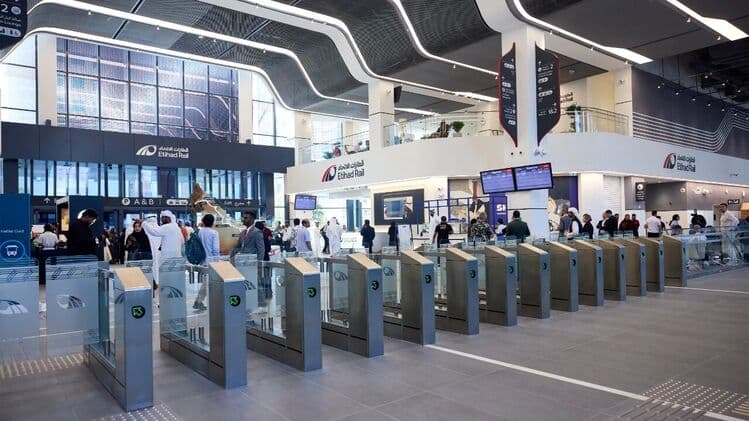
UAE residents planning to explore the country during the 55th Eid Al Etihad holidays can consider travelling by Etihad Rail, with passenger services connecting major cities, coastal destinations and inland communities.

From Abu Dhabi's museums and Dubai's historic neighbourhoods to Fujairah's beaches and Sharjah's agricultural landscapes, the railway offers an alternative to long-distance road journeys.

The passenger network expanded during 2026, with services between Abu Dhabi and Fujairah beginning in June, followed by connections to Dubai and Al Dhaid in September. Two additional stations in Madinat Zayed and Liwa are scheduled to begin operations on November 30, providing access to Abu Dhabi's western region ahead of the December holidays. Passengers can use station parking facilities, taxis and selected public transport connections to reach attractions beyond the railway network.

Abu Dhabi: Museums, Heritage and Family Attractions

Abu Dhabi offers several cultural destinations for residents interested in exploring the UAE's history, architecture and contemporary art. Saadiyat Cultural District is home to Louvre Abu Dhabi, Zayed National Museum, teamLab Phenomena Abu Dhabi and the Natural History Museum Abu Dhabi.

Visitors can spend time exploring art collections, learning about the country's heritage or experiencing interactive digital installations. The Natural History Museum provides another attraction for families interested in the history of Earth and the natural world.

Beyond Saadiyat Island, Qasr Al Hosn offers an insight into Abu Dhabi's early history, while Sheikh Zayed Grand Mosque remains one of the capital's most recognisable landmarks, featuring 82 domes and elaborate architectural details.

For families planning a visit to Yas Island, Etihad Rail's Abu Dhabi station in Mohamed Bin Zayed City offers a connecting shuttle service. The complimentary Yas Express operates between the station and Yas Mall, with a journey time of approximately 30 minutes. Passengers must have a valid Etihad Rail ticket, and advance shuttle reservations are not required.

Travellers planning an overnight stay can consider beachfront accommodation on Saadiyat Island or hotels closer to the city centre.

Options mentioned for visitors include The St. Regis Saadiyat Island Resort, Southern Sun Abu Dhabi and Centro Al Manhal.

One-way Comfort Class train fares to Abu Dhabi start at Dh39 from Dubai and Dh55 from Fujairah. Visitors planning a trip later in December may also consider Guggenheim Abu Dhabi, which is scheduled to open on December 11, after the Eid Al Etihad holiday period.

Dubai: Discover the City's Historic Neighbourhoods

Dubai offers more than modern skyscrapers, luxury shopping destinations and waterfront developments. During the cooler December weather, visitors can explore the city's older districts, traditional markets and cultural attractions.

A journey through Old Dubai can begin with a traditional abra crossing along Dubai Creek. Travellers can then explore Deira's Gold Souk and Spice Souk before visiting Al Fahidi Historical Neighbourhood, where narrow streets and traditional buildings reflect an earlier period of the city's development.

Al Shindagha Museum provides further insight into Dubai's maritime history and the lives of communities that developed around the creek. Nearby Al Seef offers waterfront restaurants, cafés and heritage-inspired architecture.

Visitors interested in contemporary art can explore Alserkal Avenue in Al Quoz, where former industrial buildings have been transformed into galleries, creative studios and independent businesses.

Outdoor attractions such as Dubai Miracle Garden, Kite Beach and Global Village are additional options for families planning a longer visit.

Dubai's Etihad Rail station is located in Al Yalayis, near Jumeirah Golf Estates, and offers connectivity to the Dubai Metro and shuttle services. One-way Comfort Class fares start at Dh39 from Abu Dhabi and Dh29 from Fujairah, depending on availability.

Fujairah: Beaches, Mountains and Coastal Adventures

Fujairah provides a contrasting experience to the UAE's major western cities, with the Hajar Mountains rising behind its coastline along the Gulf of Oman. The emirate is particularly suitable for visitors interested in beaches, historic sites and outdoor activities.

Umbrella Beach, approximately 15 minutes by car from Fujairah's railway station, offers waterfront cafés, restaurants and access to the coastline. Visitors can also explore Fujairah Fort and the historic Al Bidya Mosque.

Further north, Al Aqah is known for beach resorts, snorkelling and diving opportunities. The waters surrounding Snoopy Island attract visitors interested in marine life, including coral reefs, colourful fish and occasional sea turtle sightings.

Adventure activities are also available at Fujairah Adventure Park, including mountain biking, ziplining and high ropes courses. Travellers with additional time can visit nearby Khor Fakkan in Sharjah, which features a beachfront promenade, amphitheatre and waterfall against a mountainous landscape.

Accommodation options include Palace Beach Resort Fujairah, InterContinental Fujairah Resort and Sandy Beach Hotel and Resort, which offers access to the Snoopy Island area. One-way Comfort Class rail fares to Fujairah start at Dh55 from Abu Dhabi, Dh29 from Dubai and Dh19 from Al Dhaid.

Al Dhaid: Explore Sharjah's Agricultural Heritage

Al Dhaid offers visitors an opportunity to experience a quieter part of the UAE, characterised by date palm plantations, agricultural land and traditional irrigation systems. The inland town provides a different perspective on the country's heritage beyond its coastal cities.

Al Dhaid Fort, dating to 1820, is among the area's historical landmarks. Visitors can also explore Souq Sharia't Al Dhaid, a heritage-inspired marketplace overlooking the oasis and its traditional waterways.

The region is associated with camel racing, particularly during the cooler months. Visitors interested in this traditional sport can check the schedule of activities at Al Dhaid Camel Race Track before planning their journey.

Families can consider visiting Sharjah Safari, where a range of African wildlife, including giraffes, rhinoceroses and lions, can be seen. The attraction provides an additional option for those travelling with children.

Another nearby destination is Mleiha, known for its archaeological sites, desert landscapes and outdoor experiences. Activities in the area include heritage tours, desert excursions and stargazing.

Train fares between Al Dhaid and Fujairah start at Dh19 for a one-way Comfort Class journey, making the route an option for visitors planning a short regional excursion.

Al Dhafra: Discover Liwa and the UAE's Desert Heritage

Travellers interested in desert landscapes and traditional Emirati culture can consider Al Dhafra, where Etihad Rail's Madinat Zayed and Liwa stations are scheduled to open on November 30, 2026.

The new connections will provide additional access to Abu Dhabi's western region, which is known for extensive sand dunes, desert settlements and cultural festivals celebrating the country's heritage.

Liwa is particularly famous for its desert scenery, including the towering dunes surrounding Tal Moreeb. The area attracts visitors interested in desert camping, motorsports and traditional activities.

Although the Liwa International Festival does not begin during the Eid Al Etihad holiday itself, it offers another reason to visit the region later in December. The festival is scheduled to run from December 11, 2026, to January 2, 2027, with motorsport competitions, dune-climbing events, stunt shows, carnival rides, camping and New Year celebrations.

The Al Dhafra Festival provides another opportunity to experience traditional Emirati culture. Its programme includes camel beauty competitions, heritage markets, falconry and Saluki racing, with activities continuing until January 13, 2027.

One of the festival's important events, the Madinat Zayed Camel Mazayna, is scheduled from December 3 to 10. Visitors should check event schedules and local transport arrangements before travelling.

Etihad Rail Ticket Prices and Travel Information

Passengers planning a holiday journey can compare starting fares for selected routes before deciding which destinations to visit.

The announced one-way Comfort Class fares include:

  • Dubai to Abu Dhabi: From Dh39.
  • Fujairah to Abu Dhabi: From Dh55.
  • Fujairah to Dubai: From Dh29.
  • Dubai to Fujairah: From Dh29.
  • Al Dhaid to Fujairah: From Dh19.

These are starting fares rather than fixed prices for every departure. Actual ticket costs may differ depending on the travel date, departure time, ticket class and seat availability.

Operational railway stations provide parking facilities and taxi access. Dubai's station is connected to the Metro and shuttle services, while Abu Dhabi offers connecting transport, including a dedicated Yas Island shuttle.

Passengers should also consider the distance between railway stations and their intended attractions. Beaches, museums, shopping destinations and desert locations may require additional taxi journeys or other transport arrangements.

For those planning a day trip, checking return train departure times is especially important. Travellers staying overnight should also confirm accommodation availability and local transport options before finalising their plans.

Planning an Eid Al Etihad Journey by Train

The expanded Etihad Rail network offers UAE residents an alternative way to explore different parts of the country during the National Day holidays. Each destination provides a distinct experience, from cultural attractions and historic districts to coastal activities, agricultural heritage and desert landscapes.

Travellers interested in museums and family entertainment may prefer Abu Dhabi, while Dubai offers historic markets and urban attractions. Fujairah is suited to coastal excursions, Al Dhaid provides access to inland heritage destinations, and Liwa offers opportunities to experience the country's desert environment.

Before travelling, passengers should check the latest train schedules, ticket availability and station connections through the official Etihad Rail website. Confirming onward transport and attraction opening hours can also help avoid complications during the holiday period.

Disclaimer: Train fares are advertised starting prices for one-way Comfort Class journeys and may vary according to availability and travel conditions. Station opening dates, services, shuttle arrangements, festival schedules and attraction operating hours may change. Travellers should verify current information directly with Etihad Rail and relevant service providers before making bookings.

Join us on WhatsApp and Facebook

Sharjah Police Warn Truck Drivers of Dh1,500 Fine and 12 Black Points

Sharjah Police Warn Truck Drivers of Dh1,500 Fine and 12 Black Points

Sharjah Police have warned truck drivers that failing to use designated right-hand lanes can result in a Dh1,500 fine and 12 black points on their driving records. The authority has urged heavy vehicle operators to follow lane restrictions, avoid dangerous overtaking and comply with traffic signs to reduce the risk of road accidents.

In a series of road safety instructions published on its official X account, Sharjah Police emphasised the importance of responsible driving among truck operators, particularly on busy roads. The guidance also addressed what drivers should do when their vehicles break down and reminded other motorists to maintain safe distances from heavy vehicles.

Truck drivers must remain in the right-hand lanes designated for heavy vehicles and avoid moving into restricted lanes. Police stressed that maintaining proper lane discipline is essential to preventing dangerous situations involving large commercial vehicles.

The authority also warned against overtaking during heavy traffic or in areas where overtaking is prohibited. Drivers must observe traffic signs and road markings and avoid manoeuvres that could endanger other road users.

Under the traffic regulations highlighted by Sharjah Police, failure to comply with the designated lane requirements for heavy vehicles carries a penalty of Dh1,500 and 12 black points.

The warning reinforces the need for truck drivers to exercise additional caution because of their vehicles' size and operating characteristics. Sudden lane changes and unsafe overtaking can create significant risks for surrounding traffic.

Sharjah Police also issued instructions for drivers who experience mechanical problems or unexpected breakdowns while travelling.

In such situations, truck drivers should move their vehicles to the far-right side of the road where it is safe to do so. They must activate their hazard warning lights to alert approaching motorists to the stationary vehicle.

Drivers should also position a warning triangle at a sufficient distance behind the truck to provide advance notice to other road users. After taking the necessary precautions, they should move away from traffic to a safe location and contact emergency services for assistance.

The authority stressed that breakdown procedures are important for reducing the possibility of secondary accidents involving stationary heavy vehicles.

Sharjah Police also reminded drivers of smaller vehicles to avoid travelling in trucks' blind spots. These areas can limit a truck driver's ability to see nearby vehicles, increasing the danger during turning, lane changes or other manoeuvres.

Motorists were additionally advised to maintain a safe following distance when driving behind heavy vehicles. Allowing sufficient space can improve visibility and provide more time to respond if traffic conditions change unexpectedly.

The latest safety guidance highlights the responsibilities of both truck operators and other motorists in maintaining road safety. Police urged all drivers to respect traffic regulations, remain attentive to surrounding vehicles and avoid actions that could lead to collisions.

Disclaimer: The Dh1,500 fine and 12 black points relate to the truck lane violation identified in the police warning. Other traffic offences may carry different penalties. Drivers should consult Sharjah Police and the relevant UAE traffic authorities for the latest rules and enforcement requirements.

Join us on WhatsApp and Facebook