


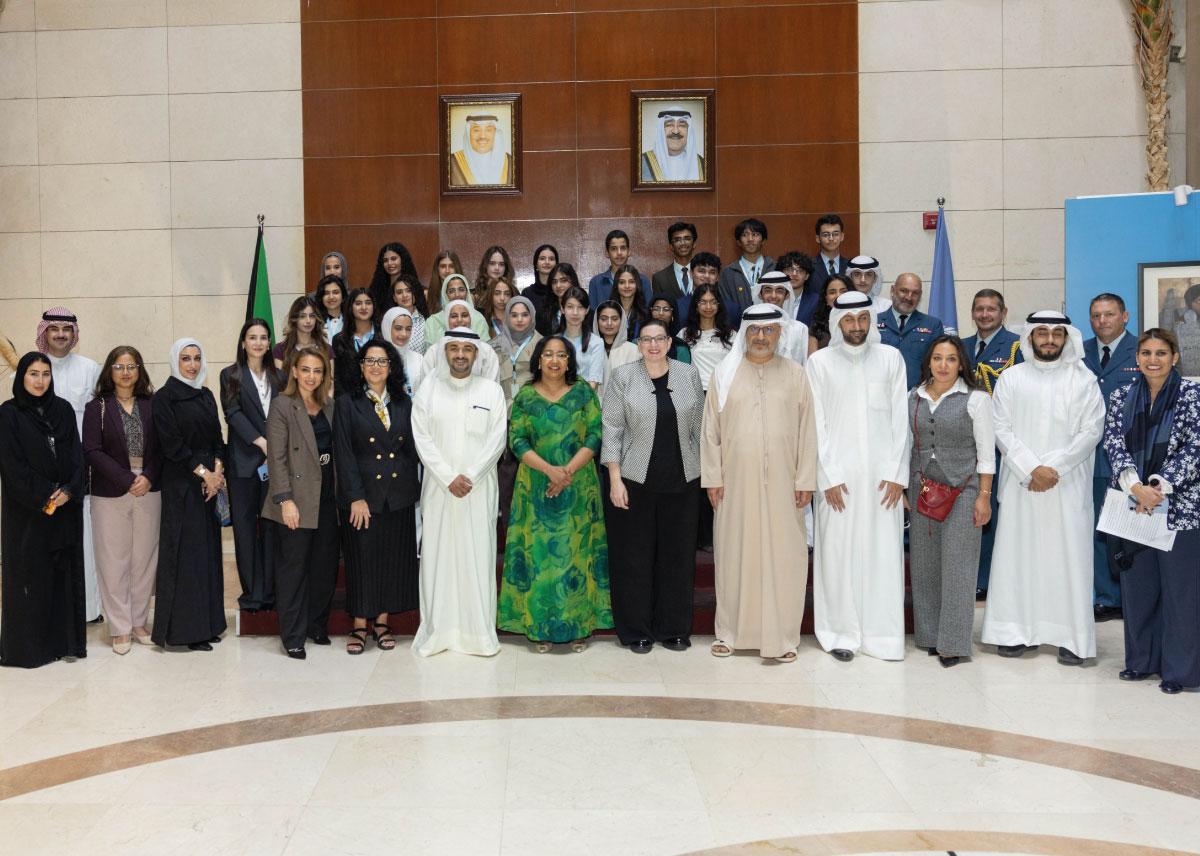
Kuwait has launched the fifth season of its Young Ambassadors programme, bringing together students for six months of diplomatic training, leadership development and practical activities focused on global challenges. This year's programme will concentrate on responsible consumption and production, the 12th United Nations Sustainable Development Goal (SDG 12), with support from the United Nations and the embassies of Canada, the United Kingdom and the United Arab Emirates.
Speaking at the launch on Monday, UN Resident Coordinator in Kuwait Ghada El-Tahir emphasised the importance of giving young people opportunities to participate in decision-making and contribute to sustainable development. She said the programme's fifth season reflects a shared commitment to helping students understand international issues, develop leadership skills and turn their ideas into practical initiatives that benefit their communities.
Six-month programme to develop young leaders
El-Tahir explained that the Young Ambassadors initiative connects diplomacy, leadership and sustainable development with students' everyday experiences. Participants will have opportunities to exchange ideas, learn from international professionals and take part in activities addressing challenges facing their communities and the wider world.
The programme aligns with the United Nations Youth2030 strategy and the Pact for the Future, both of which emphasise youth participation in shaping policies and decisions that affect future generations. El-Tahir said young people should be recognised as partners and potential leaders in efforts to address global challenges.
The six-month programme will include:
- Leadership workshops: Training activities to strengthen communication, teamwork and leadership skills.
- Diplomatic experience: Opportunities to learn about the work of embassies and international organisations.
- Field visits: Practical activities connecting international issues with real-world experiences.
- Professional mentoring: Guidance from diplomats, specialists and representatives of participating organisations.
- International cooperation: Exposure to different perspectives, cultures and approaches to global challenges.
- Final project: Development of practical initiatives based on participants' learning and experiences.
Kuwait youth to focus on responsible consumption
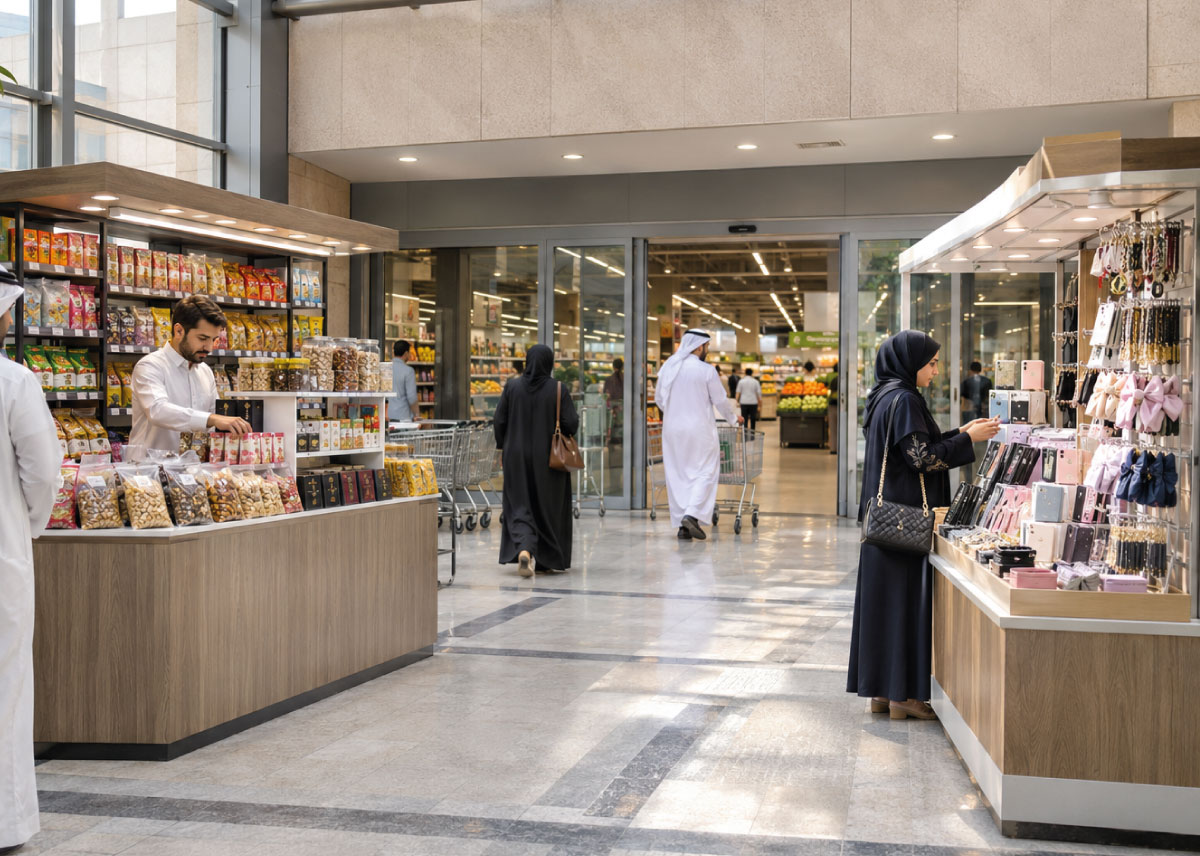
The fifth season will focus on SDG 12, which promotes responsible consumption and production. Participants will examine how resource use, purchasing habits, waste generation and recycling affect climate change, environmental protection, water consumption and energy demand.
El-Tahir highlighted the scale of global food waste, observing that households worldwide discard food equivalent to more than one billion meals every day while hundreds of millions of people experience hunger.
She also stated that an individual in Kuwait generates approximately 1.6 kilograms of waste daily, nearly twice the global average. The figures underline the importance of reducing waste and encouraging more efficient resource management.
The programme will introduce participants to the circular economy, which promotes longer-lasting products, material reuse and business models that treat waste as a resource. El-Tahir connected these principles with the sustainable living environment pillar of Kuwait Vision 2035.
Canada highlights diplomatic training and practical experience
Canadian Ambassador to Kuwait Tara Scheurwater emphasised the programme's role in preparing responsible and informed young leaders who can contribute positively to their communities.
She said the initiative has developed over its previous four seasons into a platform for international cooperation and leadership development, bringing together students from across Kuwait who share an interest in international affairs.
Scheurwater explained that participants will gain practical exposure to diplomatic work through training opportunities at embassies and international organisations. Activities will also focus on communication, negotiation, cooperation and conflict resolution.
The ambassador encouraged students to remain curious, ask questions, consider different perspectives and translate their knowledge into practical action. She also welcomed the UAE Embassy as a new programme partner and acknowledged the British Embassy's continuing leadership.
Scheurwater thanked Kuwait's Ministry of Foreign Affairs, the UN Resident Coordinator's Office and other participating organisations for their support. She also recognised Infocap Associates, which is implementing the programme for the third consecutive season.
British Embassy highlights growth of Young Ambassadors initiative
British Deputy Ambassador Stuart Summers described the programme as an initiative that began with a simple idea and gradually developed into an important platform for youth engagement.
He credited its development to cooperation between the British Embassy, the UN Resident Coordinator's Office and the Canadian Embassy, with the UAE Embassy joining the partnership for the fifth season.
Summers said previous programme activities had addressed several Sustainable Development Goals, including gender equality, climate action, peace and security, and sustainable cities and communities.
He also highlighted the achievements of former participants, some of whom continued their education, established their own initiatives or became involved in community activities after completing the programme.
Summers encouraged the new participants to use the experience to develop practical ideas that could contribute to environmental sustainability and positive social change.
UAE Embassy joins programme partnership
UAE Ambassador to Kuwait Dr Matar Al Neyadi said youth empowerment is an important element of Emirati diplomacy, reflecting the country's emphasis on education, international communication and providing opportunities for young people to develop their capabilities.
He explained that diplomacy extends beyond government-to-government relations and includes building connections between societies. The Young Ambassadors programme, he said, provides students from different nationalities and cultural backgrounds with opportunities to exchange ideas and establish lasting relationships.
Al Neyadi recalled that the UAE Embassy hosted a Kuwaiti student during the programme's second season, providing insight into diplomatic work and preparations for the COP28 climate conference held in 2023. He said the embassy had maintained contact with the student, demonstrating the potential for youth initiatives to create lasting professional and personal connections.
The ambassador also highlighted the embassy's cooperation with Emirati astronaut and Minister of State for Youth Affairs Dr Sultan Al Neyadi during his visit to Kuwait. The embassy arranged meetings with universities and the Sheikh Abdullah Al Salem Cultural Centre, allowing him to share his experiences with young people.
Al Neyadi encouraged participants to contribute ideas addressing global challenges, including reducing carbon emissions, expanding clean energy use, protecting the environment and improving quality of life.
Kuwait stresses youth participation in Vision 2035
Abdulmohsen Al-Mansour, Deputy Assistant Foreign Minister for International Organisations Affairs, reaffirmed Kuwait's commitment to investing in young people and strengthening their participation in sustainable development.
He described youth as important partners in economic and social progress, as well as a source of innovation in addressing future challenges. He also emphasised that the initiative supports Kuwait Vision 2035 by helping students develop the knowledge and capabilities needed to contribute to national development.
Al-Mansour said the focus on responsible consumption and production reflects the interconnected environmental, economic and development challenges facing the world. He stressed that sustainable development requires turning strategies into responsible practices that improve resource efficiency, reduce waste and protect the interests of future generations.
He also encouraged participants to develop skills in dialogue, negotiation and diplomacy while respecting different opinions and working collaboratively to address shared challenges.
International partnerships support youth development
The programme reflects cooperation between Kuwait, the United Nations and diplomatic missions representing several international partners. Organisers aim to provide students with practical experiences that extend beyond traditional classroom learning.
El-Tahir thanked Canada, the UAE and the United Kingdom for their support, while also recognising the contributions of schools, teachers, mentors and participating institutions.
Through its combination of training, diplomatic exposure, field activities and final projects, the fifth Young Ambassadors programme aims to help students develop initiatives addressing responsible consumption and production.
The organisers expressed hope that participants would apply the knowledge gained during the six-month programme in their schools and communities, contributing to broader sustainability efforts and strengthening international cooperation.