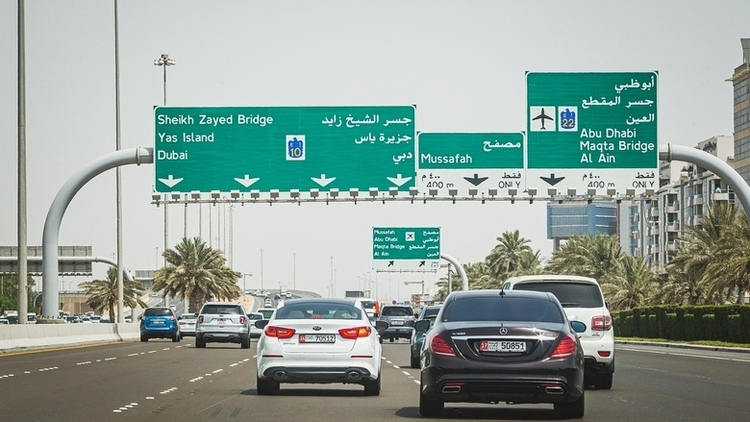




Saudi Arabia’s 90-day grace period for vehicles registered in Gulf Cooperation Council (GCC) countries officially ended on Monday, November 23, 2026. The deadline marked the conclusion of a temporary arrangement allowing affected vehicle owners to regularise their status by either removing their vehicles from the Kingdom or completing the necessary procedures for Saudi registration.
The grace period was introduced by the Zakat, Tax and Customs Authority (ZATCA), in cooperation with the Ministry of Interior’s General Directorate of Traffic. Running from August 26 to November 23, 2026, the initiative provided vehicle owners with an opportunity to comply with Saudi customs and traffic requirements without immediately facing the consequences of exceeding the permitted stay.
Under the regulations, GCC-registered vehicles owned by Saudi citizens or residents who are not GCC nationals, as well as vehicles operated by authorised drivers, may remain in Saudi Arabia for a maximum of 90 days within any 365-day period. The limit applies whether the vehicle remains continuously in the Kingdom or enters and exits on multiple occasions.
The permitted stay is calculated from the date the vehicle enters Saudi Arabia through a customs port. As the 90-day limit applies within a 365-day period, leaving the Kingdom and returning does not automatically provide another full 90 days of permitted stay.
ZATCA clarified that owners of affected vehicles have two principal options for complying with the regulations. They may export their vehicles from Saudi Arabia or complete the necessary customs and traffic procedures to register them locally and obtain Saudi licence plates.
Vehicle owners seeking Saudi registration can authorise a customs broker to submit the required customs declaration through the nearest eligible port of entry. The process involves fulfilling the applicable regulatory requirements and paying the relevant fees and taxes. Importantly, owners are not required to return to the same customs port through which their vehicles originally entered the Kingdom.
The authority has also introduced an electronic service through the Absher platform, in coordination with the General Directorate of Traffic, allowing eligible motorists to request an extension of their vehicle’s authorised stay. The service provides for an additional period of up to 30 days, subject to the applicable conditions.
However, extension applications must be submitted before the legally permitted stay expires. The Absher extension mechanism is separate from the temporary grace period that ended on November 23 and should not be interpreted as an automatic extension for all GCC-registered vehicles.
With the grace period now expired, owners of affected vehicles should review their entry dates, the total number of days spent in Saudi Arabia and their current registration status. Those who intend to keep their vehicles in the Kingdom must ensure compliance with the applicable customs and traffic requirements.
Vehicle owners who need to complete registration, arrange an export or request an eligible extension can obtain further information through the Zakat, Tax and Customs Authority or the Absher platform. The announcement did not specify a further general grace period or provide details of particular penalties for vehicles remaining in violation after the deadline.
Source: saudigazette