


Saudi Arabia’s transport and logistics sector is expected to attract SR45 billion in new investment commitments during 2026, as the Kingdom advances major infrastructure projects and exceeds several development targets under Saudi Vision 2030. Transport and Logistics Minister Saleh Al-Jasser said the sector continues to expand despite regional challenges affecting economic activity and international supply chains.
Speaking at the Budget 2027 Forum in Riyadh on Wednesday, November 25, Al-Jasser highlighted progress across ports, railways, aviation and logistics infrastructure. During a panel discussion titled “Logistical and Technical Capabilities Connecting the World,” he outlined the government’s efforts to strengthen private-sector investment, develop national talent and improve the Kingdom’s position as an international transport and logistics centre.
The minister said Saudi Arabia had already surpassed several targets established under Vision 2030, reflecting progress in infrastructure development, operational efficiency and private-sector participation. He attributed the achievements to coordinated efforts across regulatory and operational authorities responsible for aviation, roads, ports and other transport activities.
Al-Jasser described the transport and logistics industry as an integrated system requiring close cooperation between government institutions and private companies. He said the National Transport and Logistics Strategy relies heavily on private investment to develop infrastructure and strengthen the sector’s long-term competitiveness.
According to the minister, Saudi Arabia has attracted hundreds of billions of riyals in investment commitments from major international companies in recent years. These investments include logistics facilities, port infrastructure and transportation projects designed to support trade and economic diversification.
Al-Jasser highlighted the investment made by international shipping company Maersk at Jeddah Islamic Port, where it operates what he described as the company’s largest logistics zone worldwide.
The facility has reached full occupancy, demonstrating demand for logistics and storage services at the port. According to the minister, Maersk is now exploring additional investment opportunities in Saudi Arabia following the project’s performance.
Jeddah Islamic Port currently accommodates 17 integrated logistics zones. These facilities form part of Saudi Arabia’s efforts to expand cargo-handling capabilities and strengthen connections between maritime transport, warehousing and distribution services.
The minister also confirmed that multibillion-riyal investment agreements were signed during 2026 with shipping company CMA CGM to develop a terminal at Jeddah Islamic Port. Additional contracts covering five new logistics zones were also concluded during the year.
Railway development remains another major priority, with Saudi Arabia moving forward with new train procurement and network expansion projects. Al-Jasser announced the procurement of 20 additional trainsets for the Haramain High-Speed Railway, which connects major destinations in western Saudi Arabia.
The minister also highlighted the acquisition of new rolling stock for the Kingdom’s Eastern, Northern and mining railway networks. These investments are intended to strengthen railway operations and support passenger and freight transportation.
Contracts have also been signed to double-track the mining railway line, which supports the transportation of three types of minerals. The expansion is part of efforts to improve the efficiency and capacity of mineral transportation.
Meanwhile, the project to connect Saudi Arabia’s railway networks through Riyadh has reached the final stage of tendering. The proposed connection is intended to strengthen integration between the country’s existing railway systems.
Work is also continuing on the Landbridge project, which aims to improve railway connectivity across the Kingdom through private-sector partnerships. Al-Jasser confirmed that efforts to advance the project remain underway.
The minister reported notable progress in workforce development, with women now accounting for 33 percent of employees in Saudi Arabia’s transport and logistics sector. He also revealed that Saudi nationals occupy approximately two-thirds of leadership and highly skilled positions within the industry.
Al-Jasser attributed these developments partly to the establishment of dedicated training academies offering internationally recognised programmes designed around the employment requirements of private companies.
The training initiatives aim to equip Saudi men and women with technical and professional skills needed for increasingly advanced transport and logistics operations.
The minister highlighted how technological developments have changed the nature of traditional transport occupations. Roles involving large container cranes, modern railway systems and other specialised equipment now require advanced technical capabilities.
He cited operations involving the Haramain High-Speed Railway and Al Mashaaer Al Mugaddassah Metro as examples of modern transportation systems creating specialised career opportunities for Saudi workers.
Al-Jasser said the transport and logistics sector continues to benefit from government support while maintaining close coordination with private-sector partners.
He emphasised that the sector must balance immediate operational requirements with the implementation of major infrastructure projects, particularly during periods of exceptional regional or international challenges.
The minister said transport authorities remain focused on responding quickly to disruptions while maintaining everyday services and ensuring that long-term development programmes continue progressing.
The expected SR45 billion in new investment commitments during 2026 reflects the sector’s expanding role in Saudi Arabia’s economic diversification strategy. Continued investment in ports, railways, workforce development and logistics infrastructure remains central to the Kingdom’s ambition to strengthen its connectivity with regional and international markets.
Source: saudigazette

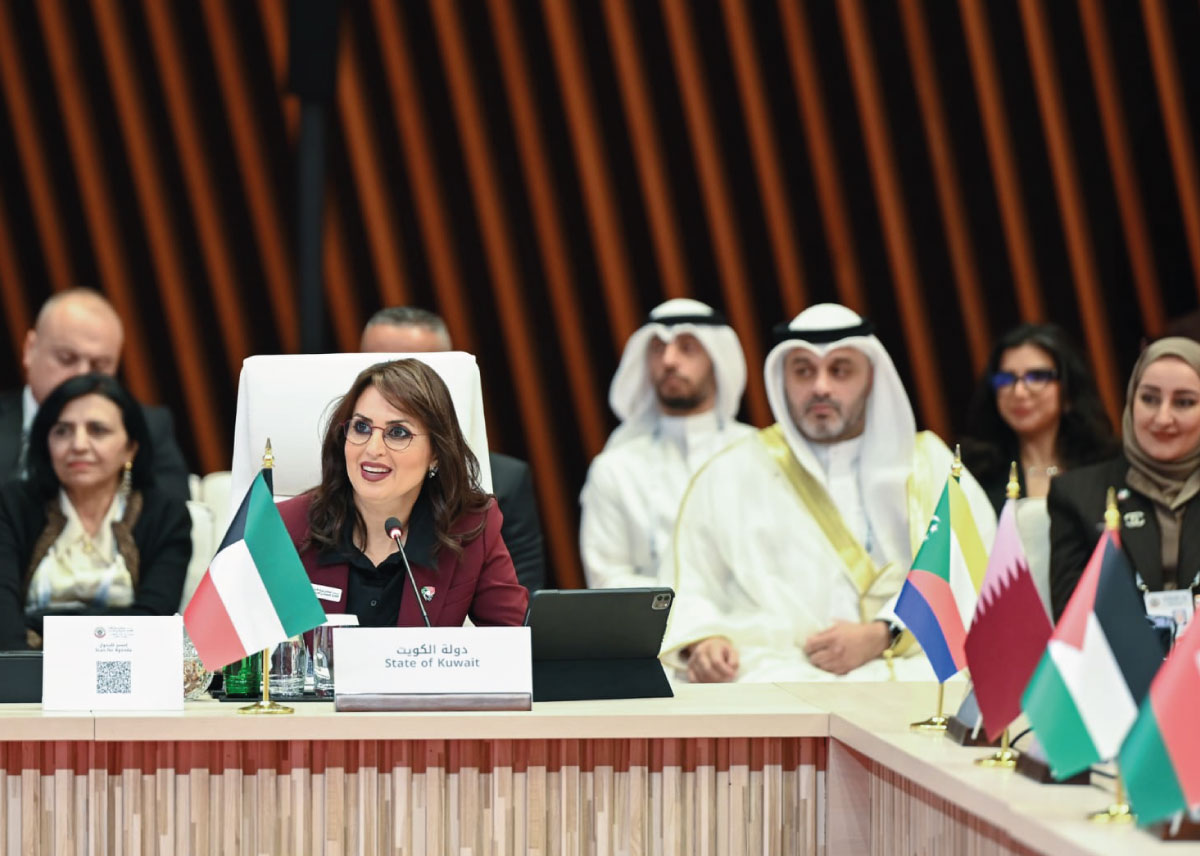
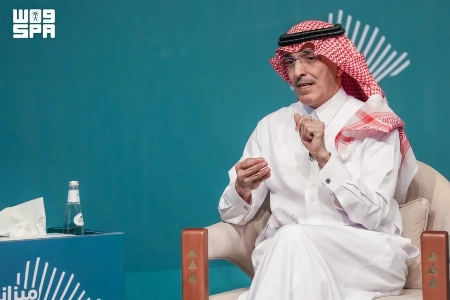 Photo: SPA




.jpg?w=1920&q=100)