

Saudi Arabia’s Ministry of Municipalities and Housing has announced plans to deliver 80,000 housing units and developed residential plots in 2027, as part of efforts to expand housing availability and improve living conditions across the Kingdom. The targets form part of a wider development programme focused on residential communities, public spaces, road infrastructure and environmental sustainability.
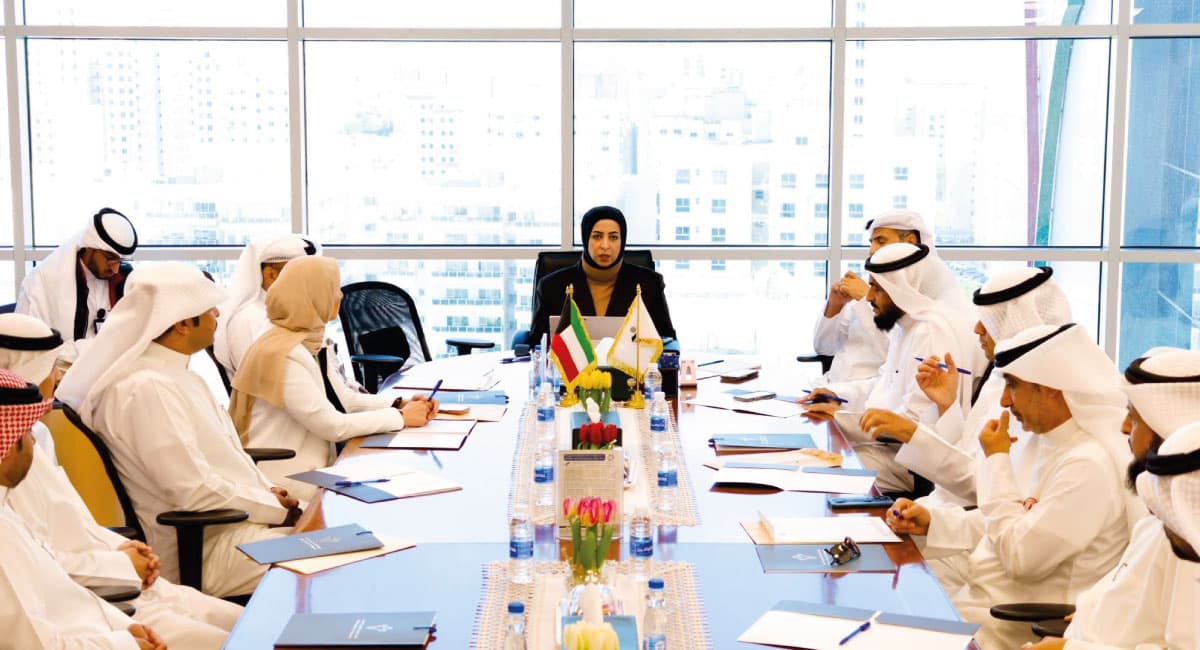
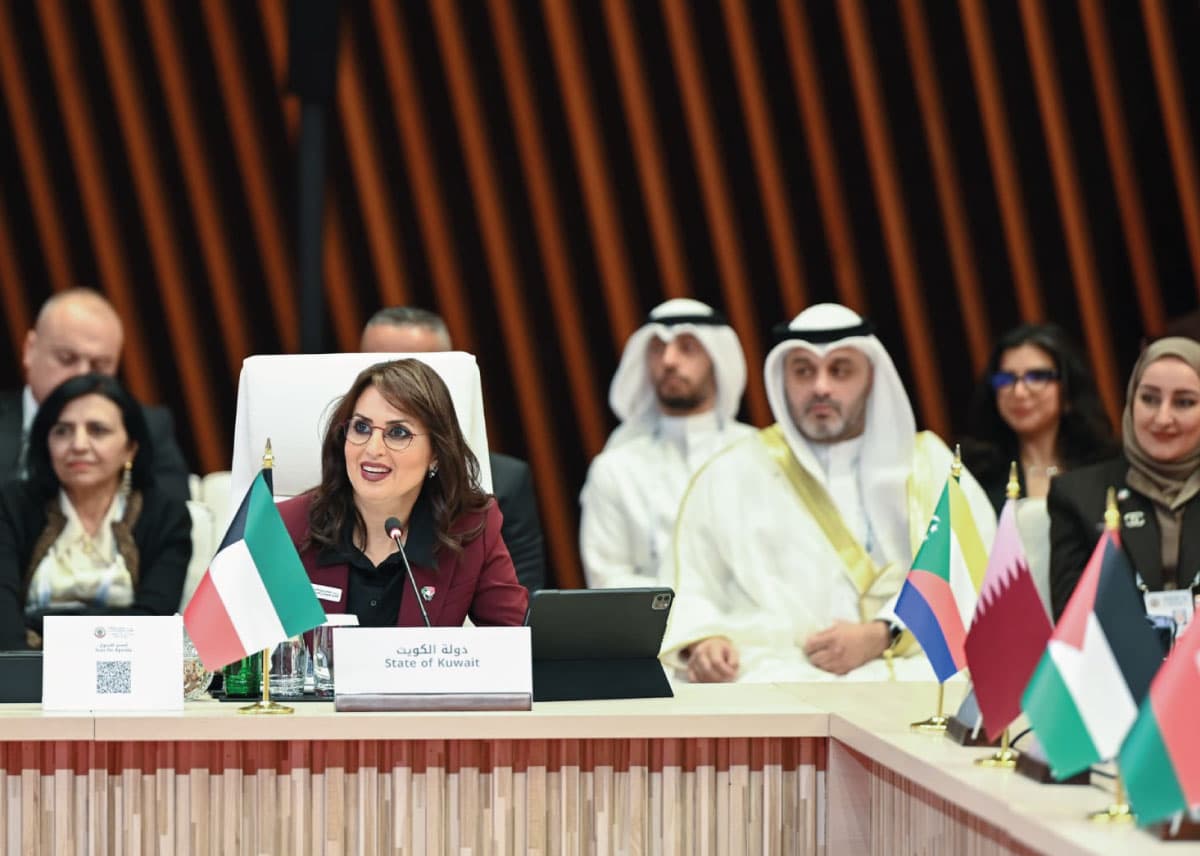
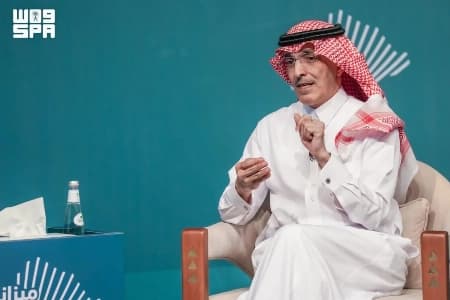
Ministry spokesperson Ahmed Al-Dhafiri said the government is working with local and international property developers to increase housing supply and provide more options for families. He also highlighted progress in urban development, including improved access to public spaces, new parks, extensive tree planting and initiatives designed to make Saudi cities more attractive and environmentally sustainable.
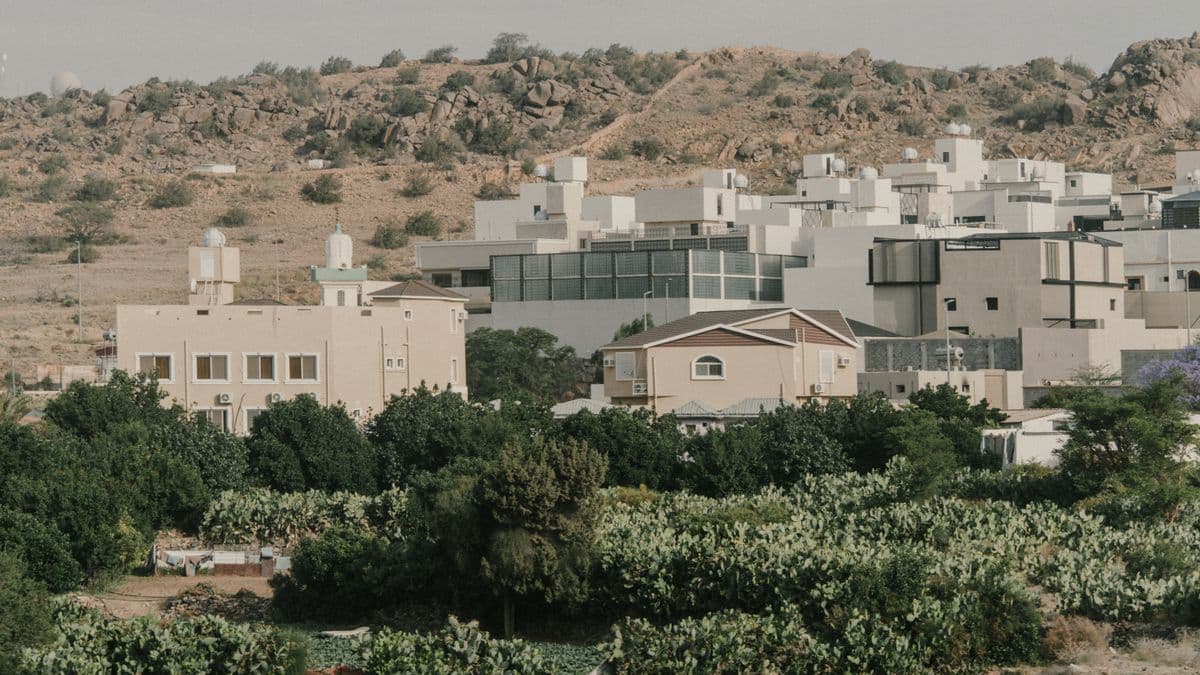
The ministry’s 2027 housing target covers a combined total of 80,000 residential units and developed housing plots. The initiative aims to expand the range of available housing options while supporting stability in the property market.
Al-Dhafiri said cooperation with real estate developers is central to increasing residential supply. Partnerships with domestic and international companies are intended to diversify housing projects and respond to the needs of families seeking suitable accommodation.
The ministry is also continuing programmes designed to improve housing accessibility for vulnerable households. During 2026, more than 25,000 families from the most vulnerable groups were enabled to secure adequate housing, according to the spokesperson.
These efforts involve cooperation with private businesses and nonprofit organisations to develop housing solutions and strengthen family stability. Al-Dhafiri said supporting households and improving residential opportunities remain important components of Saudi Arabia’s national development priorities.
Alongside housing expansion, the ministry has reported progress in improving access to public facilities. According to Al-Dhafiri, 77 percent of residents can now reach public spaces within an 800-metre radius.
Urban development initiatives include waterfront improvements in Jeddah, Al-Khobar and Jazan, providing additional areas for walking, recreation, sporting activities and social gatherings.
The ministry has also expanded neighbourhood parks and green spaces to make recreational facilities more accessible to residential communities. By the end of September 2026, a total of 137 parks had been completed, with further projects continuing across the Kingdom.
Tree planting has formed another important part of the urban improvement programme. Approximately 5.8 million trees were planted during 2025 and 2026 to increase vegetation coverage and support environmental sustainability.
Al-Dhafiri said the expansion of green spaces is intended to improve the urban environment while providing residents with more opportunities for outdoor activities close to their homes.
The ministry is also implementing environmental protection measures aimed at improving waste management and reducing pollution. These efforts include closing 115 unauthorised waste disposal sites across the Kingdom.
Additional initiatives focus on diverting municipal waste and construction and demolition materials away from landfills. The measures are intended to encourage recycling, reduce environmental damage and improve public cleanliness.
According to Al-Dhafiri, developing a more effective waste management system is an important part of maintaining sustainable cities and improving municipal services for residents.
Road infrastructure will also receive attention under the ministry’s 2027 development targets. The government aims to raise the main roads quality index to 68.8 percent through expanded maintenance and rehabilitation programmes.
These improvements are intended to enhance road conditions and support more efficient movement within cities. Maintenance projects will form part of broader municipal efforts to improve transport infrastructure and public safety.
The ministry has also established a target of reducing the visual pollution index to 73 in priority locations and major cities. Field inspections and smart monitoring technologies will be used to identify and address issues affecting the appearance and quality of urban environments.
Improving emergency preparedness is another priority. The ministry plans to increase the readiness of municipal emergency and crisis centres to 80 percent through the use of digital platforms and improved response capabilities.
The initiatives are designed to strengthen coordination during emergencies, support faster responses to incidents and improve the protection of lives and property.
Al-Dhafiri said municipal authorities will continue upgrading essential services and public infrastructure while maintaining a focus on the practical needs of residents.
He emphasised that expanding housing choices, developing neighbourhood facilities and improving road safety are all connected to the broader objective of raising living standards.
The ministry also intends to strengthen cooperation between government institutions, private developers and nonprofit organisations to support the delivery of housing and urban development projects.
Al-Dhafiri said the progress achieved so far demonstrates the importance of coordinated investment in housing, municipal infrastructure and environmental protection.
The 2027 development programme forms part of Saudi Arabia’s continuing efforts to achieve the objectives of Vision 2030 by creating more accessible residential communities, improving urban services and promoting sustainable development.
Source: saudigazette
 Photo: saudigazette